
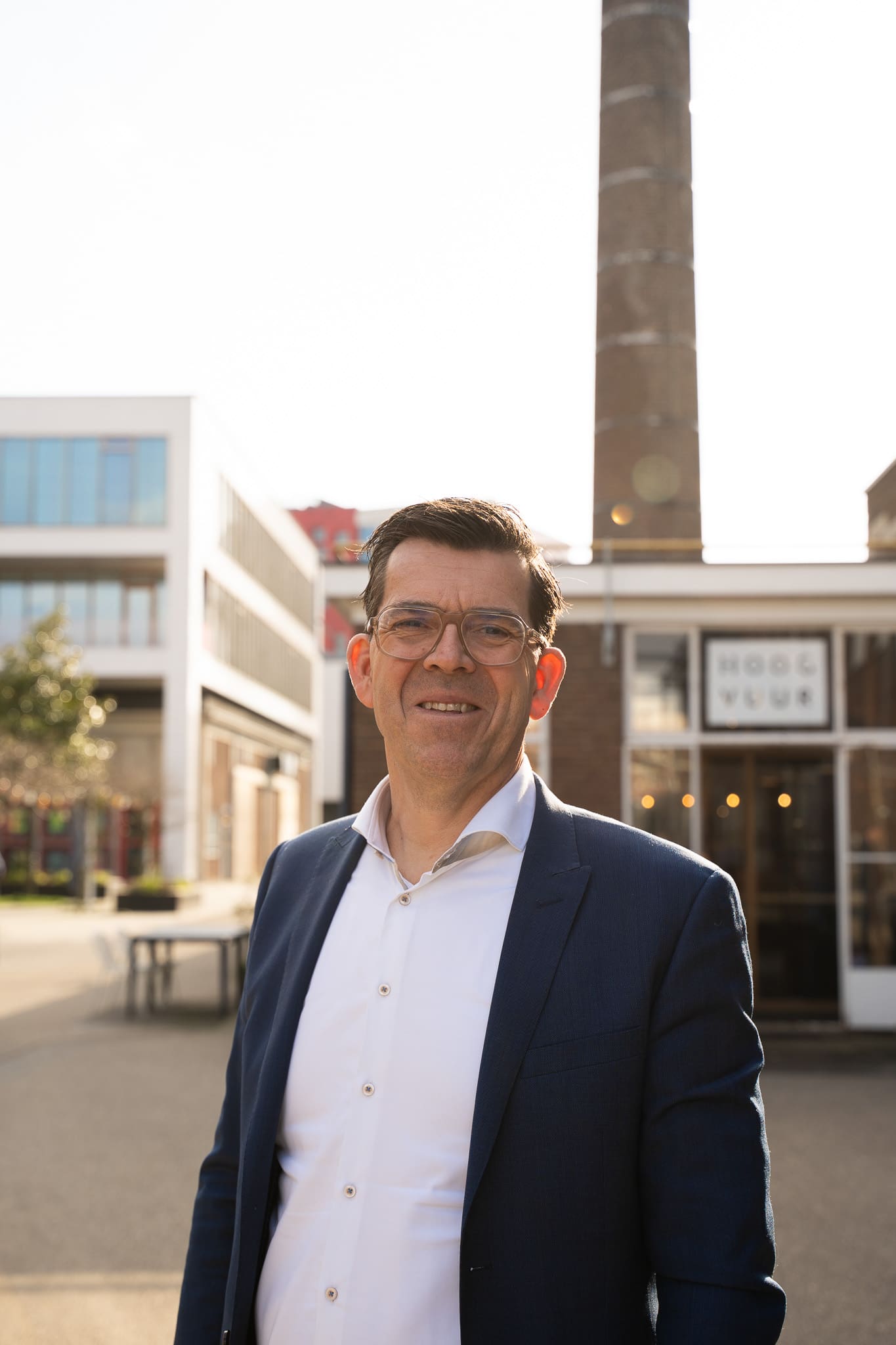
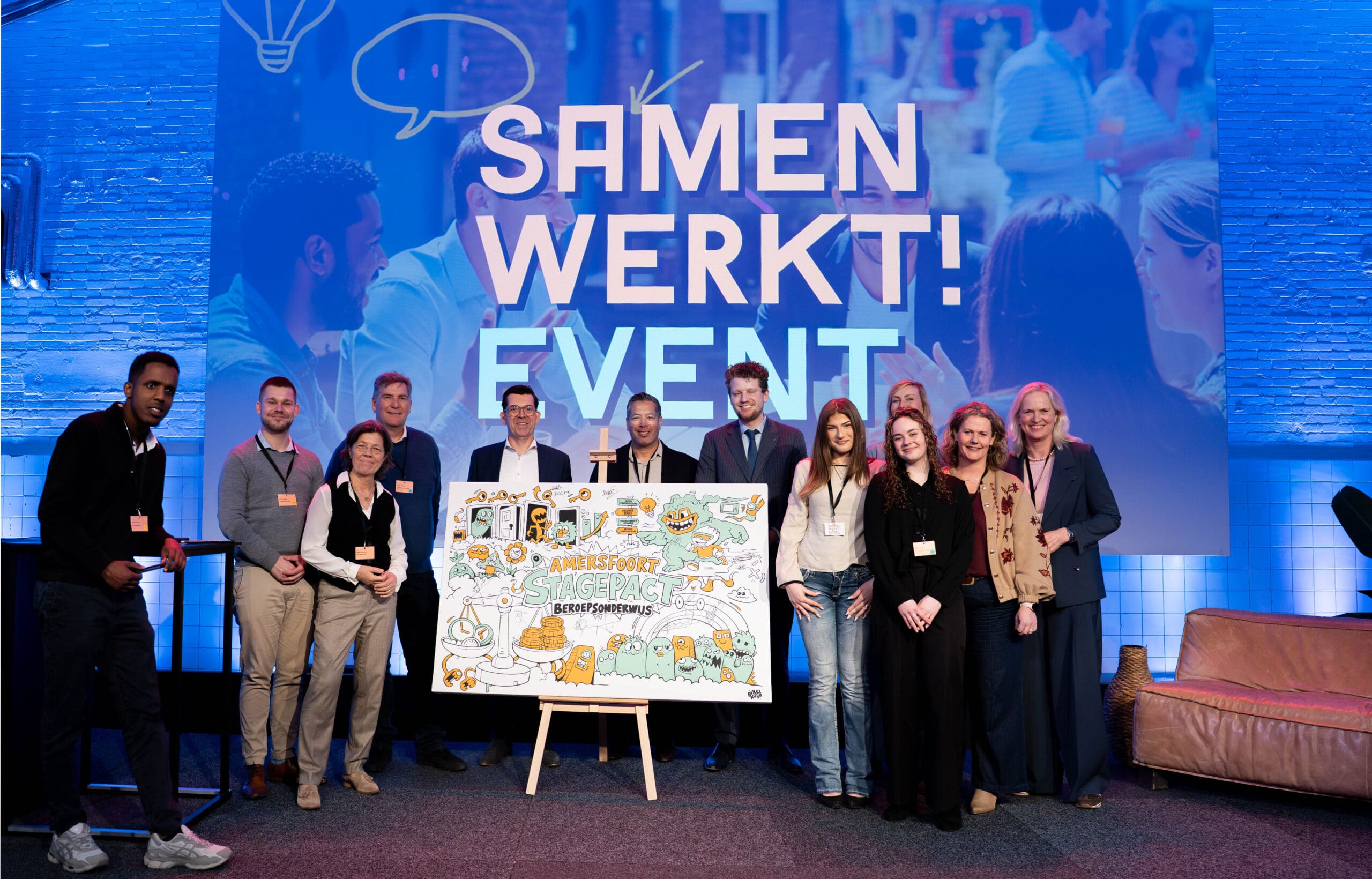
More than 230 people from the region gathered at the Prodent factory on February 26, 2026. Employers, educational institutions, government officials, and social partners were in attendance. The “Samen Werkt!” event focused on labor shortages, career progression, and opportunities, and an agreement was reached: the Amersfoort Vocational Education Internship Pact was signed by VAB, the City of Amersfoort, MBO Amersfoort, ROC Midden Nederland, and SBB.
Michel Labij, a board member at ROC Midden Nederland, was among those who signed. For him, the pact serves as a catalyst—not only for internships but for a broader movement centered on work and learning.
The Starting Point “For
me, ‘Samen Werkt!’ is the starting point of a movement centered on work and learning,” says Labij. “As a collaborative effort, centered on people’s talents.” He believes the Netherlands has achieved a great deal: a strong economy, innovative companies, and a labor market that functions well at its core.
But precisely because the region wants to move forward, the downside must also be acknowledged. Not everyone gets a fair chance to participate. “That is the biggest flaw in our labor market.” The ambition: to move from “functioning well” to “functioning even better,” with real opportunities for talent development.
Harnessing talent starts with equal opportunities
. Labij outlines three areas where he would like to see action. The first is perhaps the most fundamental: make equality a practical reality. Age, religion, race, disability, neurodiversity—none of these should be a reason to miss out on talent. He cites an example that causes immediate friction in practice: students in vocational education, entry-level programs, and Level 2 programs are still too often not offered internships.
And it’s not just about young people. People who are currently on the sidelines can also participate fully with targeted support. “With help from employers and through job-to-job mobility, people receiving benefits can get to work—or could have continued to do so.”
From Ad Hoc Solutions to Strategic Planning
The second approach is a clear call to employers: adopt integrated, strategic workforce planning. Don’t just react to job openings; look ahead: what skills do you need, what talent do you already have in-house, and how can you help them continue to develop? This includes “lifelong development”—not as a project, but as an integral part of your workforce policy.
Labij points to regional support that’s already in place, such as regional job centers, Maak Je Stap, and the Regional Talent Fund. The goal: more career advancement, less dropout, and better matches.
Learning rights that are
equitable
The third line of action lies with policymakers. Labij wants learning rights in accredited, certifying programs to be made available to people without a basic qualification, up to and including Level 5 (Associate degree). “We spend billions on learning and development, but that funding mainly goes to Level 6 and higher. Everyone deserves equal access to learning.”
Fewer silos, more of a collaborative approach
According to Labij, the biggest challenge lies not in the number of partners, but in the way they work. “All those target groups ultimately end up with the same employer. So we must also work from an integrated employer service perspective, not each on our own.” Moreover, this is not just a non-binding ambition: socially and economically, the region cannot afford to have talent fail to find or retain a sustainable position.
Invitation to Employers
In two years, Labij hopes that every employer in the Amersfoort labor market region will be a training partner: from vocational education (pro/vso) through higher professional education (HBO). “This explicitly includes practical education, ‘Entree’ programs, and Level 2 programs, regardless of background or disability.”
Want to participate, ask questions, or join the movement? Contact us at [email protected]

More Entrepreneur Stories

Uncategorized
Business Travel Accommodations
Are you looking for a place to stay for business in Amersfoort?


Education
Young talent needs room to grow
How can we give young talent the opportunity today to make a difference tomorrow?
Entrepreneurship
HydroLogic: Smart Water Management
“HydroLogic is doing everything it can to prevent ‘Amersfoort by the Sea.’”
Education
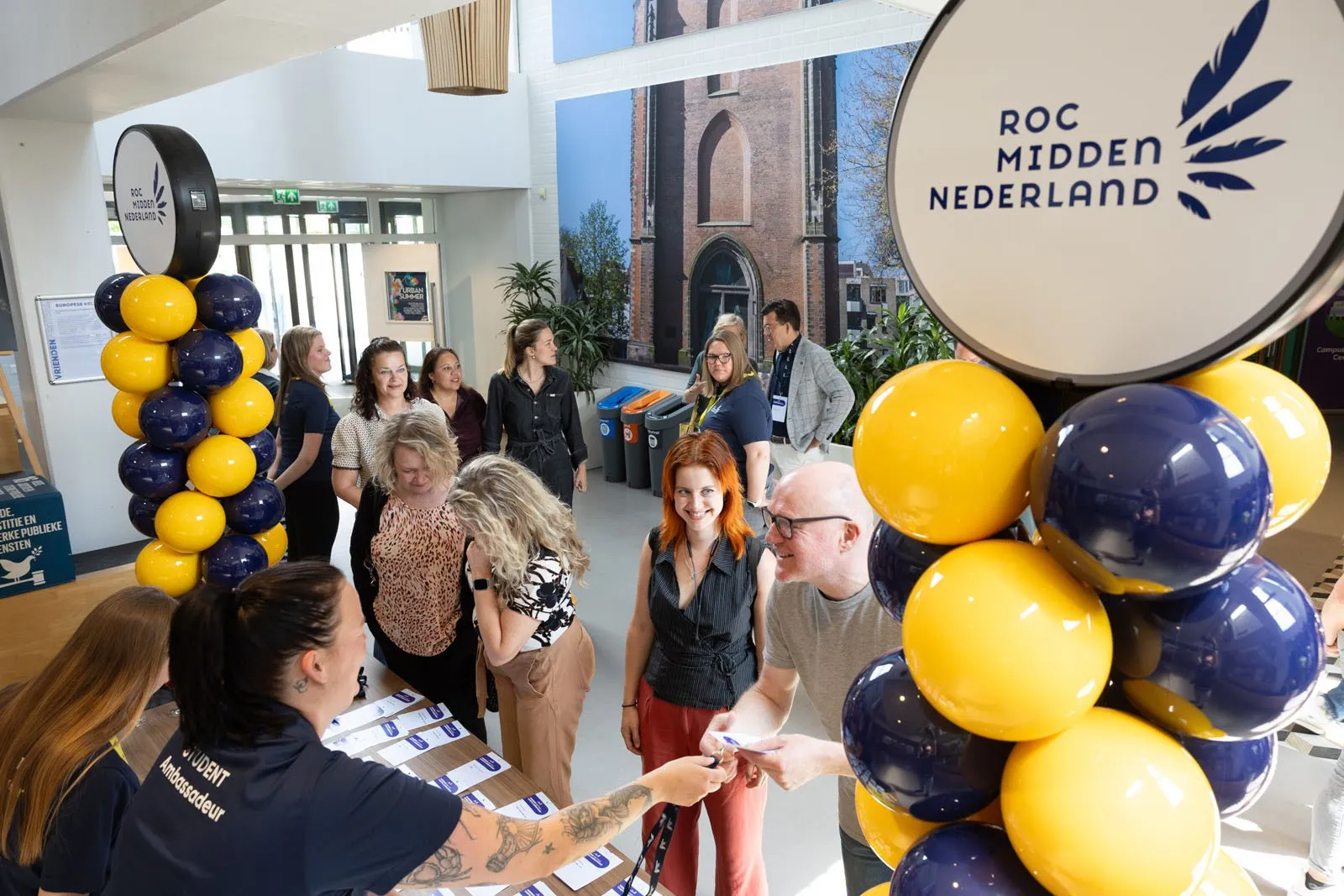
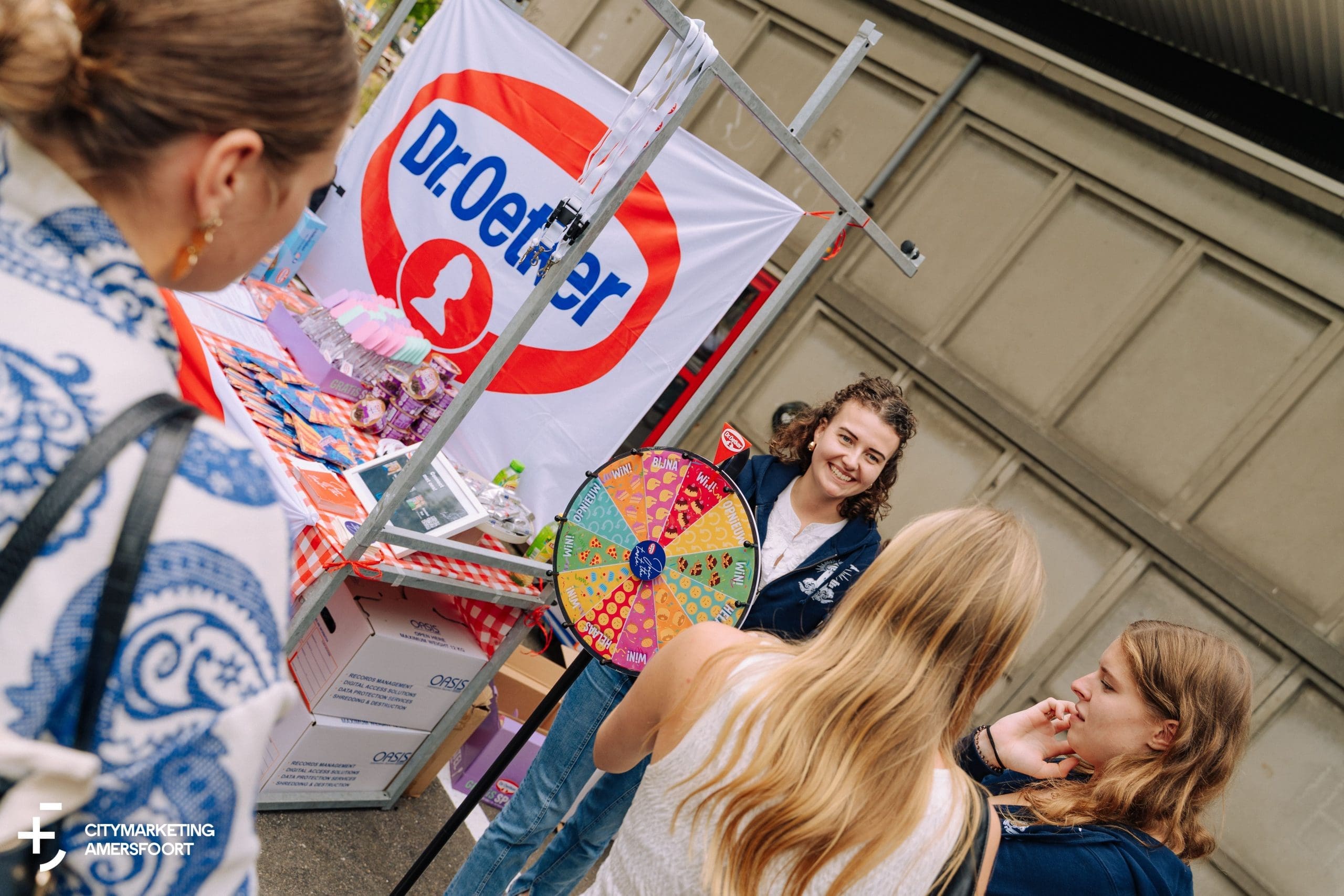
Amersfoort Welcomes New Students and Builds Connections with the Business Community
During KEI-Start Amersfoort, new students explore Amersfoort, meet local businesses, and lay the foundation for their connection to the city.