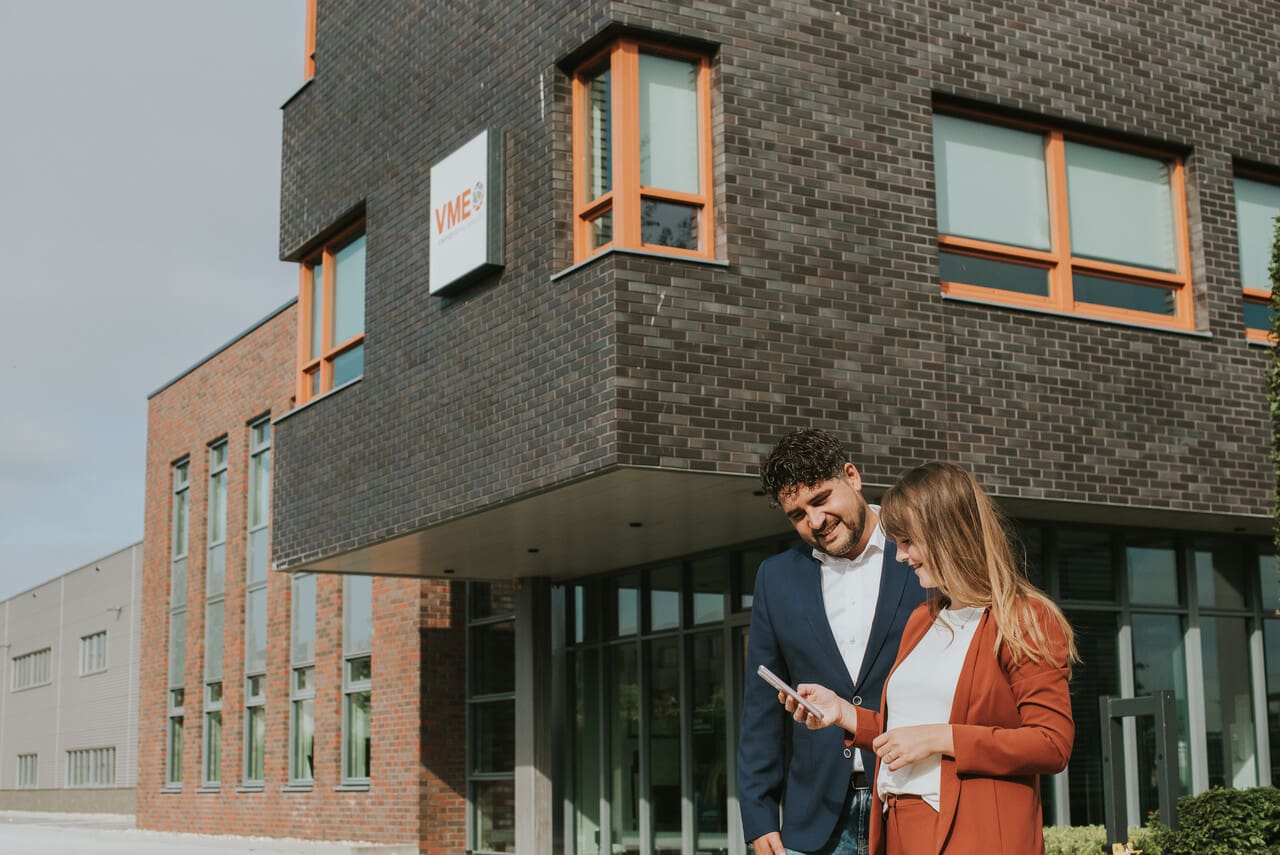

We work for a wide range of clients in the private and public sectors. From civil engineering, housing associations, and architectural firms to the (oil and gas) industry, shipping, and the installation sector. “We also work with Rijkswaterstaat, provinces, municipalities, water boards, and the rail industry,” says Bob Wind, branch manager in Amersfoort.
Bob explains, “We are currently working on creating a 3D city model of the Liendert neighborhood in Amersfoort. This project is called the Liendert Interactive Visual Experience (LIVE). In this project, we’re collaborating with AeroVision, the City of Amersfoort, RIVM, NEO, StrateGis, HydroLogic, and the Future City Foundation to test and further develop the applicability of Digital Twins. The goal is to gain more insight into the design of public spaces.”

If the project in Liendert proves successful, a similar project-based approach will also be implemented in other cities. “This is because cities will face major societal challenges in the coming years: a growing housing shortage; the energy transition requires a radical shift toward a society that derives its energy from sustainable sources; and, due to climate change, cities will also face more frequent periods of extreme heat, drought, and precipitation.”

“In many cities, the transportation system is also reaching its limits. What all these challenges have in common is that they have a major impact on land-use planning and the living environment. With a 3D city model, the government can more easily develop and compare scenarios, which provides information to support decision-making. This leads to a more efficient decision-making and implementation process for government agencies,” said Bob Wind.

More Entrepreneur Stories

Uncategorized
Business Travel Accommodations
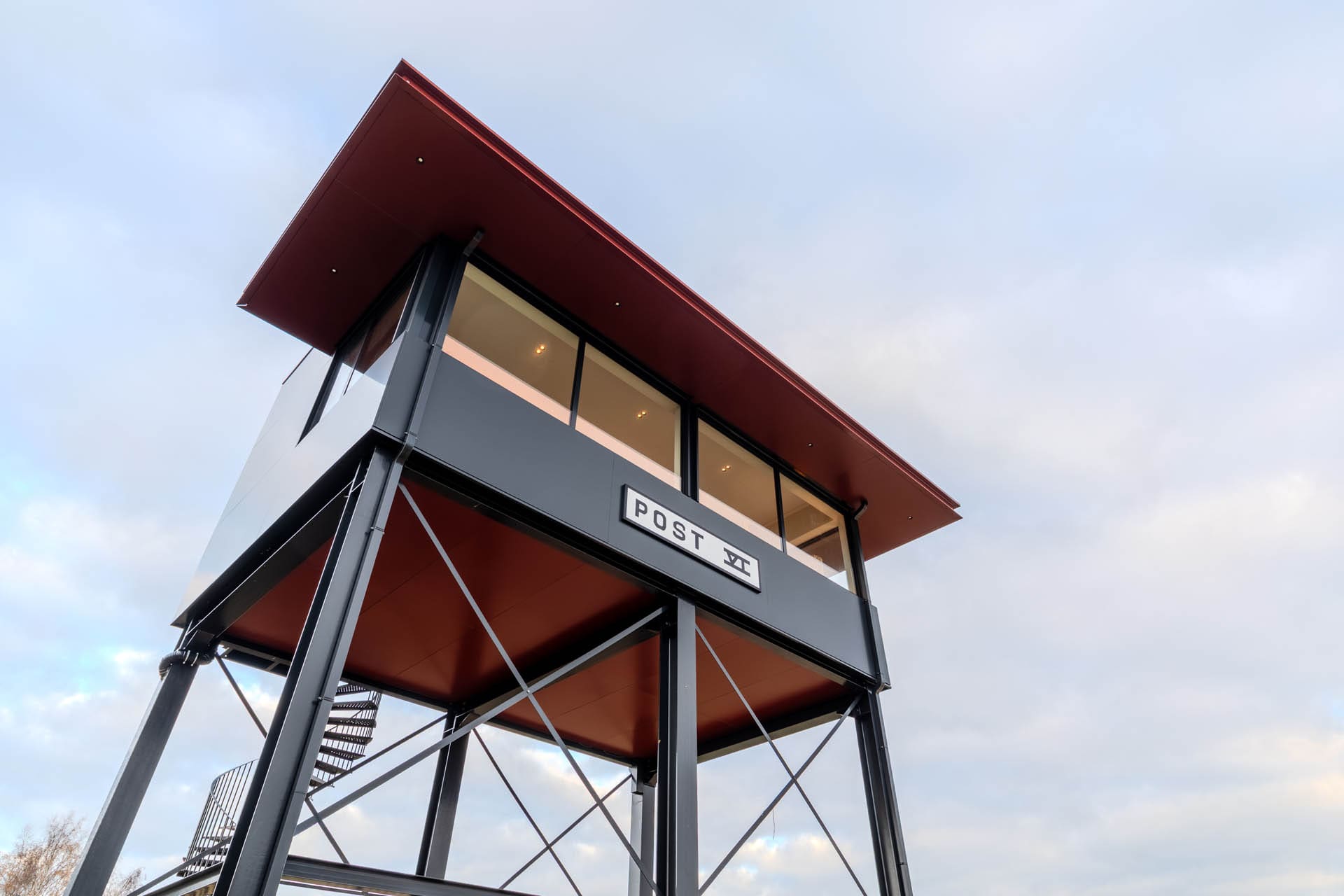
Are you looking for a place to stay for business in Amersfoort?

Education
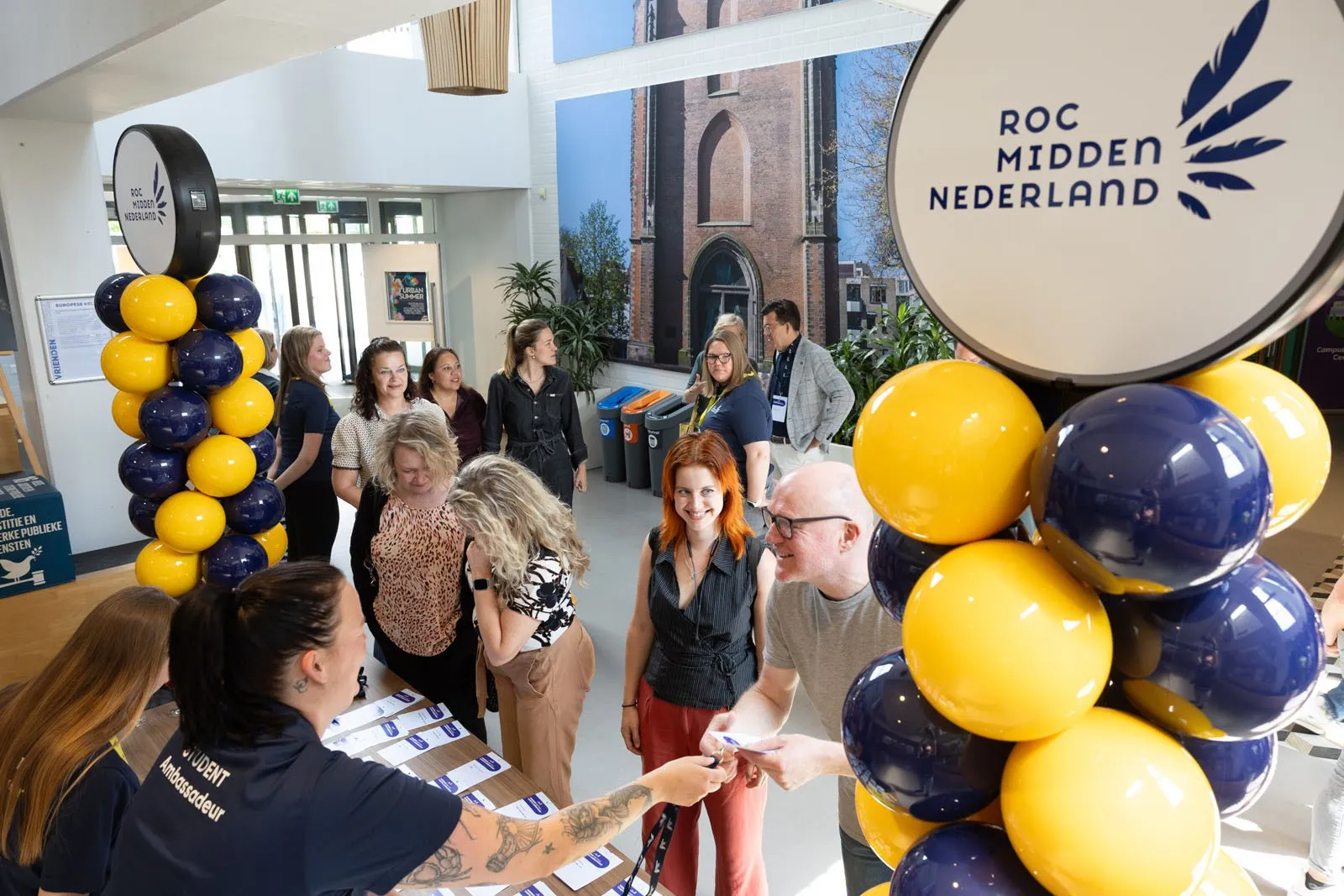
Young talent needs room to grow
How can we give young talent the opportunity today to make a difference tomorrow?
Entrepreneurship
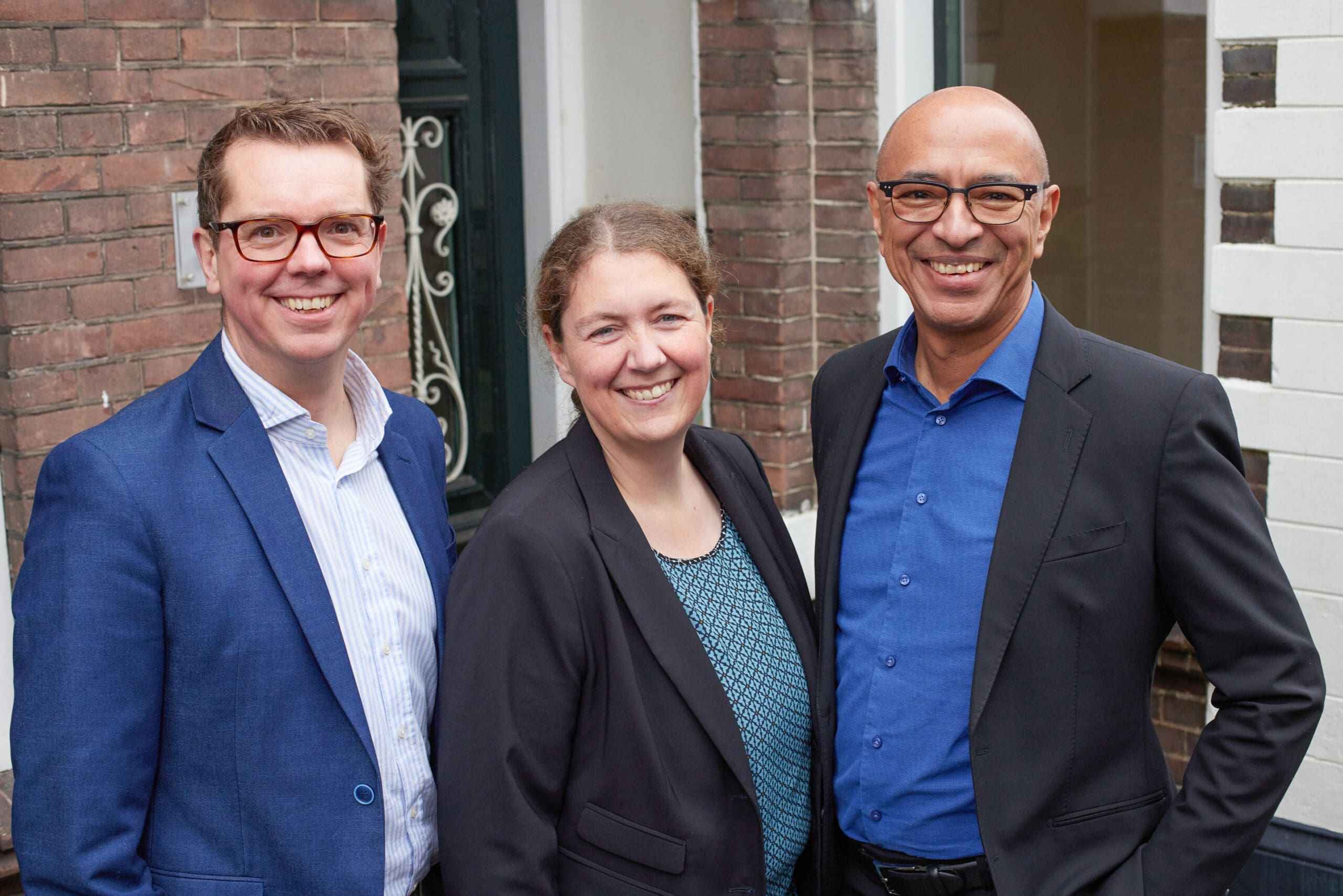
HydroLogic: Smart Water Management
“HydroLogic is doing everything it can to prevent ‘Amersfoort by the Sea.’”
Education
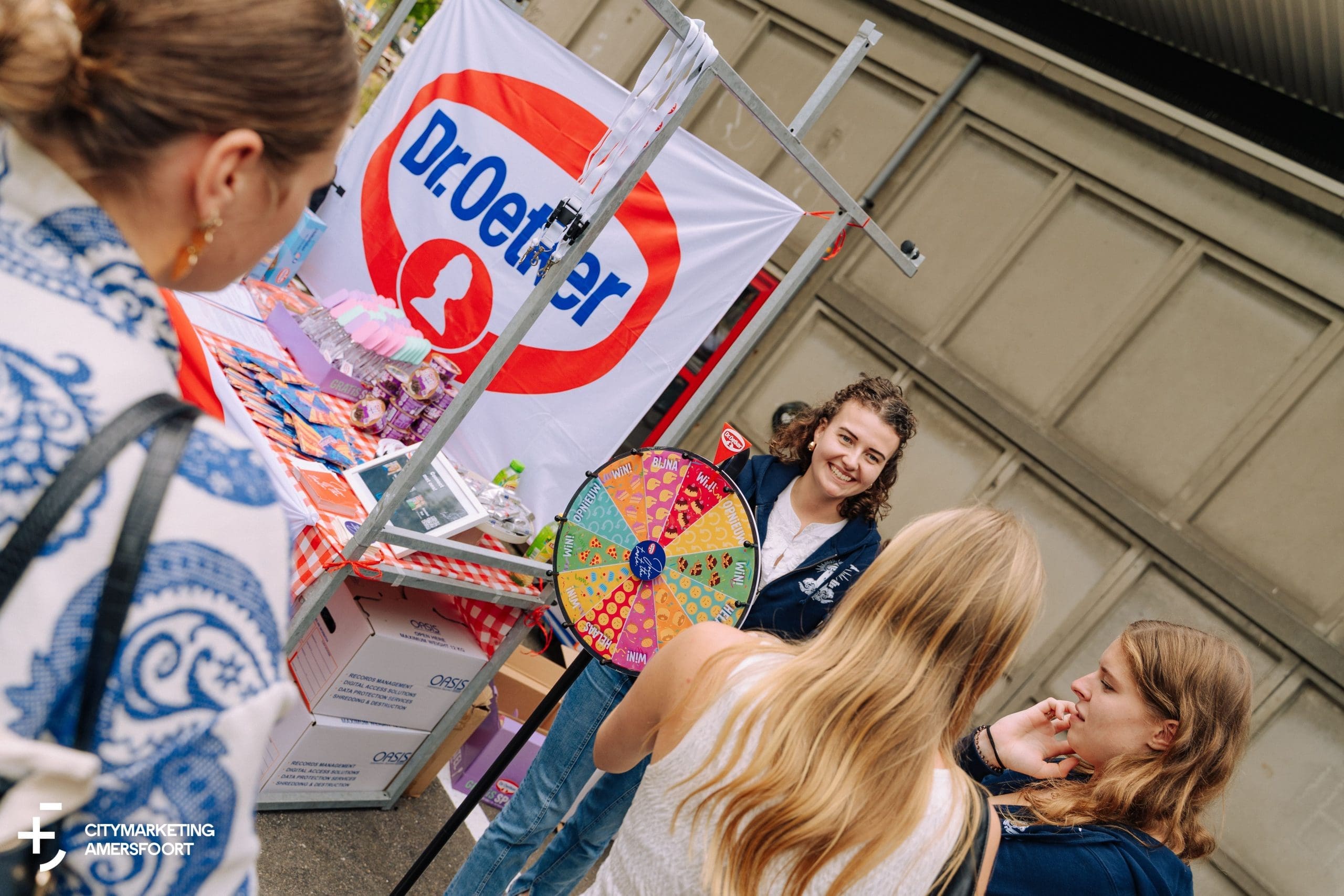
Amersfoort Welcomes New Students and Builds Connections with the Business Community
During KEI-Start Amersfoort, new students explore Amersfoort, meet local businesses, and lay the foundation for their connection to the city.