
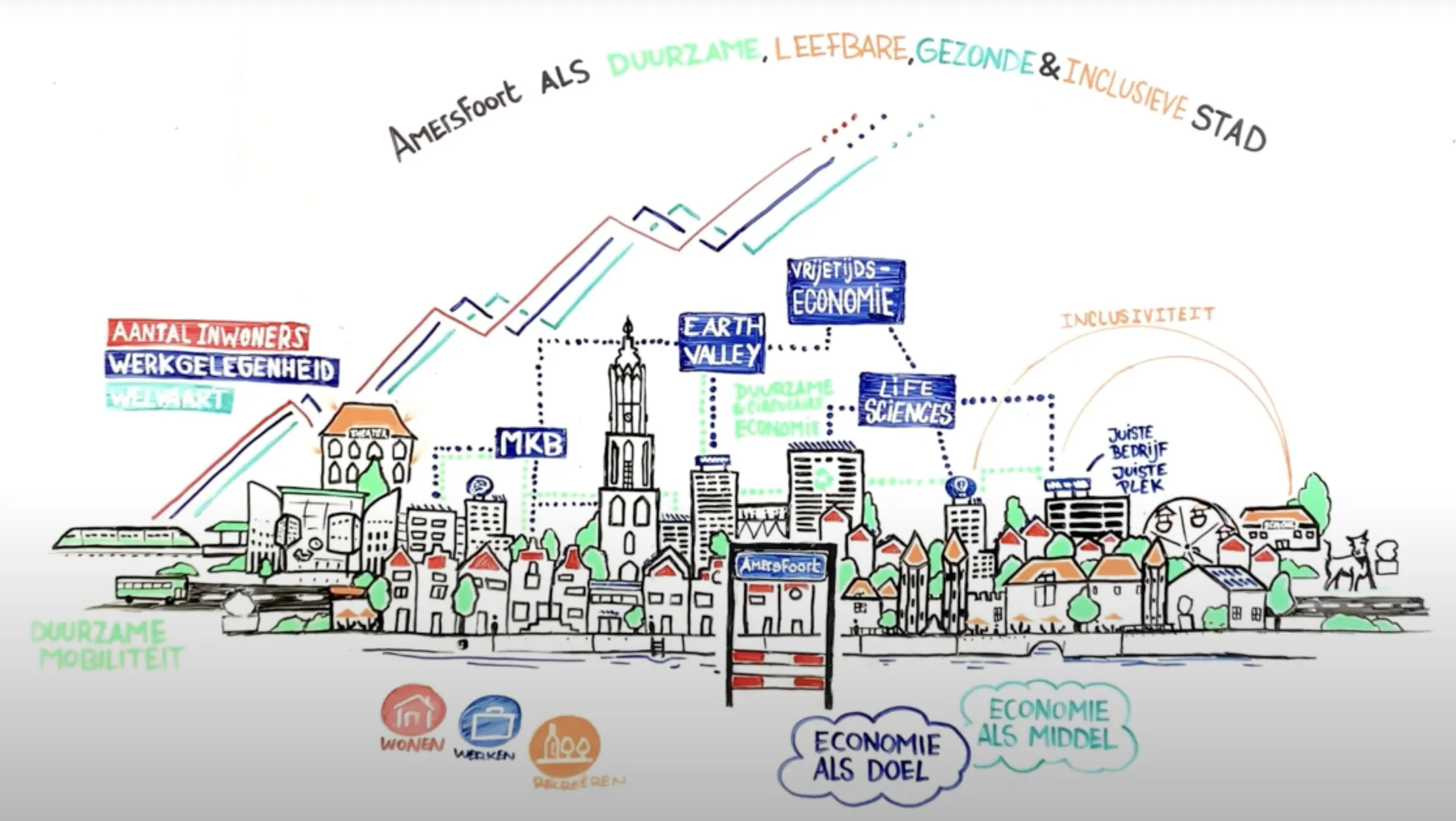
In the coming years, the City of Amersfoort will be working to build a sustainable, livable, healthy, and inclusive city. Check out this animation to see what the City of Amersfoort plans to do from an economic perspective and how it intends to achieve these goals.
Hi Marco, what a great video! Why did you have this animation made?
“Thank you! With this video, we want to clearly convey that we view the economy not only as an end in itself, but also as a means to an end. Of course, we want to create sufficient employment opportunities and space for work. At the same time, we need to show how the economy can contribute to a healthy, livable, sustainable, and inclusive city. This animation succinctly illustrates our key ambitions and priorities.”
The ambitions and opportunities mentioned have been met with positive reactions. Where do the concrete challenges and dilemmas lie?
“The biggest challenge lies in making smart and efficient use of the available space. In Amersfoort, however, we’re dealing with limited space. We can’t keep expanding indefinitely and build over all the green spaces surrounding the city. Nevertheless, we are aware of the task ahead of us in the areas of housing, green spaces, and mobility. That is why we must make the right choices about which functions are best suited to which locations. As we put it: the right business in the right place.”
Could you elaborate a bit more on that ambition?
“When you ask entrepreneurs today, ‘What keeps you up at night?’, the answer is usually labor shortages, rising energy and construction costs, bureaucracy, unclear regulations, and a lack of space for business locations. You don’t solve the latter by making the use of space completely flexible without any rules. You solve it by establishing clear rules and specifying what fits best where. For example: during the crisis, as a municipality, we allowed many types of developments on industrial parks. The main reason for this was to combat vacancy rates. It now appears that much of that space is being used for activities that would also fit perfectly in mixed-use areas, such as rail zones, shopping districts, or residential neighborhoods. As a result, there is no space available on industrial parks for businesses that are difficult to integrate with other uses—for example, due to noise pollution, logistics, or other nuisances. When it comes to the right business in the right place, we try to identify which locations are most suitable for all kinds of businesses with different functions.”
Do you want to facilitate all types of businesses in this regard?
“This question, in particular, is about steering economic development as a means rather than an end. Only in this way can a city achieve its objectives. Our guiding principle is to stimulate and facilitate, in particular, economic activity that is already rooted in Amersfoort and also contributes to the city—for example, because these businesses employ many local workers, contribute to broad prosperity, and align well with our circular economy ambitions. For this reason, we collaborate extensively with companies, educational and research institutions in the healthcare sector, the geodata companies of Earth Valley, the leisure economy, and small and medium-sized enterprises (SMEs) or family-owned businesses.”
When will the mission be considered a success?
“Our primary objective is to achieve a healthy work-life balance. Simply put, this means we aim for 850 suitable jobs per 1,000 working-age residents. In principle, everyone living in Amersfoort should be able to find a fulfilling, suitable job within cycling distance. Of course, the reverse is also true: this way, Amersfoort-based entrepreneurs can fill a large portion of their job openings locally. The ultimate result is an attractive city where residents and business owners form a sustainable, livable, healthy, and inclusive community. If we can make a concrete contribution to this through economic development, we’ll be very satisfied!”

More Entrepreneur Stories
Uncategorized
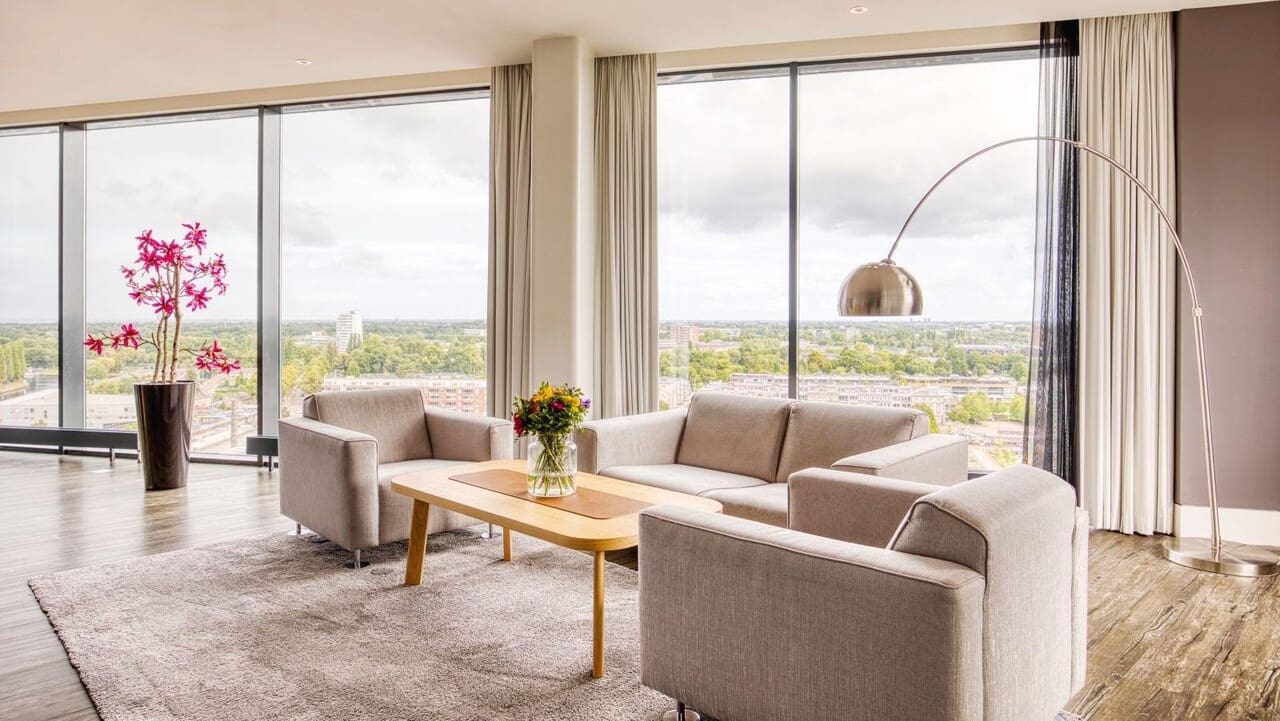
Business Travel Accommodations
Are you looking for a place to stay for business in Amersfoort?

Education
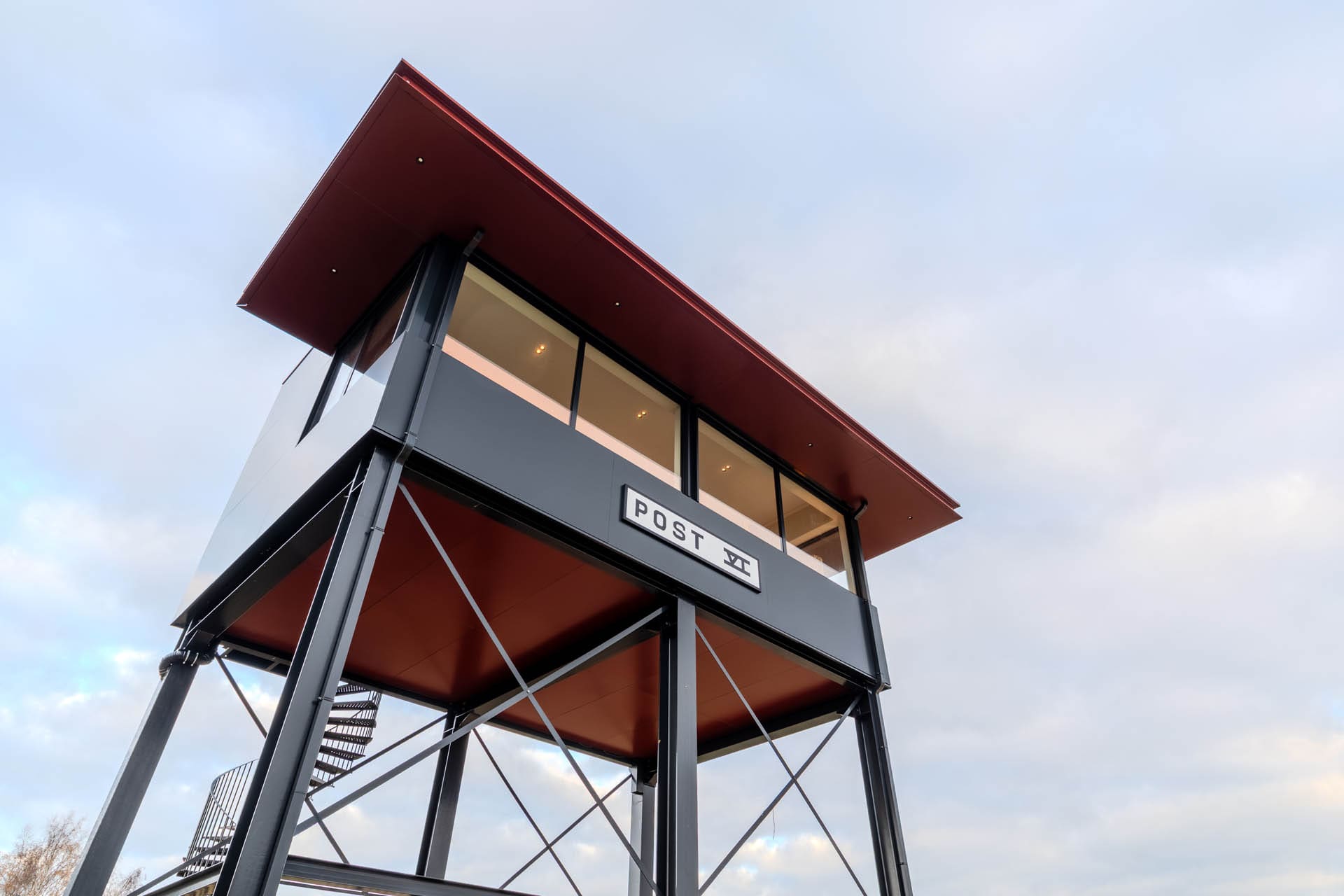
Young talent needs room to grow
How can we give young talent the opportunity today to make a difference tomorrow?
Entrepreneurship
HydroLogic: Smart Water Management
“HydroLogic is doing everything it can to prevent ‘Amersfoort by the Sea.’”
Education
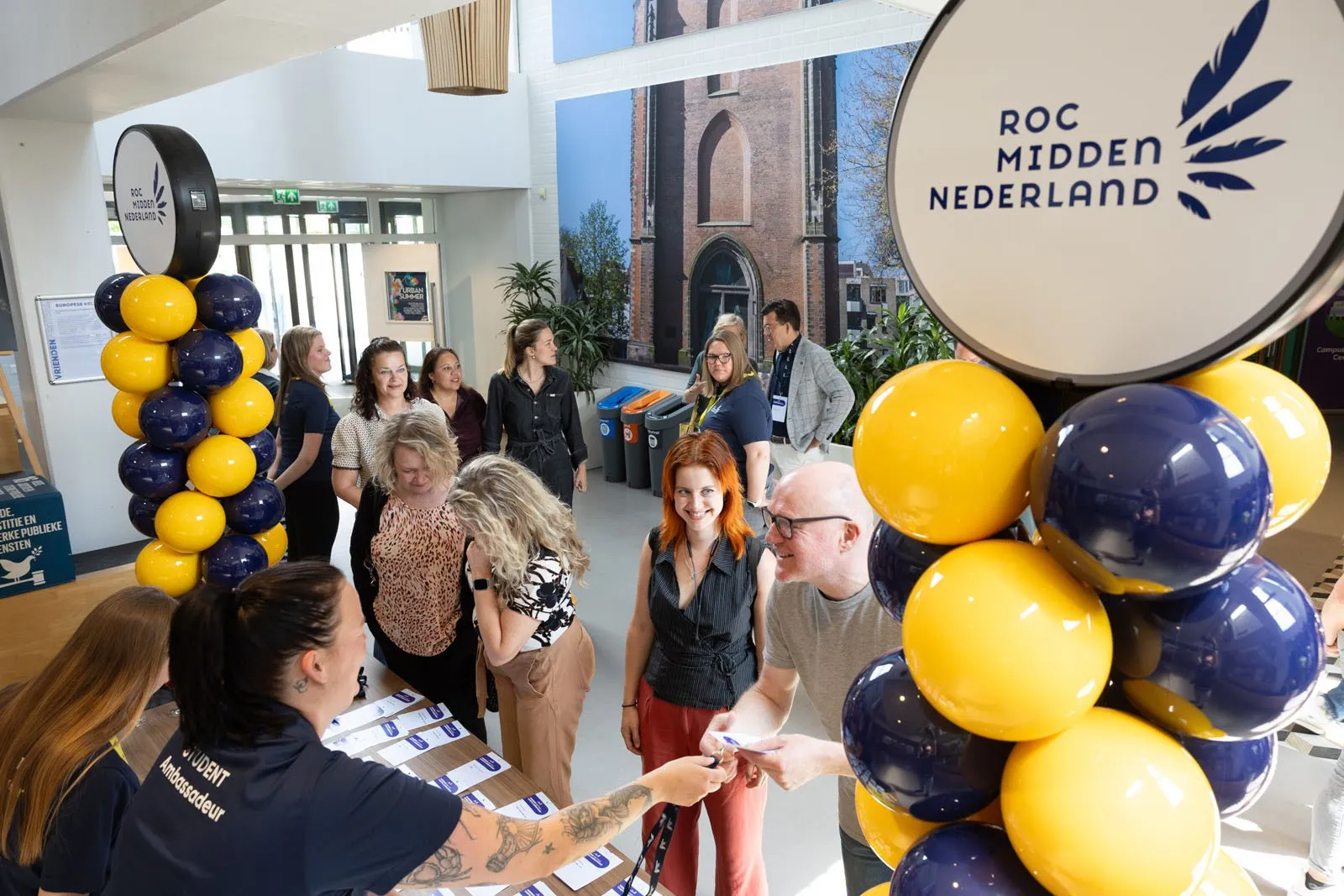
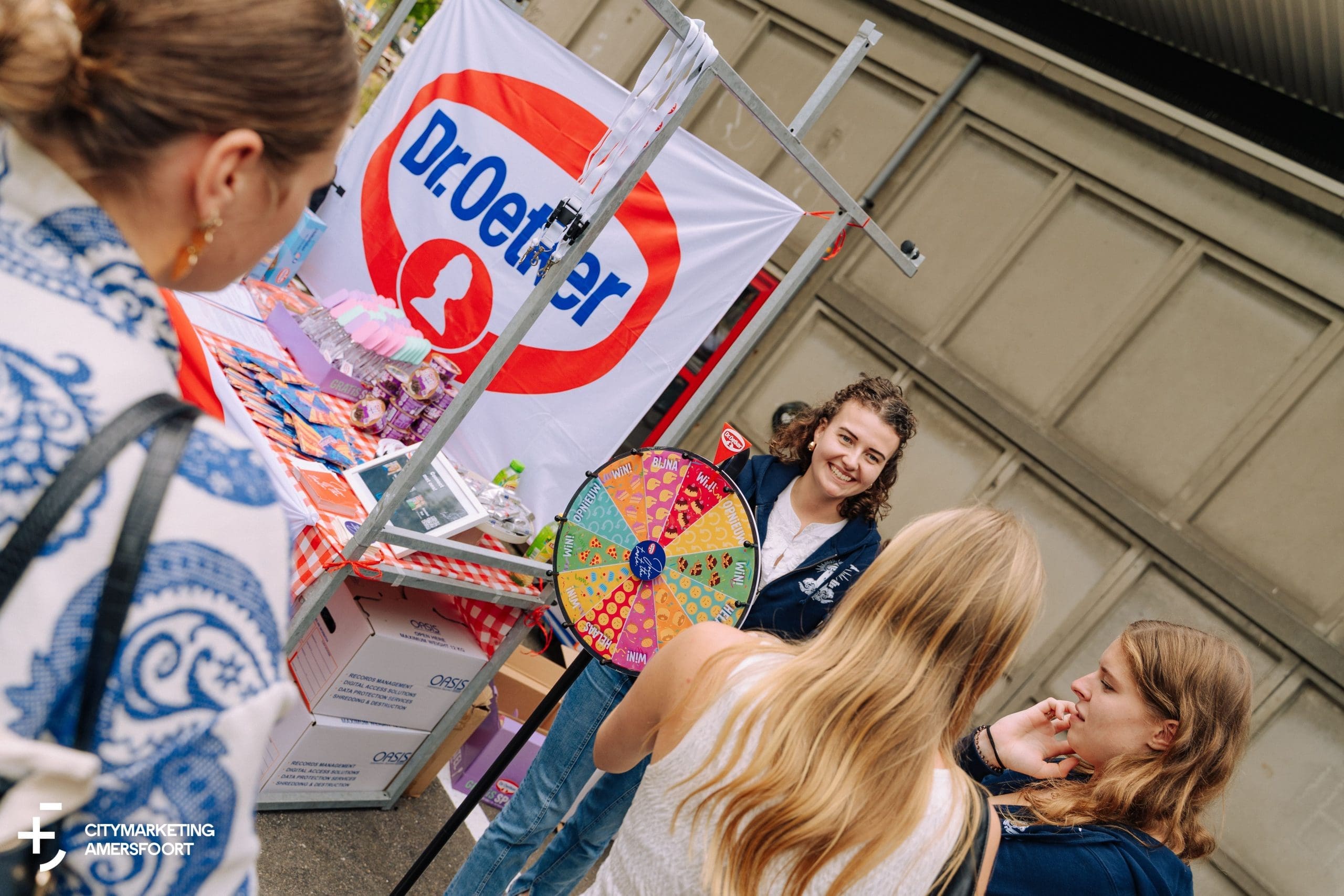
Amersfoort Welcomes New Students and Builds Connections with the Business Community
During KEI-Start Amersfoort, new students explore Amersfoort, meet local businesses, and lay the foundation for their connection to the city.