
Why is Stater doing so well in Amersfoort?
“It’s remarkable that we’ve been around as an organization for 25 years, that we’ve maintained such a strong market position for so long, that we’ve undergone a number of rapid transformations, and that we’ve been able to keep pace with technological advancements. And what I also find remarkable is that, as a company that has since expanded to an international scale, we want to keep Amersfoort as our home base. This is where our roots lie; this city is part of our DNA. One of our former directors lives in a building that used to house one of Stater’s offices. Our roots are deep; Stater is Amersfoort, period.”
“From the very beginning, we’ve had a good relationship with the city government. The people who work there are business-friendly and understand the challenges entrepreneurs face. They take the initiative to improve our collaboration and respond quickly. In addition, many of our employees are from the Amersfoort region, and we want to instill a sense of company pride in them. So for us, Amersfoort offers a great many advantages.”

Data-driven
“This company, of course, brings tremendous value to employment in the city. If people only came here to sleep, the city wouldn’t feel complete. Something occurs to me, and that is that Stater is growing along with the city. Amersfoort has grown significantly over the past 25 years, and the city is still growing, with great potential in the form of talented young men and women who could work at this company. We’re literally building around Stater. It’s important that people in the neighborhood can work here, and that offers opportunities for Stater. Because one of today’s major challenges is: where do you find your staff?’
Dreuning: “Absolutely, we need to help and support each other in this regard. We do that by contributing to Amersfoort’s appeal as a city through our role as an attractive employer, while Amersfoort does so by creating an attractive living and working environment.”
Bolsius: “But Stater is also deeply involved in the local community. It sponsors the VathorstRun and has supported Matchpoint for years—the foundation that facilitated corporate social responsibility in Amersfoort. That’s important, because it’s how you make things happen in the community.”
Dreuning: “We genuinely believe it’s important to give back to the community where we operate. It’s a small effort for us, but it can make a big difference. For example, we also do a lot for and with JINC, an organization that helps young people find their way into the workforce. We always look to Amersfoort first, even when we’re organizing an event. For example, we’re holding our anniversary event for business partners in September at the Prodentfabriek.”
With 25 fruitful years under its belt, Stater deserves to be in the spotlight. The company is the largest independent end-to-end service provider for the mortgage market in Europe and delivers data-driven mortgage services and platforms for more than 40 lenders. With Stater’s support, consumers can securely, quickly, and easily take out and manage their own mortgages. This covers the entire process: from exploring mortgage options to closing the loan—and everything is handled digitally.
This makes Stater a major player in the financial market, even though the company doesn’t take center stage. Bolsius has noticed this as well. He asks Dreuning about it:
Suppose I’m a consumer and I go to a bank to get a mortgage; I don’t come across the word Stater. At what point in the process do I interact with you?
Dreuning: “Actually, from the very first moment you land on the login page of a lender’s web portal. We build those for them, just like the accompanying app. And when you log in, you’re taken to the lender’s website—which we also built—and we handle its management. If you call, someone will answer using the lender’s name, but that’s actually a Stater employee you’ll find here at Podium in Vathorst, in our B Tower. We’re behind the scenes, and we like it that way. In all honesty, though, we do need to do something about that. We don’t need to pat ourselves on the back for how good we are, because we think it’s much more important to help our clients succeed. But it doesn’t help our employer brand. We don’t have the image of a fintech company, even though we’re one of the most forward-thinking fintech organizations in our market. We see that our employer brand needs to change, so we’ll have to work on our reputation.”
Bolsius: “So I’ll be seeing your name on sports jerseys soon?”
Dreuning: “Well, we’ve considered the VathorstRun important ever since I started working here. We like to raise our profile locally to attract local talent as well. We’re opening our doors to Vathorst and the city. That’s another reason why I think that local involvement is so important—it makes us more attractive to local talent.”

Stater is a European leader in its industry when it comes to technology adoption. What is the key to this?
Bolsius: “It starts with good training programs and internships. But it’s not always easy. I know there’s a lot of talent out there that we’re not yet reaching or utilizing enough—young people with talents that still need to be honed.”
Dreuning: “I certainly believe that. In the past, we’ve developed initiatives for people who are distanced from the labor market. But digitization is changing our work in such a way that this is becoming more complicated. But I’m convinced that many talented young people with an MBO+ education haven’t yet reached their full potential. Stater can help with that. This is something that’s very close to my heart. I come from a disadvantaged neighborhood; I grew up in Amsterdam-West, which we’d now call a “strength neighborhood.” I ended up at Stater, and I’m incredibly proud of that, but I still notice every day that it’s not easy. I feel a strong connection to the group that’s struggling the most. Because I know from experience that there’s a lot of talent and potential in that group. So it’s good for an organization to facilitate that.”
Bolsius: “What’s completely normal to me isn’t normal for a lot of families. That’s why outside help, motivation, and just lowering that barrier a little bit are so important.”
Dreuning: “There’s a risk of a certain inequality emerging, which is why we’re working with JINC and why we served as ambassadors for Matchpoint.”
Dreuning: “We have to go back to 2018. Back then, I told our shareholder ABN Amro: if you look at how fast technology is advancing, access to talent in particular will become the problem. That’s now an even bigger problem than I thought it would be back then. So here’s what I strongly believed: if we wanted to make progress in the pan-European market, we had to partner with a company that, on the one hand, gives us access to talent and, on the other hand, values a local presence. That’s how we ended up with Infosys, which has been our majority shareholder for the past 2.5 years. I’m incredibly happy about that. Here’s an example: I was recently at a conference in the U.S., where Infosys announced that it had hired 140,000 IT professionals last year. Let that number sink in for a moment. It means that your access to IT talent is phenomenal. And we desperately need that. I’m certain: there’s no one in the mortgage industry that’s more technologically advanced than we are. If we want to stay ahead, we need to have our financial resources in order and access to talent. We’ve achieved that with our shareholder. And the great thing is: our shareholder understands that Amersfoort is incredibly important to us. They’re not going to say, “Let’s move to the Zuidas…” No, quite the opposite: last month, Infosys moved more than 150 employees into one of our office towers. So our shareholder, too, understands that a local presence is so important.”

How are you going to celebrate your 25th anniversary?
Dreuning: “A lot. We were the first company in the Netherlands to go completely paperless. We’ve been sorting waste for years; we provide NS Businesscards to reduce our environmental impact; all managers drive electric vehicles—I’ve been driving an electric car myself for years—and everyone receives a personal sustainability budget. Employees can use that budget as they see fit for personal development or additional days off. We pay close attention to our environmental footprint and to reducing energy consumption and CO2 emissions. We encourage and facilitate hybrid work. I could go on and on. For us, our employees are the most important asset we have. They make the difference.”
Bolsius: “As I see it, Stater is at the front of the pack. What I’m curious about is: how do you involve your employees in this?”
Dreuning: “We have a Corporate Social Responsibility working group that includes someone representing me. I don’t want to be the Oracle of Delphi—it has to come from the employees themselves. That’s also how our sponsorship of the VathorstRun came about. We also have a Diversity working group and a Jinc working group. All of them are run by employees. All I do is give people the space and encourage them to take action. For example, we highlight these efforts in blogs and at events. Then you see the flywheel start to turn.’
“In any case, with a major client event in September at the Prodent factory. And, of course, with employees as well. But nothing over the top—that’s not part of our culture. Just be yourself—that’s crazy enough. Besides, we live for our customers, so we want to handle money respectfully. We don’t do anything outlandish. But of course, we’re going to celebrate this anniversary with employees and customers.”
On to the next quarter-century for Stater in Amersfoort?
“Ha, I won’t be around to see that through. But we plan to keep going for a long time and realize our growth ambitions. The city and Stater can strengthen each other in this regard, especially when it comes to talent. I’ve even recorded a promotional video for the city of Amersfoort, because I genuinely believe this is a wonderful city to live and work in. I’m happy to be an ambassador for it. And looking ahead, we can certainly find even more common ground in our collaboration when it comes to talent and social engagement.”
Bolsius: “This, in turn, encourages me to think further about how we can reach young people through this partnership.”
Dreuning: “That’s really crucial for us. We’re sometimes approached by educational institutions from other parts of the country, but I prefer to work in Amersfoort, so let’s definitely keep working together.”

More Entrepreneur Stories
Uncategorized
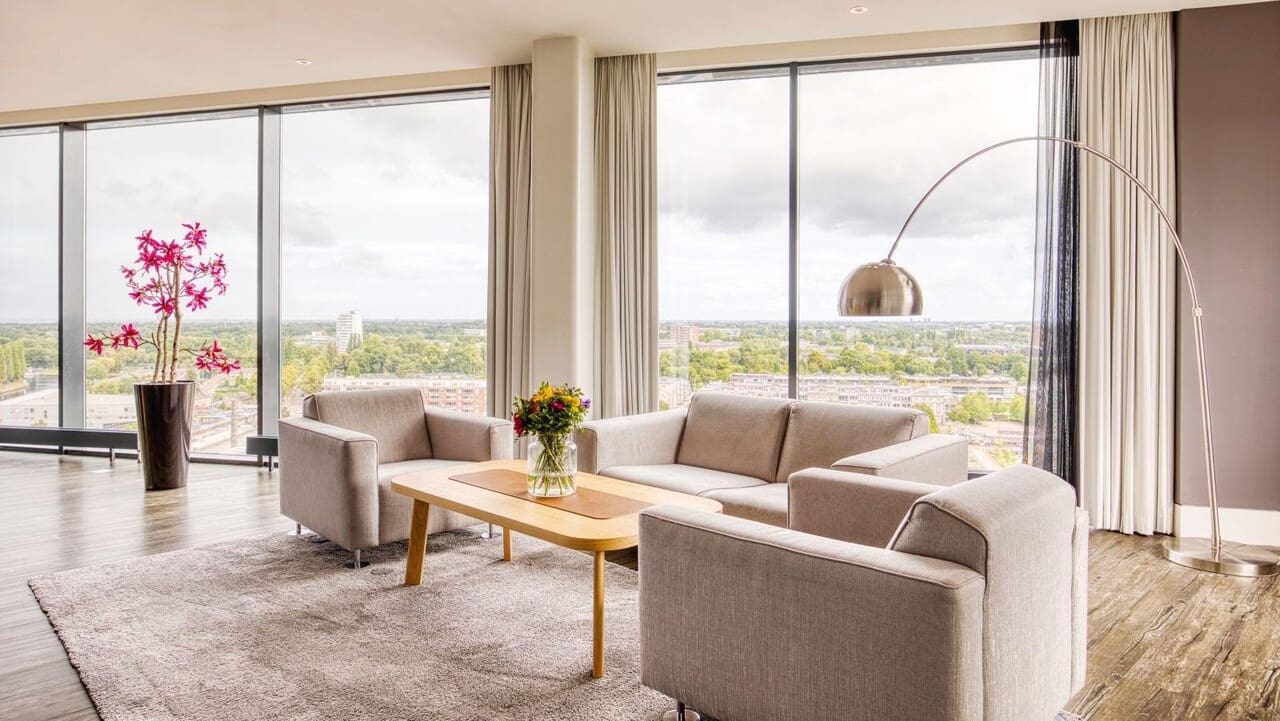
Business Travel Accommodations
Are you looking for a place to stay for business in Amersfoort?

Education
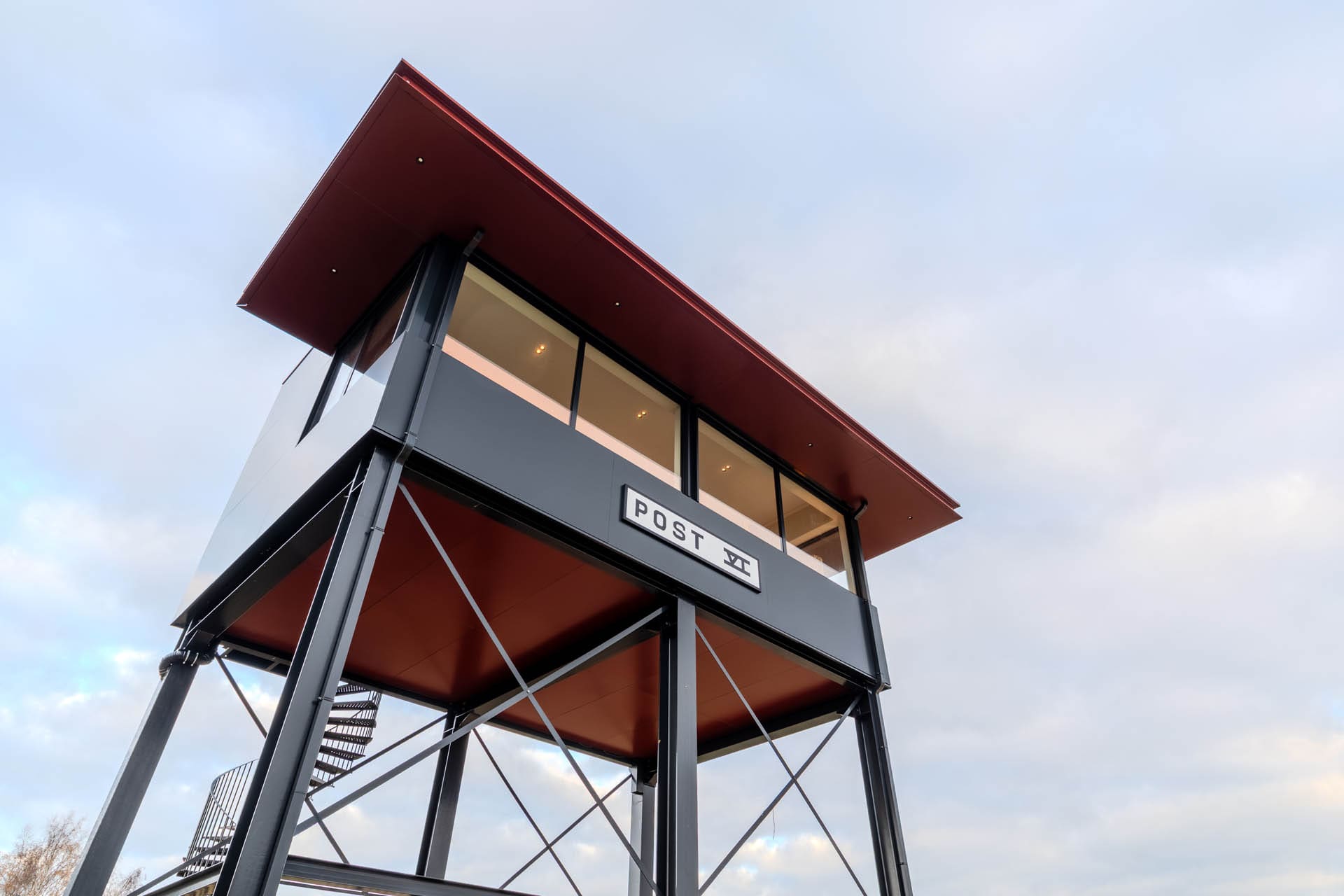
Young talent needs room to grow
How can we give young talent the opportunity today to make a difference tomorrow?
Entrepreneurship
HydroLogic: Smart Water Management
“HydroLogic is doing everything it can to prevent ‘Amersfoort by the Sea.’”
Education
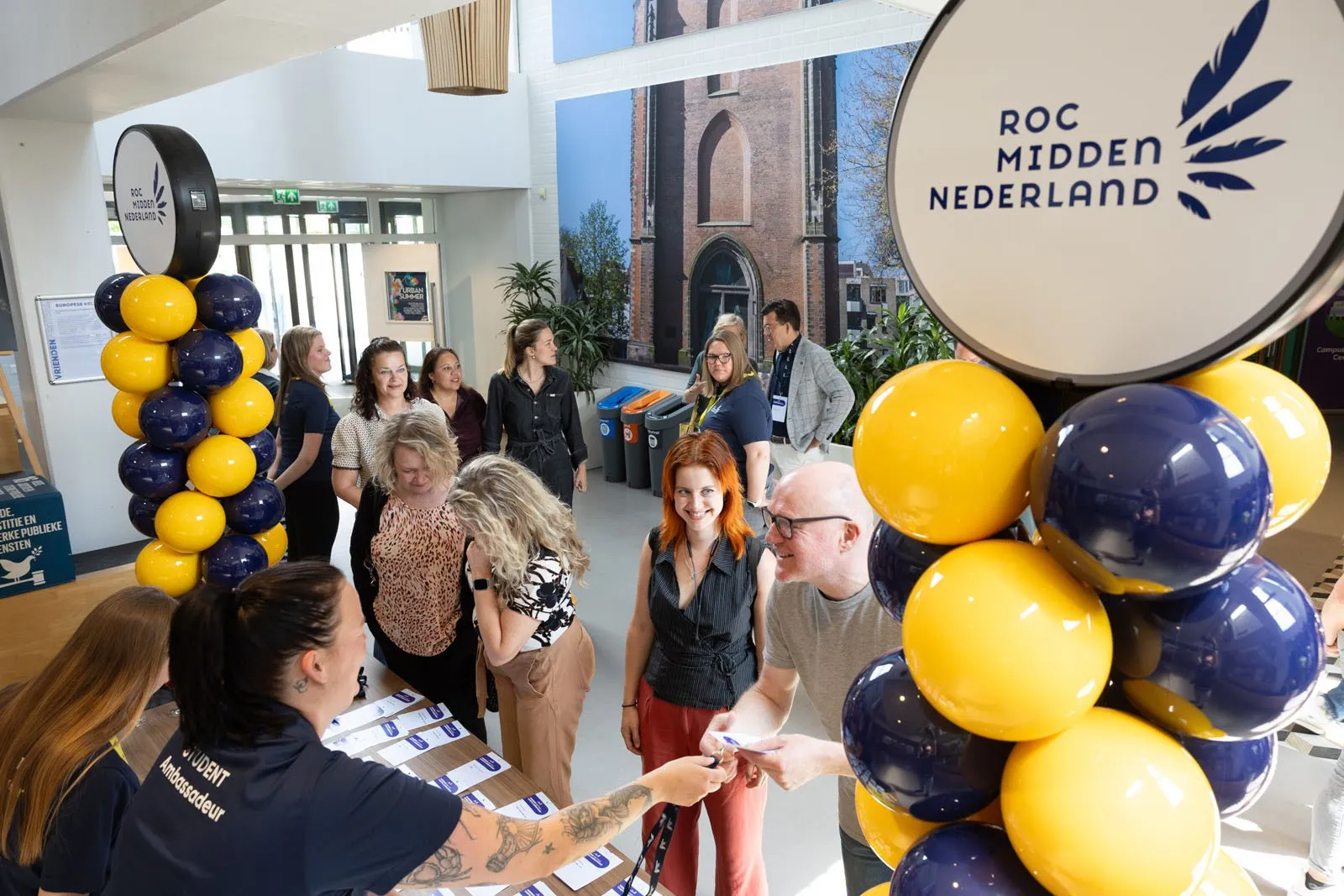
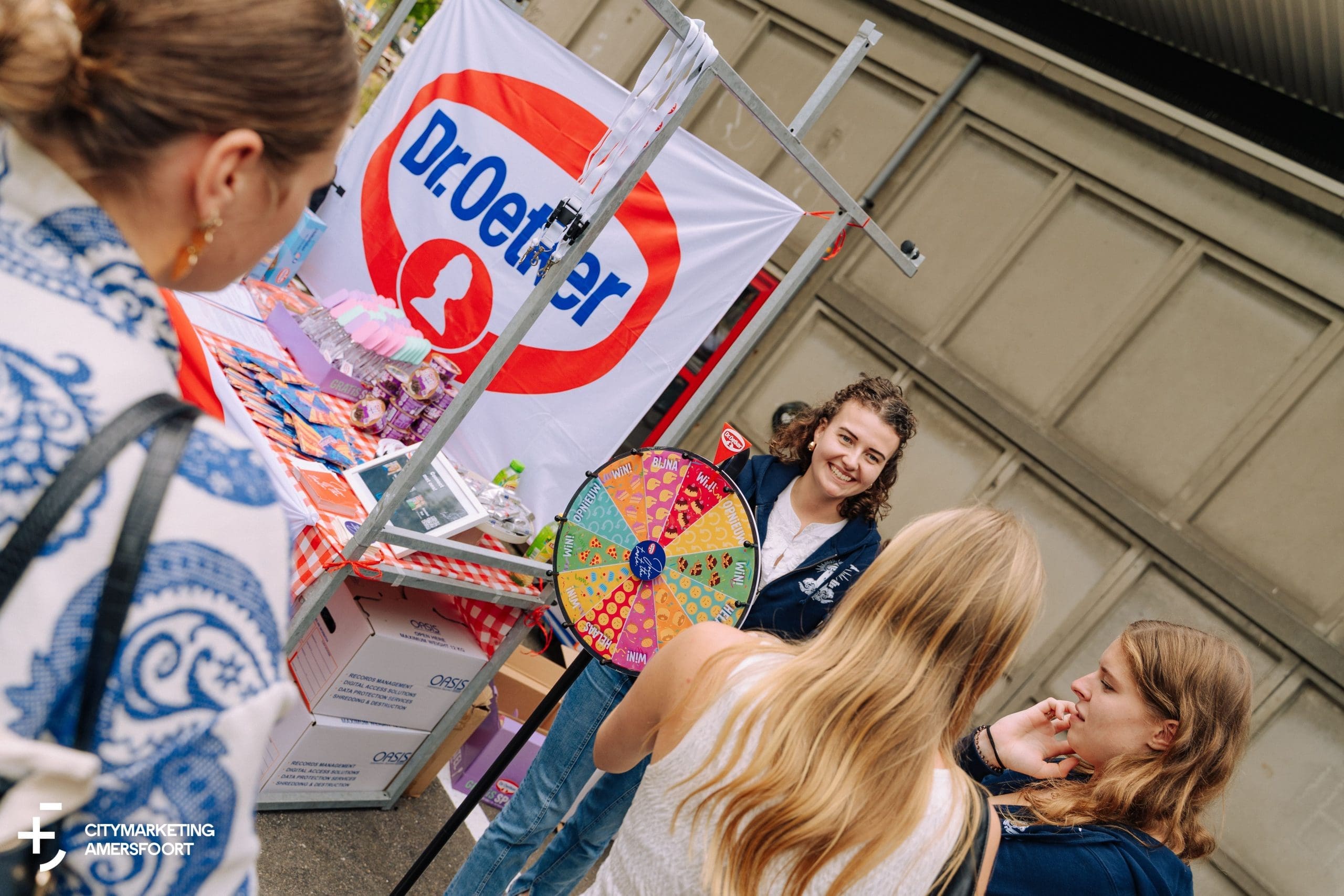
Amersfoort Welcomes New Students and Builds Connections with the Business Community
During KEI-Start Amersfoort, new students explore Amersfoort, meet local businesses, and lay the foundation for their connection to the city.