
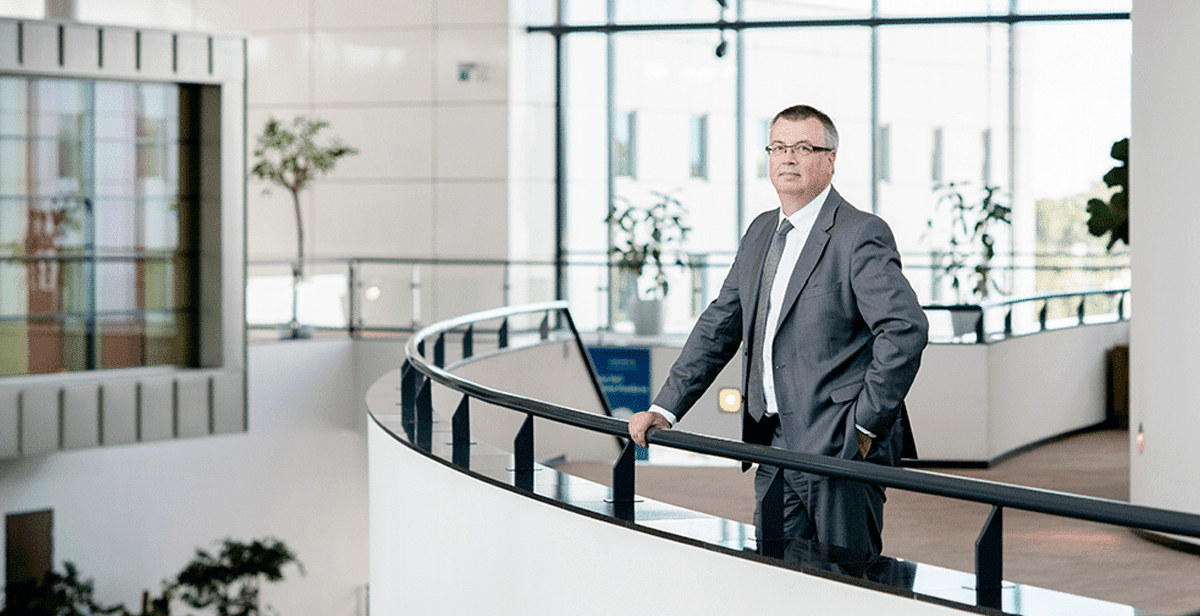
Interview with Will de Groot, former managing director of Yokogawa. He has not been with Yokogawa since 2021.
The “wow” factor is high when you enter the lobby of Yokogawa on Euroweg in the Vathorst business park. It’s bright, open, and spacious. If you look up slightly, you’ll see green plants and small trees arranged in neat rows. Beneath them, water ripples down from a massive, slanted stone. It’s a direct reference to the meaning of “Yokogawa,” explains Managing Director Will de Groot of the company’s Dutch branch, which is headquartered here. “No matter which regional headquarters you walk into, you’ll always find babbling water and other Japanese decorations somewhere.”
Certainly not in excess, mind you, but subtly and with a sense of style. Just like here, at Yokogawa in Amersfoort, which has been located at this site for eleven years now. Although it all looks as if it were recently installed. And to think that some 600 employees make use of the facilities in this beautiful home base.
They come from all over the world. This Yokogawa office boasts no fewer than 33 nationalities, though the majority are “simply” from the Netherlands—and specifically from the Amersfoort region. A lot of Japanese people? You’d think so, but there are only a handful. And that’s typical of Yokogawa’s branches outside its country of origin.
In-house glassblowing workshop
“That’s because Yokogawa strongly believes in connecting with the local culture,” explains De Groot. “So there are French people on our company’s French management team, Germans on the German management team, and here, Dutch people on the Dutch management team. Like me—I was born in Amersfoort. This means there are hardly any cultural differences in the way we do business, and we understand each other well. Incidentally, the Japanese employees here play a very important bridging role in our communication with the global headquarters in Tokyo.”
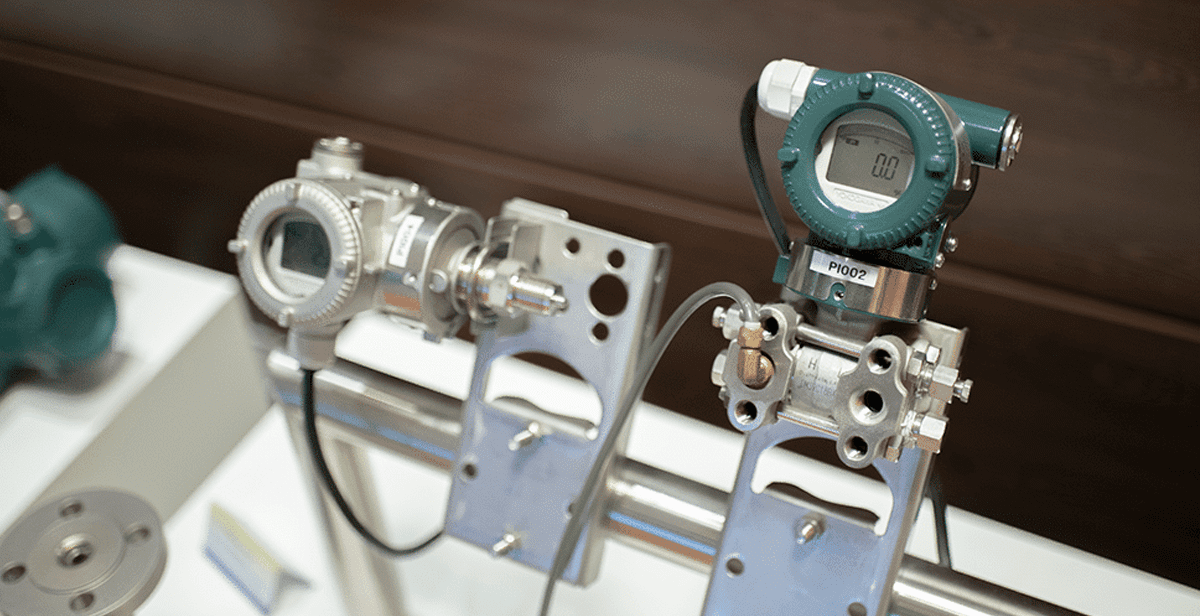
Yokogawa is teeming with bright minds. They tackle complex automation challenges in the process industry. “At birthday parties, it takes me fifteen minutes to explain what we do,” says De Groot with a laugh. Yet he now manages to boil it down to the essentials with ease. “We automate factories. Specifically, we deal with processes involving gases or liquids. That means we’re active in the oil and gas industry, as well as in the chemical, petrochemical, pharmaceutical, and food industries—anywhere where liquids and gases flow. The processes in such plants are controlled by software and hardware that we develop. For example, we measure parameters such as temperature, acidity (pH), and conductivity. Those measurements are converted into digital signals, which in turn control the processes.”
De Groot gives a few examples to illustrate the point. “Take an oil refinery. Crude oil goes in, and gasoline, for example, comes out. Process units ensure that the chemical conversions take place. To control those units, you need to know, among other things, what the pressure and temperature are, and what you need to do to carry out the refining process. A much simpler and more vivid example: at breweries, where we’re very active, it works exactly the same way. All kinds of raw materials go in there, are converted, and ultimately, beer is what’s left. We handle the automation of the processes in between. The goal is for the operators in the control rooms to have to do as little as possible—just like a pilot in an airplane. But if something goes wrong, there must be safety systems in place to intervene. We also manufacture, supply, and install those systems—naturally, in close collaboration with the companies we work for.”
You wouldn’t expect it, but there’s still a “little piece of the factory” hidden away in this modern office. Or factory: it looks more like a laboratory, with all those glass tubes for the liquids produced here. De Groot proudly shows it off. “Within Yokogawa, we have two glassblowing facilities—one in Japan and one in the Netherlands. At both locations, the glass is blown for the pH sensors. The water industry uses them, for example, to measure the acidity of water with pH meters. This is how we got started in Amersfoort in 1982, when we acquired Electrofact, which was located in the Isselt industrial park. Yokogawa itself also began producing measurement technology back in 1914. And we’re still doing it today. It’s highly skilled craftsmanship that very few people can master.’
Easily accessible
Yokogawa is also currently very active in the energy transition. For example, it is focusing its full attention on a renewable energy source like hydrogen. De Groot: “Hydrogen is a gas, and that’s something we know a lot about. You might wonder: how is it that they know so much about this in Tokyo? Japan has no natural resources like gas or oil. So they’ve had decades of experience in processing gas for transportation—how to liquefy it and then convert it back to a gaseous state. We apply that knowledge to our projects.”
And all of this from Amersfoort. It’s been going very well for years, says De Groot. With nearly thirty years of experience at the company under his belt—the vast majority of which was spent in Amersfoort—he’s in a unique position to express that. “Amersfoort definitely feels like home to us. In Japanese corporate culture—and certainly at Yokogawa—great value is placed on the long term. I once called it the Yokogawa family. When a place feels right, like Amersfoort, we remain loyal to it for a very long time.”
To drive home his point, De Groot goes back to the time when Yokogawa’s decision-makers were considering a single, joint location for three business units: the headquarters, already based in Amersfoort; the Dutch branch operating in Utrecht; and an acquired company in Apeldoorn. Five cities were under consideration, including Amsterdam (Schiphol) and Rotterdam. In 2005, they—including De Groot—designated Amersfoort as the best home base for “joining forces.”
“Of course, we looked at practical considerations at the time,” he explains. “In that regard, Amersfoort—with its central location and good accessibility—is an excellent choice. Moreover, we were able to purchase land there in a prime location within the brand-new Vathorst business park. The high-quality image of this park fits well with our company.”
“But aside from those practical factors, our choice of Amersfoort also has a lot to do with gut feeling,” De Groot continues. “We’ve been doing well in Amersfoort since 1982, when Yokogawa gained a foothold in the Netherlands by acquiring Electrofact in Isselt. And that’s been the case in various locations: first in Isselt, then in De Hoef, and now Vathorst has been added to the mix. We’ve also always enjoyed a particularly pleasant working relationship with the municipality. For our Japanese management, that’s an important reason to say: we’re demonstrating our commitment and staying in Amersfoort.”
Nearly fifteen years later, Yokogawa’s organization has no regrets about that decision. On the contrary. Especially for the European headquarters, the location in the heart of the country offers many advantages. Many colleagues from other European Yokogawa branches regularly gather there for training sessions or orientations. “When they arrive at Schiphol, they can get to Amersfoort in no time thanks to the excellent train connection. From Belgium or Germany, our headquarters is also easily and quickly accessible by car. Colleagues from France regularly take the Thalys from Paris, which works well too.”
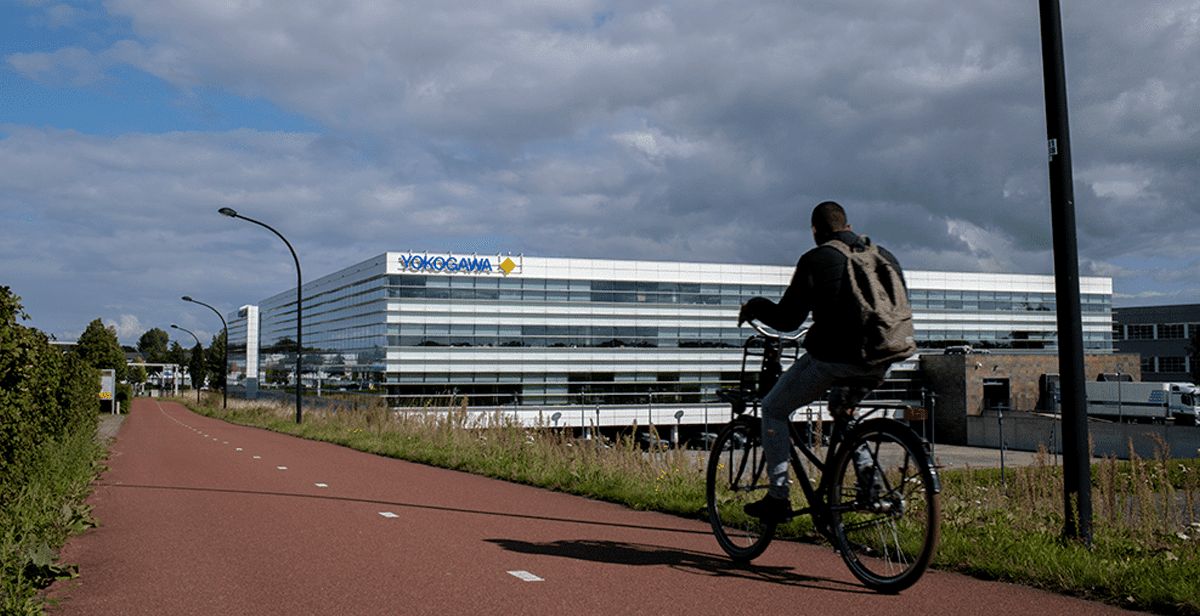
Yokogawa’s headquarters offers plenty of space for all those international colleagues. And Amersfoort has all the amenities, including good restaurants and hotels, as De Groot knows from experience. “Van der Valk is just around the corner; we jokingly call it ‘Hotel Yokogawa’ when we have a major international event. When the weather’s nice, we can even walk there.”
De Groot and his colleagues also enjoy welcoming clients—both domestic and international—to charming Amersfoort. “When we’ve had meetings and head into town in the evening to grab a bite to eat, they’re amazed by what they see. They’re impressed by the beauty, the history, and the architecture—but also by the hospitality in hotels and restaurants. They notice the friendliness and helpfulness. They also appreciate that Amersfoort doesn’t have that overwhelming feel of a big city. In that way, Amersfoort is also a great calling card for our company.”
For her own employees, Utrecht and Amersfoort are pleasant places to live and work. “These cities, with their many amenities, make it easier for us to attract new international colleagues here. We also have a good partnership with the Economic Board Utrecht (EBU), which helps us find housing for our people. These new colleagues look around: where’s a good place to live? And it often turns out to be right nearby, in Amersfoort or Utrecht itself. For example, a lot of new colleagues have settled in Vathorst. It’s nice and close by and a great neighborhood.”
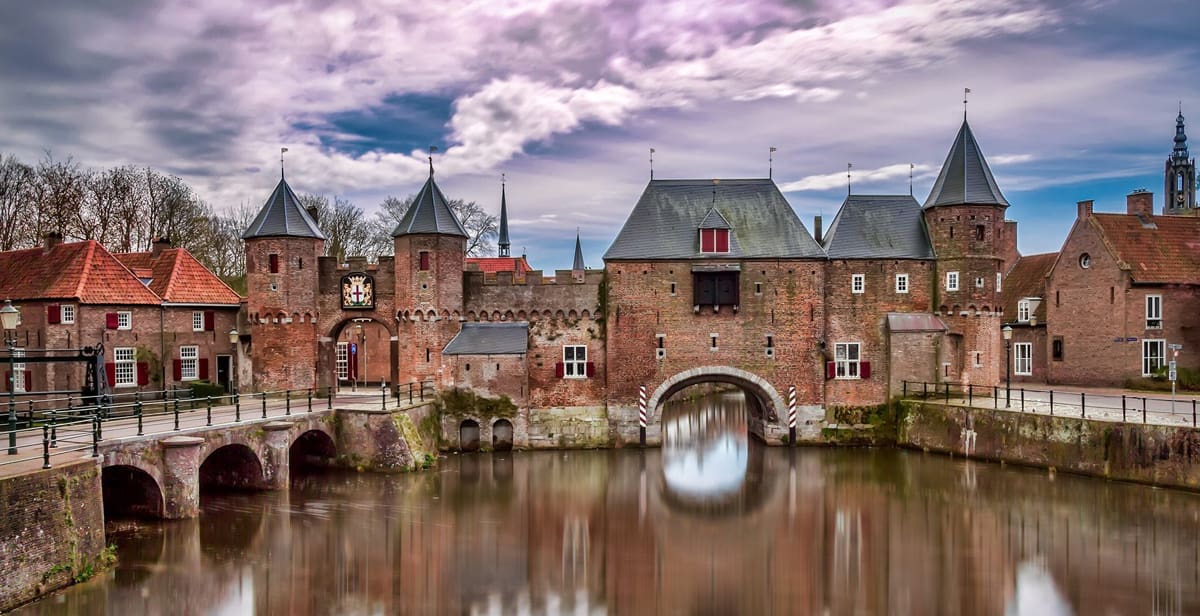
De Groot describes the relationships with both Amersfoort and Utrecht as “very good.” “If we have any questions, we can always reach out and get the help we need. We’re currently working with the Amersfoort Business Team to organize an event for Japanese entrepreneurs at our location. The initiative comes from the Amersfoort Business Team and the EBU, and we’re happy to facilitate it. When an important client or guest from Japan visits, Mayor Bolsius is always willing to meet with them. Conversely, we’ve sponsored King’s Day in Amersfoort, which was a lot of fun to be a part of. It’s a pleasant collaboration like this.”
The Utrecht region, of which Amersfoort is a part, is increasingly focusing on healthy living in an urban environment: the Healthy Urban Living concept. At Yokogawa, they closely follow the developments taking place in the region within this framework, including at Utrecht Science Park. De Groot: “We value a healthy environment for everyone; that’s one of the goals we’ve embraced at Yokogawa. It’s great that Utrecht is taking the lead in developing initiatives in this area. If opportunities arise, we’d be happy to explore collaboration with projects in the Utrecht region.”
Text: Thijs Tomassen Photography: Bram Petraeus & Sjoerd Mouissie
More Entrepreneur Stories
Uncategorized
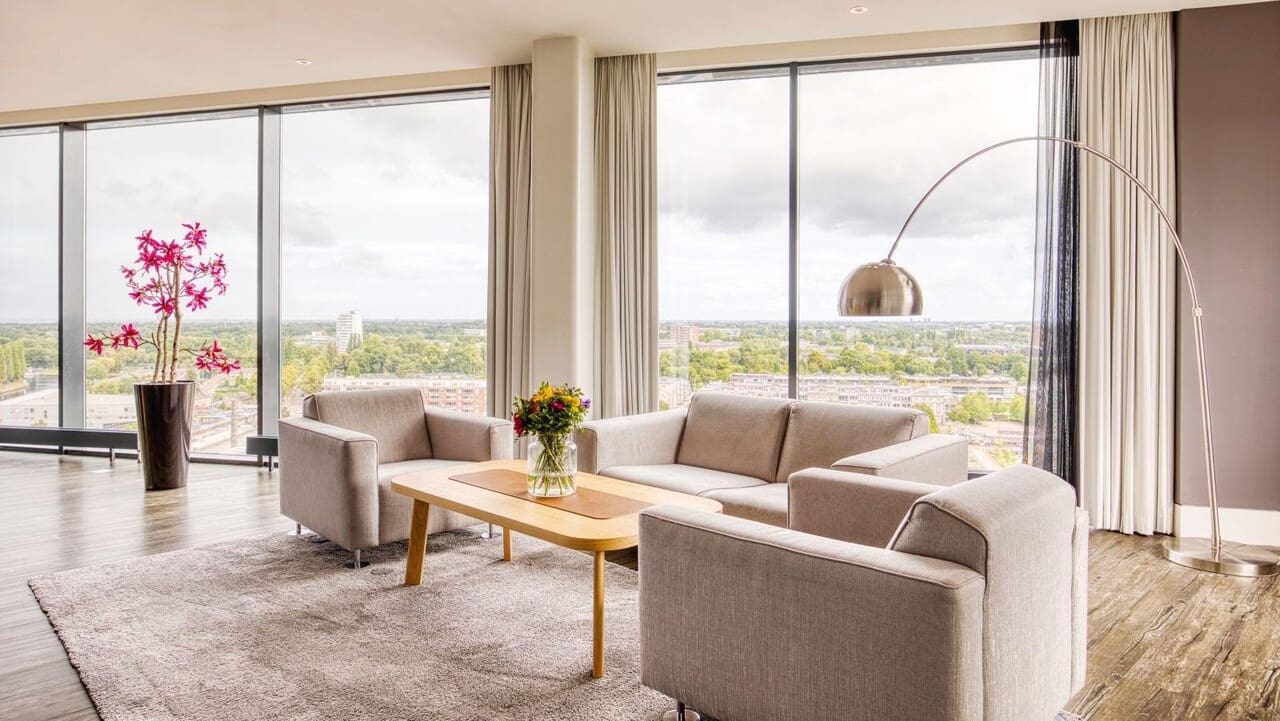
Business Travel Accommodations
Are you looking for a place to stay for business in Amersfoort?

Education
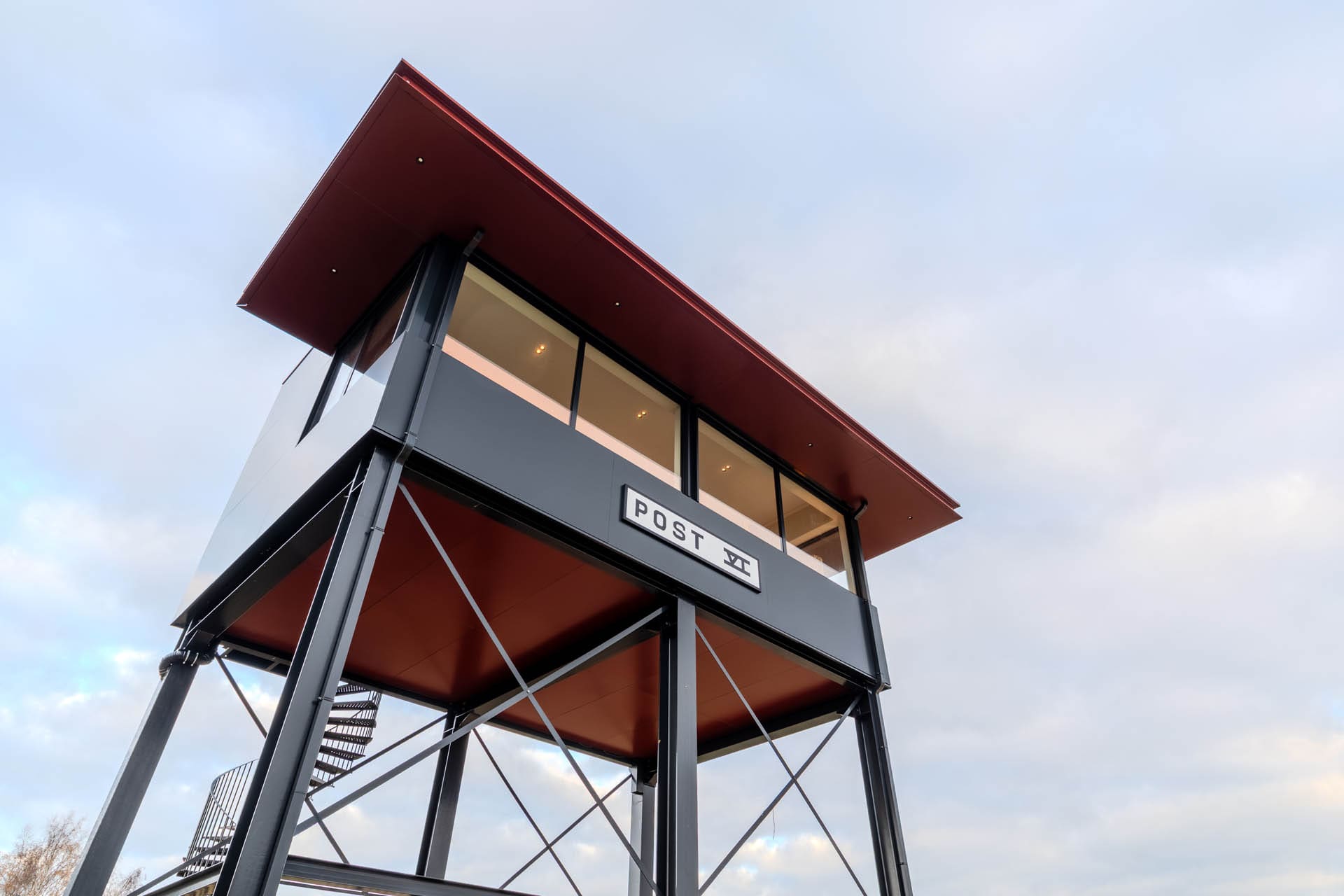
Young talent needs room to grow
How can we give young talent the opportunity today to make a difference tomorrow?
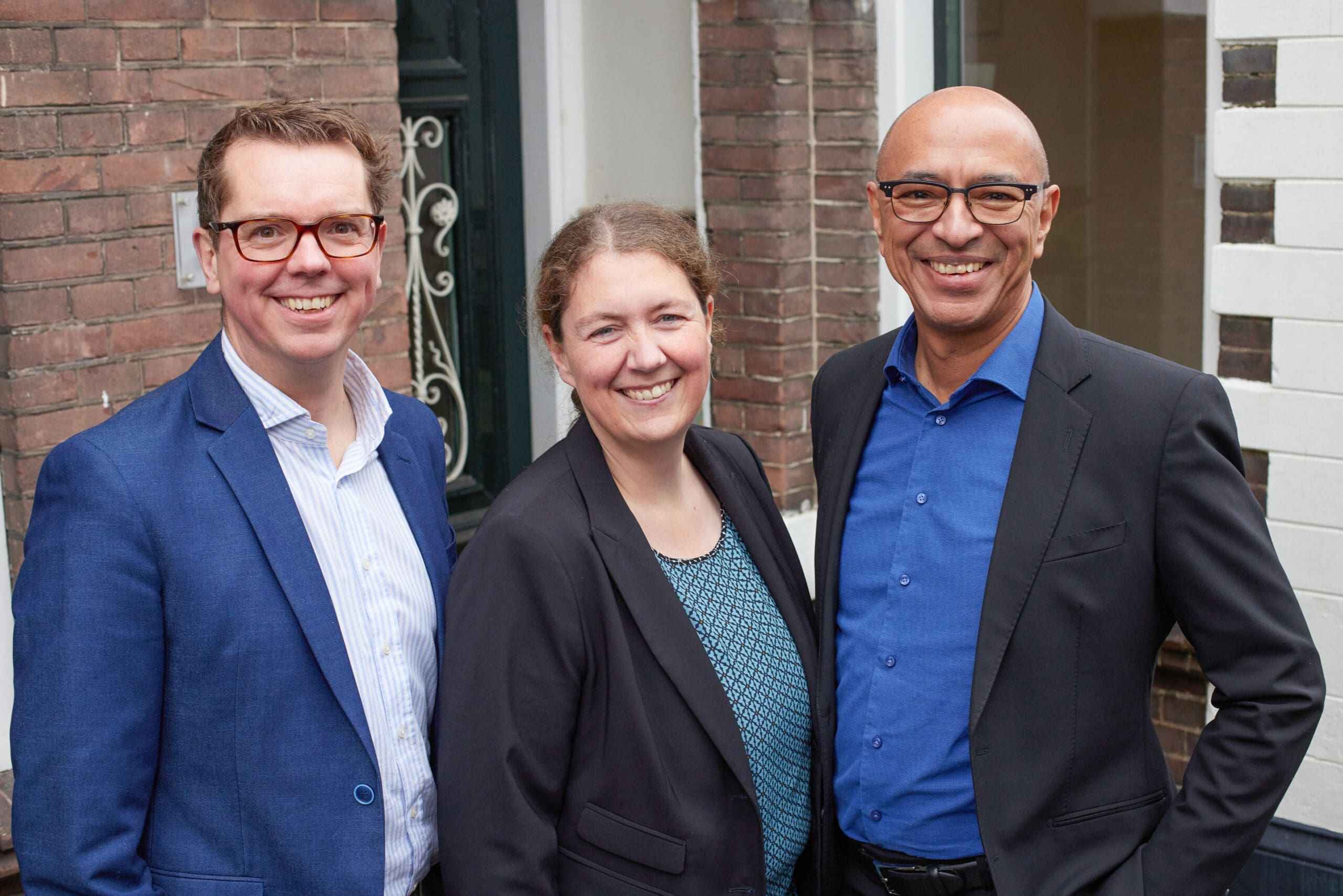
Entrepreneurship
HydroLogic: Smart Water Management
“HydroLogic is doing everything it can to prevent ‘Amersfoort by the Sea.’”
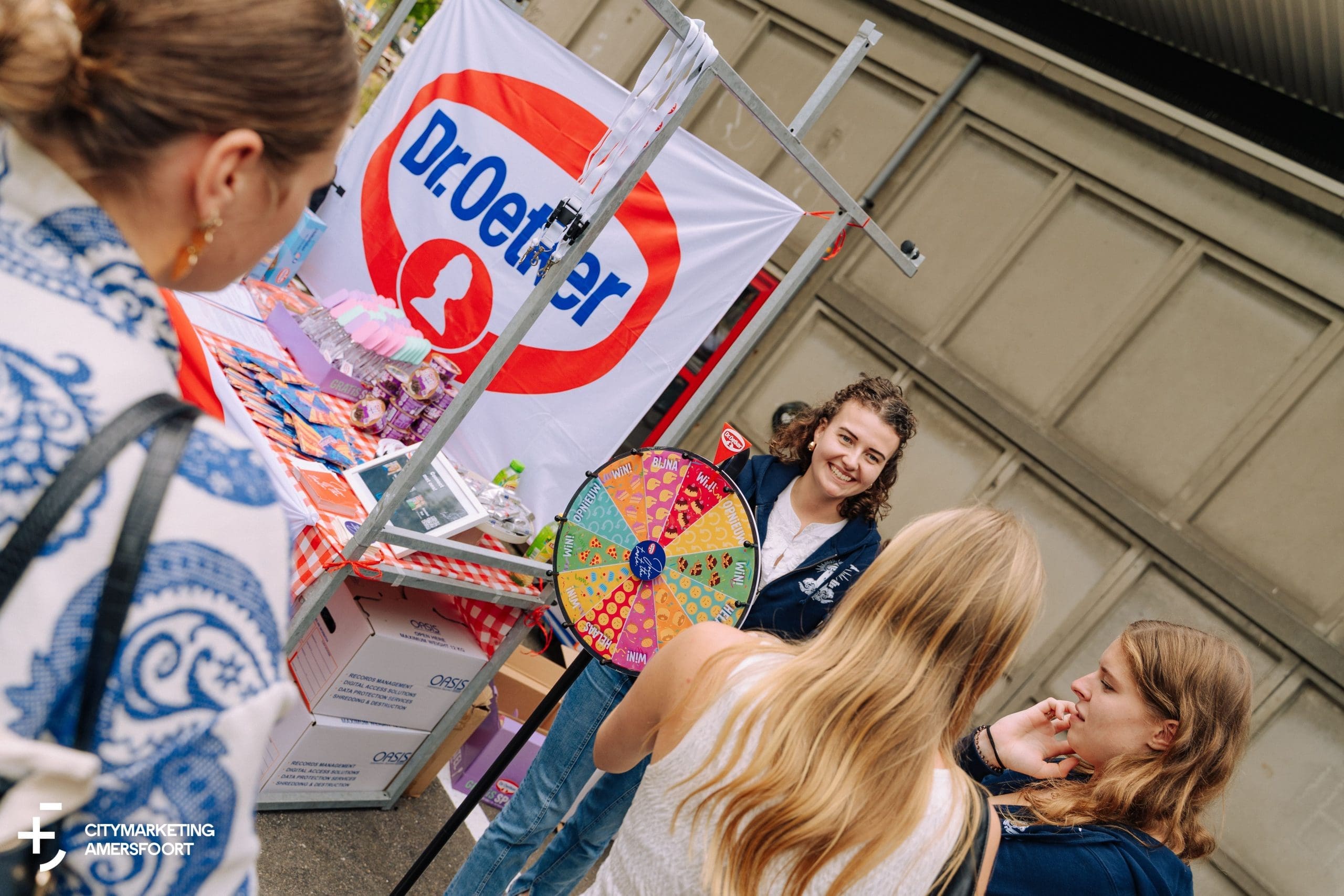
Education
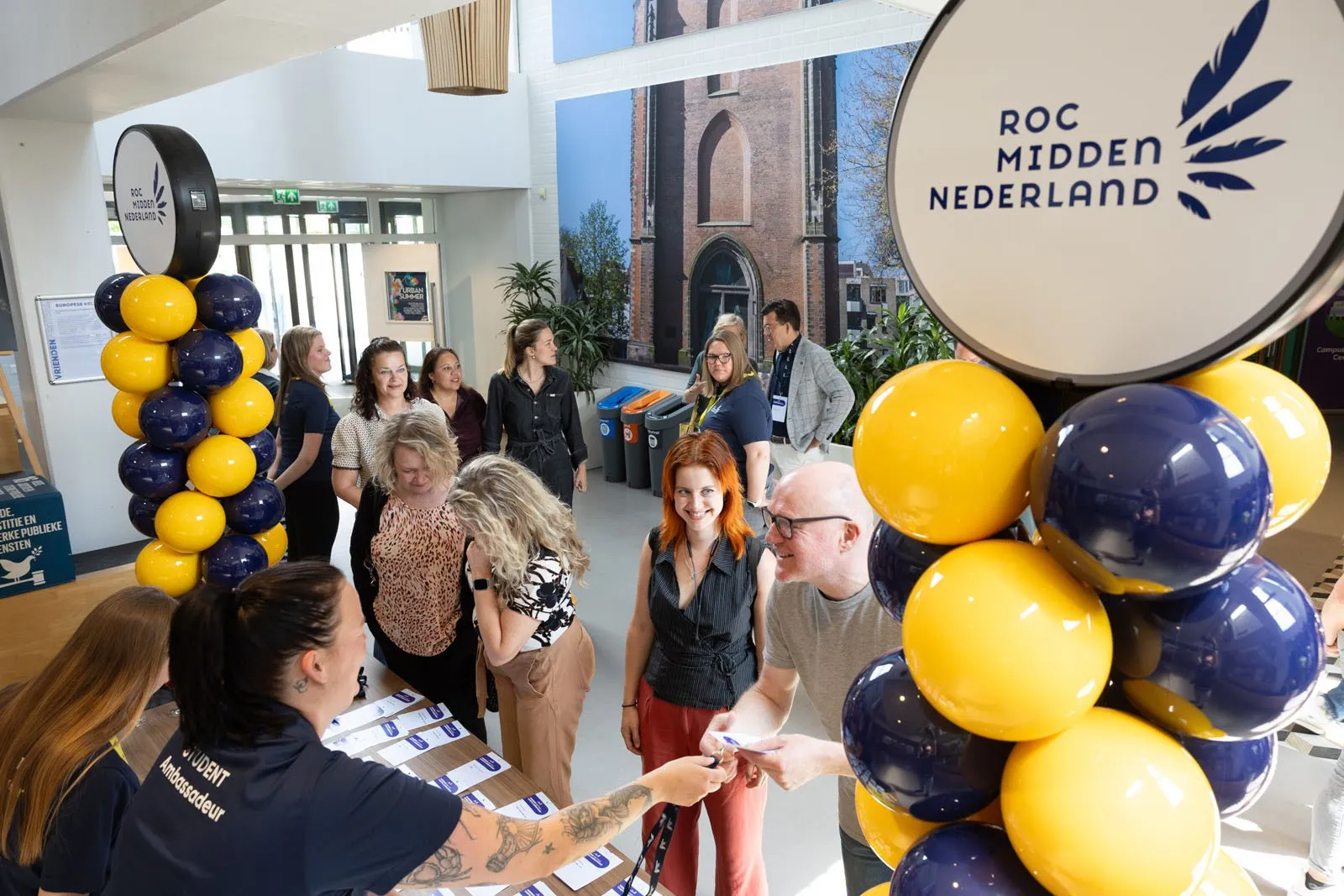
Amersfoort Welcomes New Students and Builds Connections with the Business Community
During KEI-Start Amersfoort, new students explore Amersfoort, meet local businesses, and lay the foundation for their connection to the city.