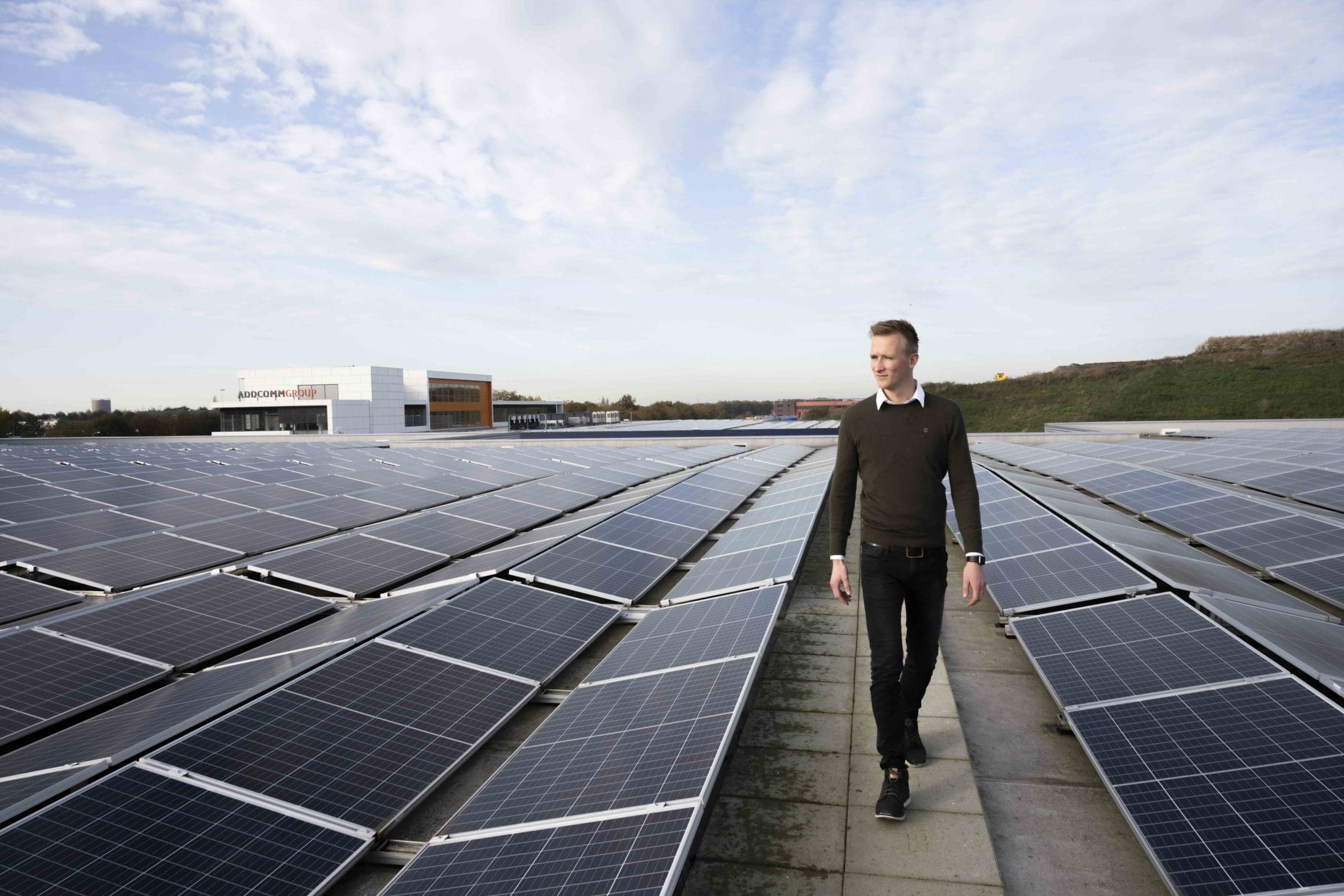
Simon Smink looks out with pride over the sea of solar panels on the roof of Prins Casting & Forgings at Lindeboomseweg 57 in Amersfoort. There are no fewer than 2,088 of them, he recites from memory, and they generate 535,000 kilowatt-hours annually. The two neighboring buildings, also owned by Smink and “occupied” by Addcomm Group and EWT Direct Wind, are just as densely packed with solar panels. Together, the solar panels on the three buildings account for an annual generation of 1.7 million kilowatt-hours. It’s an impressive sight, especially now that the sun is shining so brightly. Smink pulls out his smartphone and reports today’s output from the Prins building: 500 kilowatt-hours, and the afternoon has only just begun. “When it comes to sustainability, this location is our crown jewel,” says Simon. “Three sustainable buildings together in a beautiful location along the A1. Everyone drives past here at some point. Over the past two years, we’ve installed a total of over 8,000 solar panels across seven buildings, more than half of which are here. And the building we’re standing on now—which we completed exactly one year ago—is our first gas-free building. We use a heat pump and offset the electricity consumed here with the solar panels on the roof. This allows us to heat the building, which benefits our tenants.”
Simon lists the benefits for tenants: “The first direct benefit is that they save on energy transmission costs—easily about 15 to 20 percent of the price per kilowatt-hour. We sit down with each tenant to determine the best solution for their specific situation. That way, at the end of the year, we can distribute the positive balance from the SDE subsidy on a pro-rata basis. Or we agree on a fixed price for the energy. This way, we bear the risk of fluctuations in energy prices, and tenants always know exactly how much they’re spending on energy.” A portion of the energy generated by the three buildings on Lindeboomseweg is fed back into the grid. Simon foresees a trend: “The compensation for this is getting lower and lower. We estimate that in the future, you’ll even have to pay extra. That’s why we’re now looking into energy storage, so that in the future we won’t have to feed energy back into the grid.” Smink Vastgoed has since built and renovated two other buildings at different locations in a similar manner.
One of them, the home of Kubus Sports in Nijkerk, has been renovated. “Then you run into other challenges,” says Simon. “You have to work with existing spaces. We have our own construction company and applied the knowledge we gained from the earlier project on Lindeboomseweg to the renovation in Nijkerk. For example: in this case, we kept the window frames intact. They’re made of plastic and are in excellent condition. You might say, ‘Let’s replace them as a precaution,’ but that just creates more waste, and that’s not sustainable. (laughing) Although we’ve always been pretty good with waste. But you shouldn’t create waste just for the sake of it. We mainly use our common sense, even when it comes to sustainable construction and renovation.’
Future Challenges
In recent years, sustainability has risen significantly on Smink Vastgoed’s list of priorities. This is due in no small part to Simon, a representative of a young and environmentally conscious generation. “Until a few years ago, it was all new, and very few business owners were really on board. Now you can see that everyone has seen the light. Everyone wants to do their part. Ultimately, we all need to become Paris Agreement-compliant.”
“And so Smink is fully engaged in the sustainable construction and renovation of its properties. ‘That goes beyond simply erecting a sustainable building with solar panels on top. We lease to the logistics sector, so transportation is also very important—maneuvering space, accessibility, and so on. Our tenants need to be able to get a package from A to B with as few steps as possible. In addition, we build properties that can be used for multiple purposes. It’s especially great when tenants can collaborate with one another.”
Smink keeps an eye on innovations and jumps at the chance when new sustainable solutions have proven themselves. “We’re a down-to-earth company, so we don’t rush to be first. To be completely honest: until three years ago, we hadn’t even looked into solar panels. After doing some research, we saw the added value, and our tenants were eager to have them. Based on this, we decided to do it right from the start and install about 8,000 solar panels on suitable roofs.
We opted for additional optimizers—smart devices that ensure optimal efficiency even when there’s shade. We never have shade on the roof here, but the advantage for us is that you can link the optimizers together so that the entire system shuts down in the event of a fire. That’s that old-fashioned common sense again. We estimate that this will become a requirement. Moreover, as a property owner, you want the best for your building. These are structures that need to last a long time, so you want to get it right the first time.
He’s already taking a leap into the future. “The next big step in the energy transition will be energy storage. Then you can truly use buildings to be self-sufficient, and the power grid won’t be overloaded by the peaks in solar energy generation that we’re seeing more and more of now.” One of our buildings in Nijkerk houses Power Sonic. That company operates globally in battery solutions and manufactures, for example, large batteries for energy storage and emergency power. It’s a natural fit. So we’re installing one of the first energy storage containers in the Netherlands here, capable of storing 500 kilowatt-hours, complete with its own fire suppression system and air conditioning. What if the sun isn’t shining one day and you need power? Then you don’t draw it from the grid, but from that battery. An ideal backup.”
Simon predicts that the biggest challenge in the coming years will be in the office market. “By 2023, offices must have an energy label of C, and by 2030, label A. For many offices, that’s complicated. They’re tall and have little roof surface area. So you have to find an alternative to solar panels. You’re seeing some great initiatives emerge. The bioheat plant being built at De Hoef is a great example of a good alternative. We’d love to connect our office building at De Hoef—the former DHL building—to that system when the time comes. Then that building will also be gas-free.”
This is how Smink Vastgoed keeps moving forward, with Simon as the young driving force behind its sustainable course. “The great thing is: we do a lot ourselves, from construction to maintenance. When we build a property, Smink Infra prepares the site for construction; nine times out of ten, we do the construction ourselves; and we have Hartog Containers—a company we acquired in 2015—haul away and process the waste. That way, we keep a lot under our own management.’
“Collaboration is Amersfoort’s strength”
Ever since the family business was founded in 1955, Smink has been right at home in Amersfoort. Grandson Simon Smink, who works in the company’s real estate division, can only agree. “We were all born and raised in Amersfoort. And because we still live there—or at least in the region—we drive past the properties almost every day. That’s why we can quickly resolve any issues that arise in the buildings. Of course, it makes us a little proud every time we drive past them. We’ve mostly built these properties entirely from the ground up ourselves. That took quite a few Saturdays.”
Smink works well with the city of Amersfoort, Simon explains. “Short, direct lines of communication—that’s what we like.” He points to the Prins Castings & Forgings building on Lindeboomseweg and calls it a great example. “That company was previously located at the Calveen office park and, from there, had a view of our construction lot on Lindeboomseweg. Prins had outgrown its space and wanted to move to a location with room for both offices and distribution, so they could have everything under one roof. However, it wasn’t easy to find the right location.
Prins then approached the city of Amersfoort. The city pointed Prins to our building lot—which, as it turned out, was the very view they saw every day! Prins had never realized they could build their new facility so close by. Together with Prins, we ultimately arrived at the result you see today. Without the involvement of the city of Amersfoort, Prins would most likely have left the region, and we would still have an undeveloped lot sitting idle. That is the strength of Amersfoort.’

More Entrepreneur Stories
Uncategorized
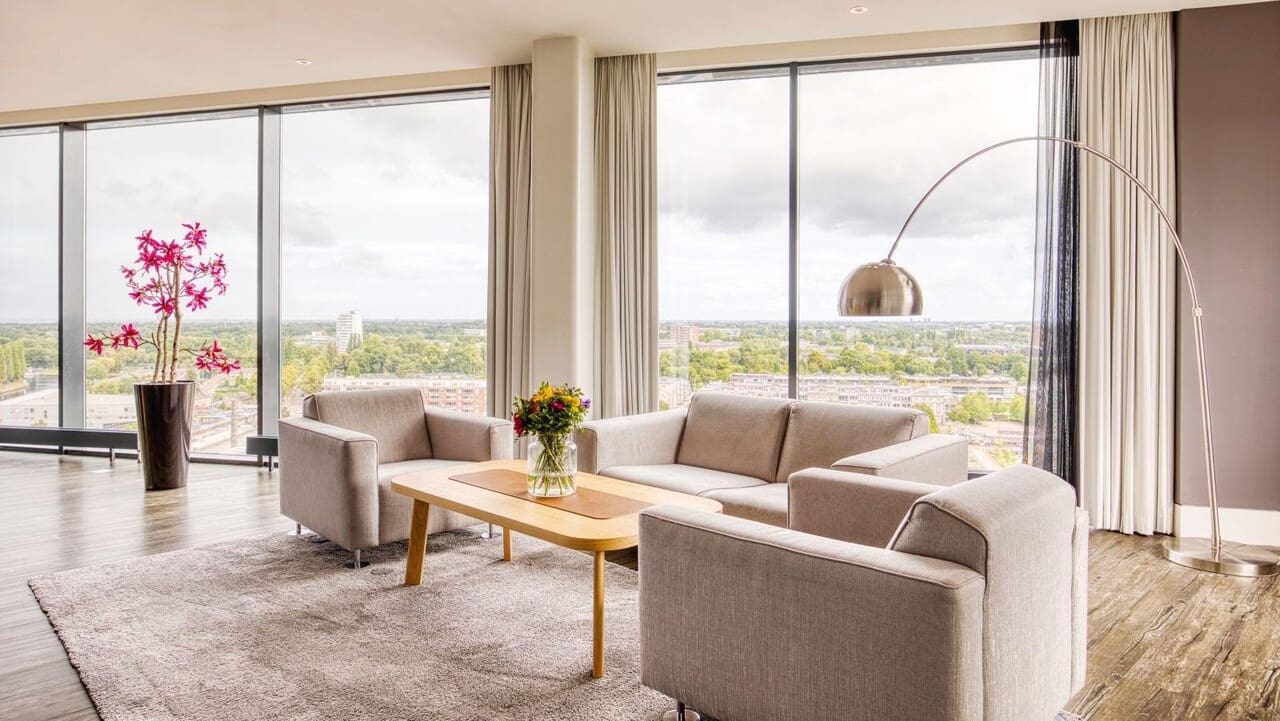
Business Travel Accommodations
Are you looking for a place to stay for business in Amersfoort?

Education
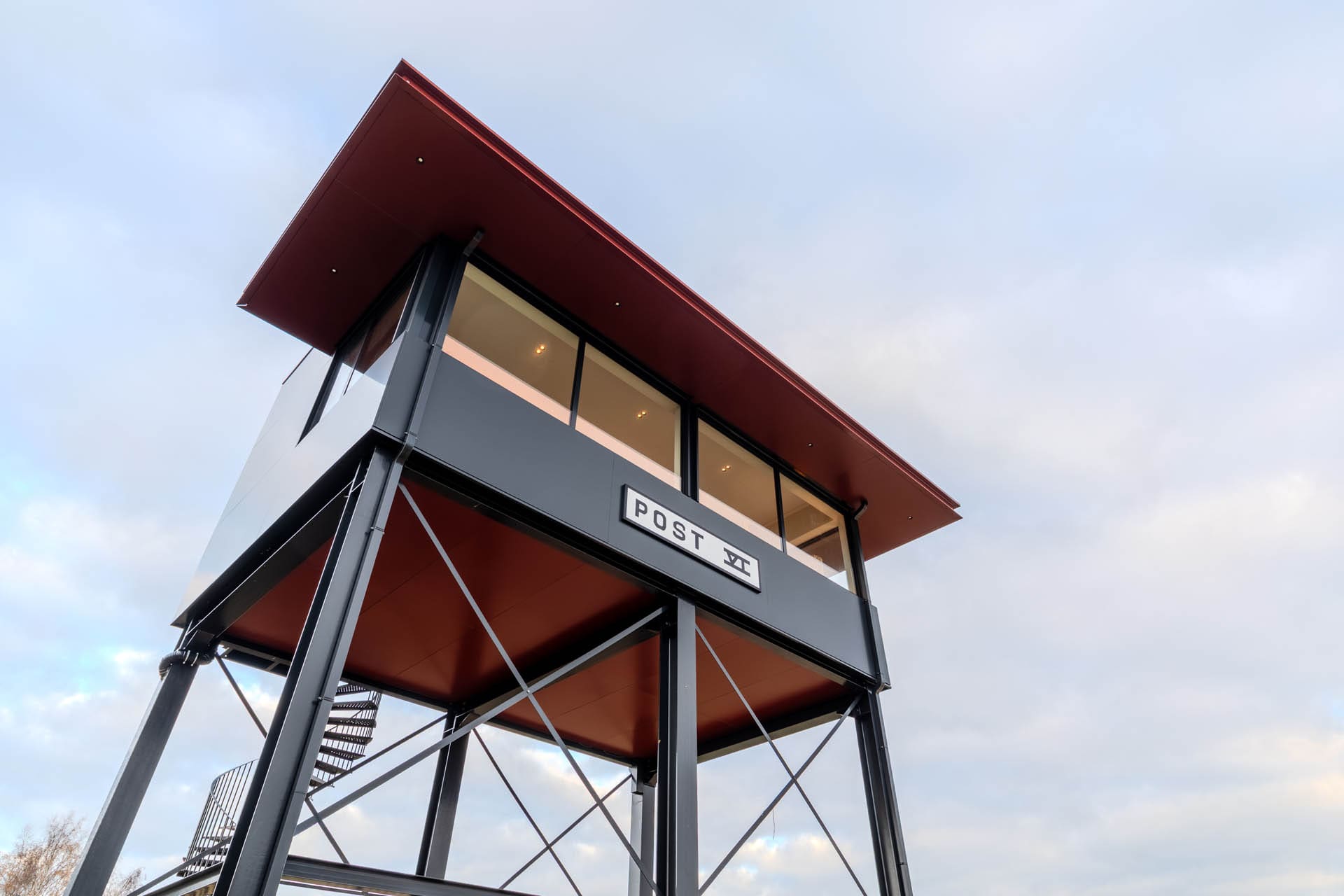
Young talent needs room to grow
How can we give young talent the opportunity today to make a difference tomorrow?
Entrepreneurship
HydroLogic: Smart Water Management
“HydroLogic is doing everything it can to prevent ‘Amersfoort by the Sea.’”
Education
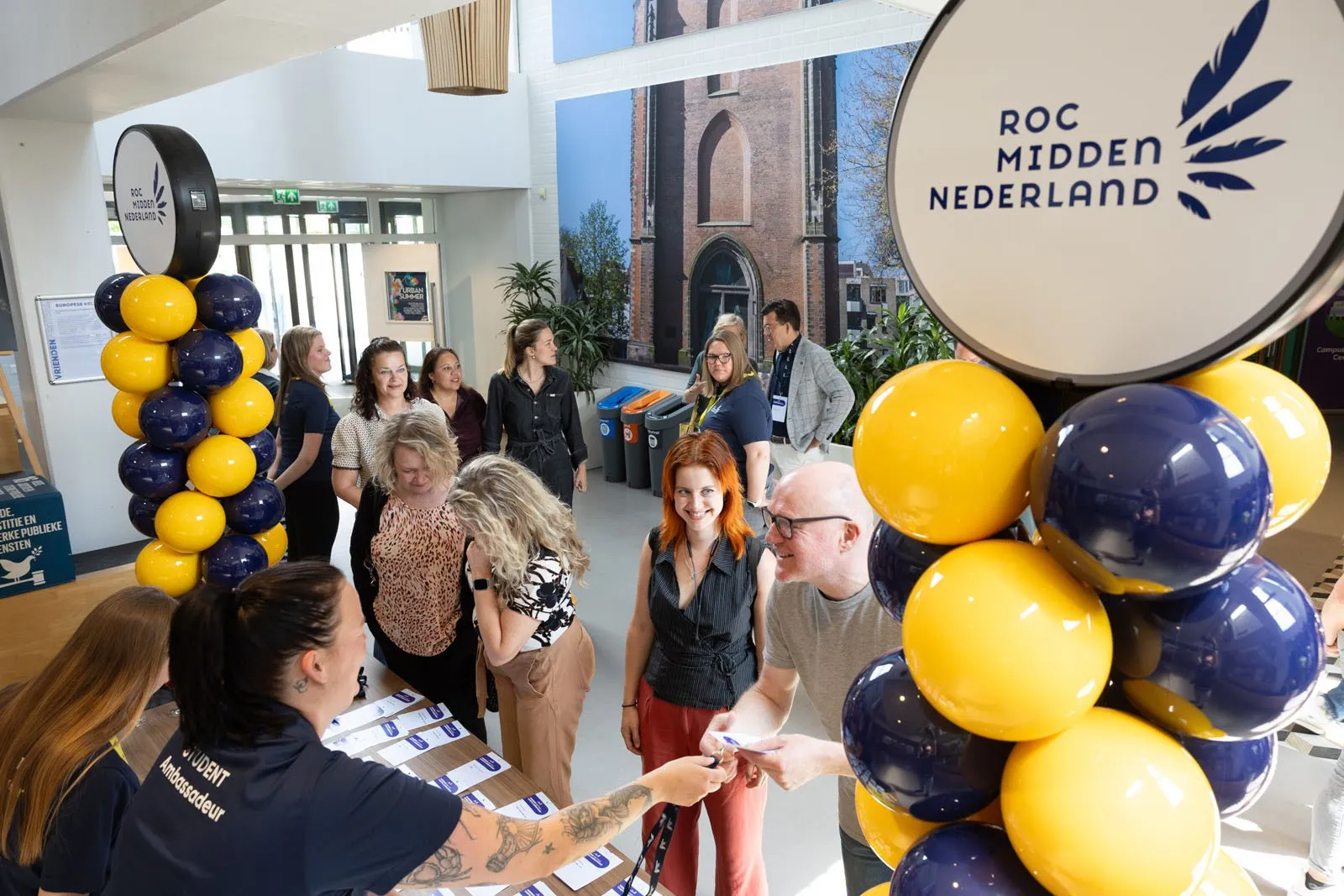
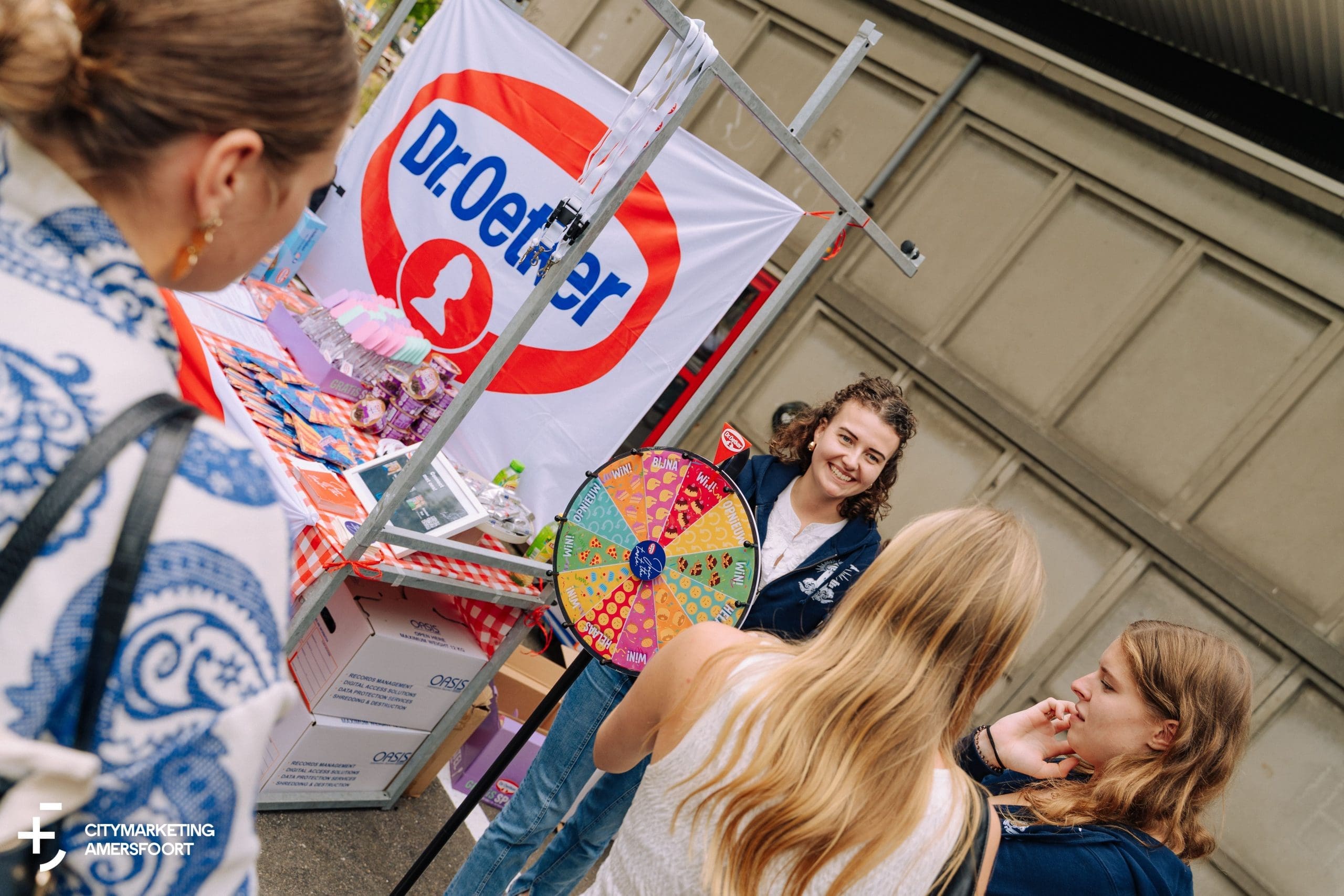
Amersfoort Welcomes New Students and Builds Connections with the Business Community
During KEI-Start Amersfoort, new students explore Amersfoort, meet local businesses, and lay the foundation for their connection to the city.