
Pandemic
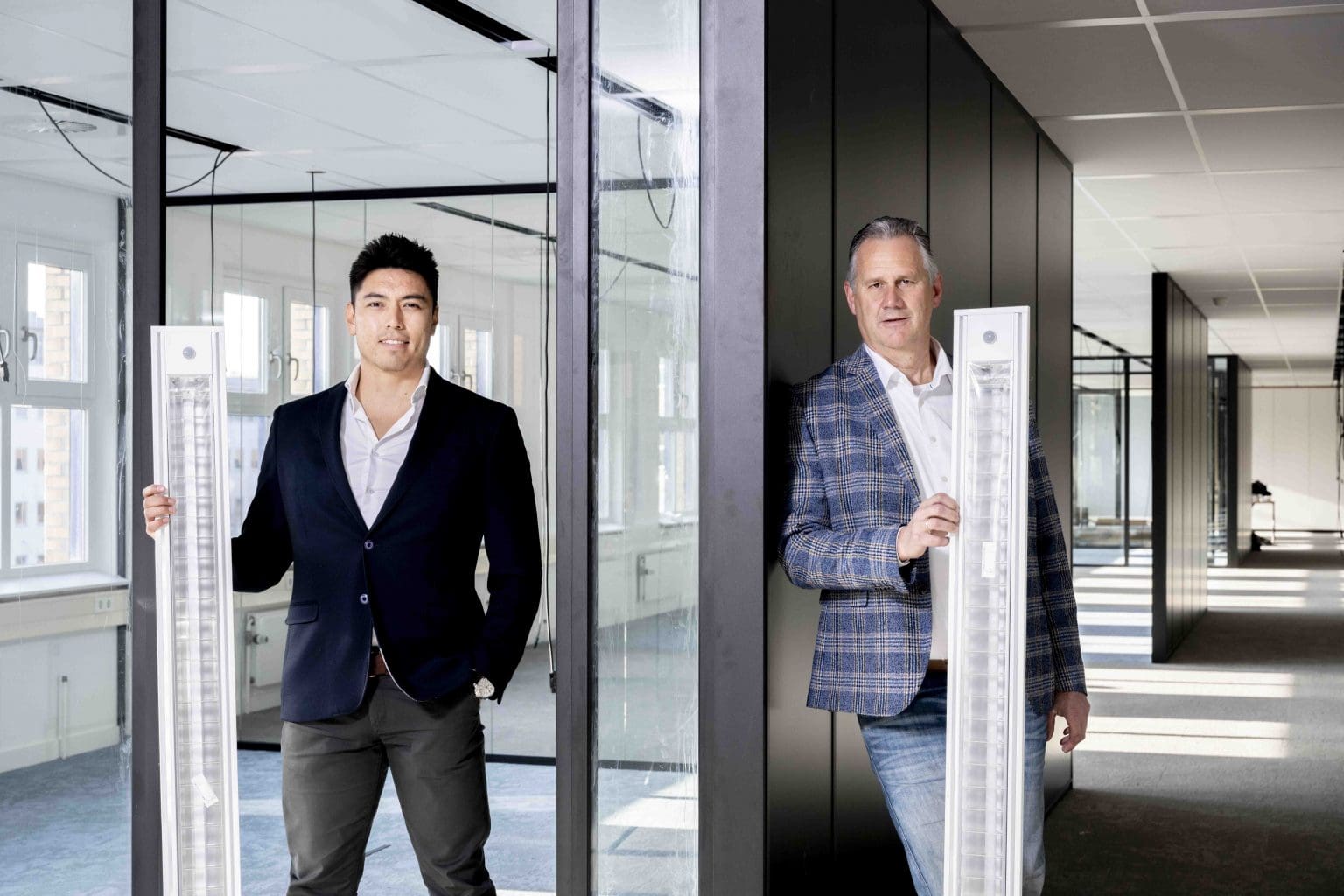
Enappgy implements sensors that not only lead to energy savings but also provide insights into data such as room occupancy rates, malfunctions, and the operation of HVAC systems. One client taking advantage of this is Syntrus Achmea Real Estate & Finance, which acts as an investment manager and asset manager for the owner of the Argonaut office building on Stationsplein in Amersfoort. In that building—where the installation of the sensors is part of a renovation—Vega demonstrates a network of wireless communication points. He has to point them out; otherwise, they would go unnoticed. The sensors are tiny but highly intelligent. Thanks to Internet of Things technology and the scalable software platform behind it, these sensors capture a wealth of data. Building owners and tenants then use that information to make their buildings more sustainable and to use them more efficiently.
Vega illustrates this with an example. “Suppose the cleaning lady arrives here at six in the morning. She doesn’t need the lights on continuously throughout the entire building, nor does she need them at full brightness everywhere. The sensors recognize that—that intelligence is built in. They know: the cleaner will enter this room at 9 a.m., so the lights will turn on there then. In other rooms, the lights turn off or are dimmed, depending on how those spaces are being used. They’re microcomputers with memory that communicate with each other all year round.”
Enappgy’s CEO enthusiastically rattles off the benefits in one breath, because there are quite a few. “The user can specify: I want the sensors to monitor this or that. That way, you can get a complete overview of all the points and systems in the building that use energy, from electricity to water. Humidity, temperature, CO₂: by integrating the sensors with HVAC systems, you can monitor all of that. You can create smart alerts and set parameters to prevent costly malfunctions. And now that we’re dealing with a pandemic, it’s valuable that the sensors also track in real time how spaces and walkways are being used. What is the occupancy rate, how is the building being used, and is that efficient and pandemic-proof?
It’s clear: this section of the Argonaut office building is being transformed into a smart building. Alex Blaauwbroek, Technical Manager at Syntrus Achmea, says: “This is a great example of a current project in the field of sustainability. Across our entire office portfolio, we’re exploring how we can make our buildings and office spaces more sustainable. How can we reduce energy consumption without altering the building envelope? Where do we want to be in five, ten, or fifteen years? This is also part of our ESG Strategy through 2030: operating carbon-neutrally, fostering innovation, and investing in the world of tomorrow. Implementing Enappgy can help us achieve this goal.” Syntrus Achmea, a wholly owned subsidiary of Achmea, is a real estate and mortgage investment manager for institutional investors, such as pension funds, insurers, and charitable organizations.
Blaauwbroek: “We opt for sustainable investments that deliver both financial and social returns. In the case of the Argonaut, we’re doing this on behalf of one of our clients, who has owned the office building since it was built. The building already had an A energy rating, but the tenant wanted to make it even more sustainable. We looked into this and that’s how we came into contact with Enappgy. The installation of the sensors is in full swing. Further sustainability improvements have a positive impact on the property’s value, and we have a satisfied tenant. The current tenant is very positive about the use of this smart building technology. As far as we’re concerned, this won’t be limited to this building. We want to take further steps toward making our real estate portfolios more sustainable.
Enappgy would like to take on and execute more projects with Syntrus Achmea. Discussions regarding continued collaboration are in full swing. After all, Enappgy’s track record is solid and proven—the era of pilot projects is over. “We guarantee that the buildings we make more sustainable using smart technology will remain attractive, both now and in the future,” says Vega. “In that regard, the project at the Argonaut is a great example of what’s possible.
From a sustainability perspective, but also in light of the current pandemic and the role data can play in that context. We’ve now started with energy-efficient lighting, but we offer a range of additional applications that can be flexibly integrated. For example, this tenant will soon be expanding to include occupancy rate analyses. What will happen to the use of the spaces during and after the pandemic? What about booking flexible workspaces? What about social distancing and following the correct walking routes? Thanks to the sensors, we can monitor all of this and present it clearly in a dashboard. The infrastructure is already in place; the system is installed in the ceiling. That’s all the user needs. They receive a web address that gives them insight into the entire building. We provide a turnkey solution.”

Blaauwbroek sees even more opportunities for the Argonaut office building in the short term. “As part of our efforts to make the building COVID-19-safe and ensure efficient use, we’re modifying all the restroom stalls in this building. Normally, that’s pretty straightforward, but now we’re creating a designated path through the restroom with separate entry and exit doors. That way, people won’t get too close to each other. Together with Enappgy, we’re exploring whether we can install sensors in the restrooms so that a light outside turns on when two people are inside and someone needs to wait a moment.”
Vega: “This is an example of providing a solution tailored to specific needs. In this way, we can help create a healthy environment. Another example is that we make it possible to keep an outbreak under control. Through asset tracking, we can see afterward who has been in contact with whom. This is done securely, locally, and anonymously. This way, HR can notify the right person and advise them in a timely manner if it would be better for them to work from home. This not only has a positive impact on employees’ health but also on organizational costs, since absenteeism costs are high.”
Vega argues that gaining insights from data via apps is the future for companies that want to reduce their CO2 emissions, use their work environment more efficiently, and improve their core processes. According to him, many organizations are still primarily focused on simply saving kilowatt-hours. “But that alone won’t help companies move forward. I understand that it’s currently a priority within companies, but sustainability only stands a chance if we deliver added value in multiple areas. It must be a means to create future-proof organizations. That’s why we offer a three-step model.”
Step one is the energy savings of up to 90 percent that we achieve with new sensor-based lighting. We call Step Two “smart energy”: the integration of the sensor system with the HVAC systems (heating, cooling, ventilation), proactive control within the building, and monitoring of various factors. The final step is smart building. That’s where the apps come into play—that’s where it really gets interesting. These apps provide insights into the smart use of the office and help improve core processes and make strategic decisions. This is essential in today’s world. As a result of the pandemic, companies are leasing fewer square meters and want to use their office space more efficiently. This system is a solution that benefits every stakeholder: users, owners, and managers.’
Sustainable City
Thanks to its innovative solution, Enappgy is growing rapidly in the world of smart buildings and making commercial real estate more sustainable. The company has 200 employees and operates in the United States and the Netherlands. Expansion into Spain and Portugal is planned for next year. The headquarters of this ambitious company is located in Amersfoort. Vega: “In my opinion, this is an ideal city for doing business. It’s a highly suitable location for project implementations. As a software company, it can be a bit harder to find good tech experts here, but the ones you do find are top-notch.”
“I’m originally from Mexico City, a city of twenty million people,” Vega continues. “So I’m used to things being busier and on a larger scale, but Amersfoort is a perfect location to run a business. Especially because of its central location and accessibility. It’s amazing how easy it is to get anywhere from Amersfoort. Within an hour, I can be in any part of the Netherlands. That’s ideal, because we’re working on projects in Helmond, Rotterdam, Rijssen, Amsterdam—you name it. As an entrepreneur, I’m extremely happy in Amersfoort, and I really enjoy living here. I wholeheartedly applaud Amersfoort’s efforts to build a sustainable city and region, together with Utrecht Region. Enappgy is happy to contribute to that. Our mission is to demonstrate the value of data—not only for the user, but also for the owner and manager of commercial real estate.”

More Entrepreneur Stories
Uncategorized
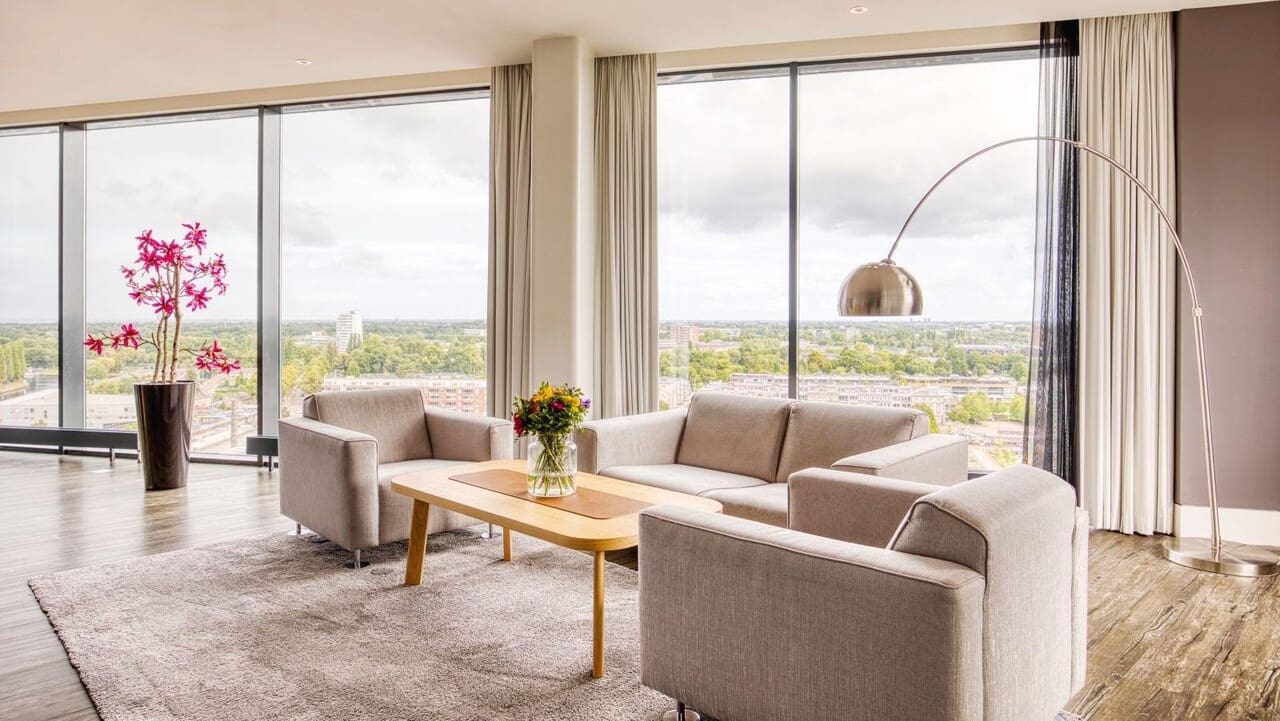
Business Travel Accommodations
Are you looking for a place to stay for business in Amersfoort?

Education
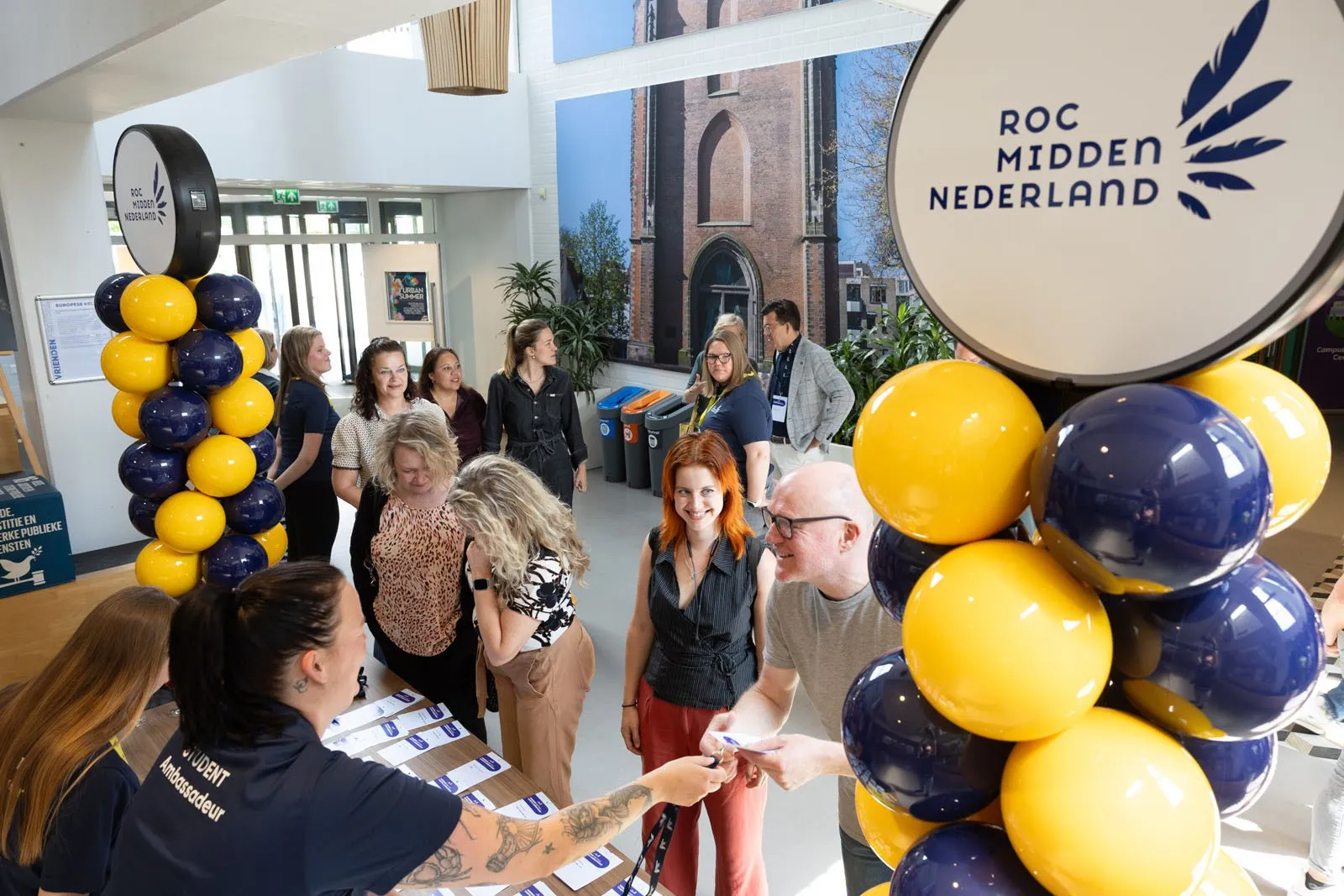
Young talent needs room to grow
How can we give young talent the opportunity today to make a difference tomorrow?
Entrepreneurship
HydroLogic: Smart Water Management
“HydroLogic is doing everything it can to prevent ‘Amersfoort by the Sea.’”
Education
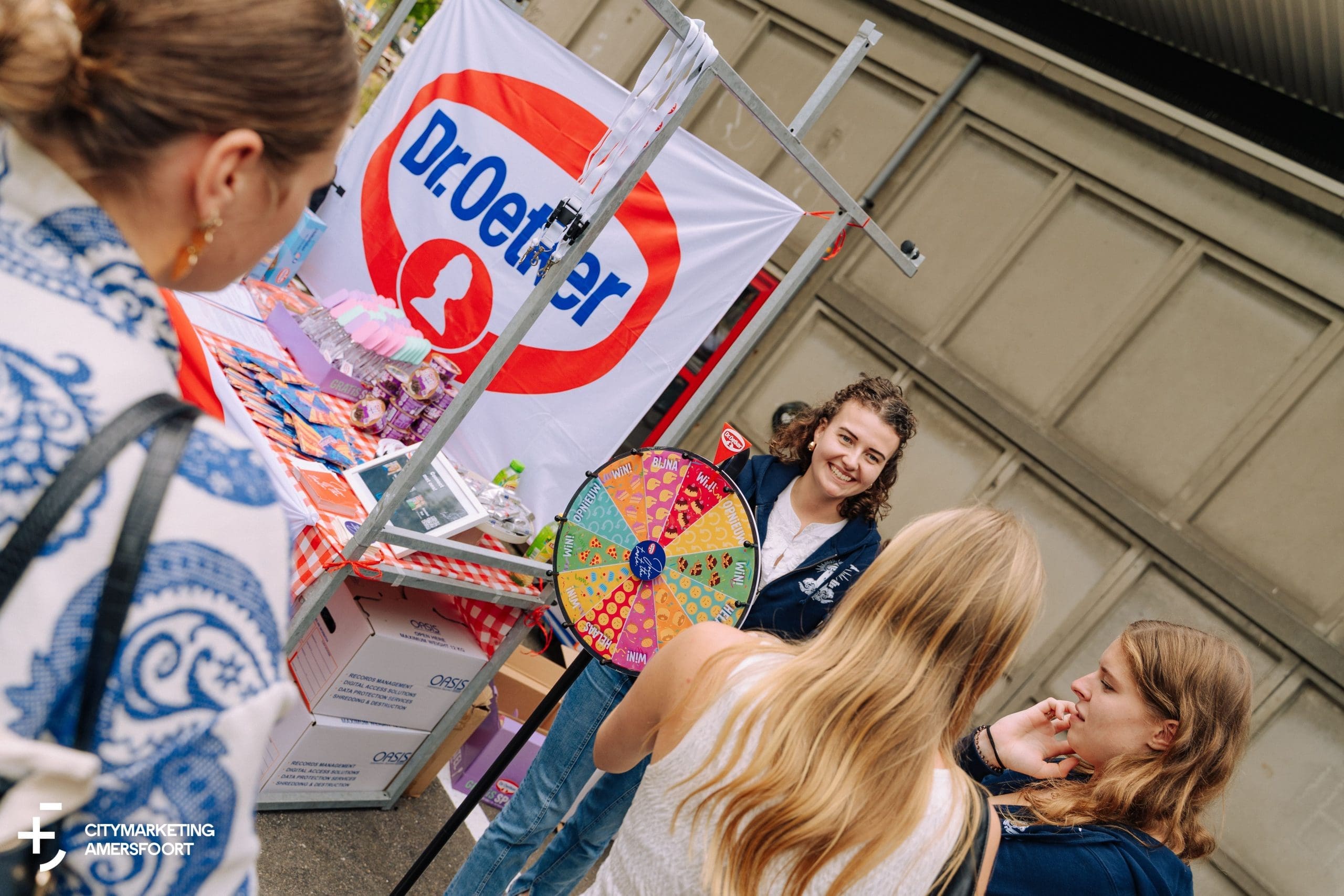
Amersfoort Welcomes New Students and Builds Connections with the Business Community
During KEI-Start Amersfoort, new students explore Amersfoort, meet local businesses, and lay the foundation for their connection to the city.