
The rail infrastructure sector is indispensable to the Netherlands. Day in and day out, the sector ensures that passengers and freight can continue to move safely and smoothly. This requires expertise, up-to-date knowledge, and a constant stream of new technical talent. Based in Amersfoort, Railcenter operates precisely at that intersection: training people who will build and maintain the railways of tomorrow, while also helping professionals keep their knowledge up to date.
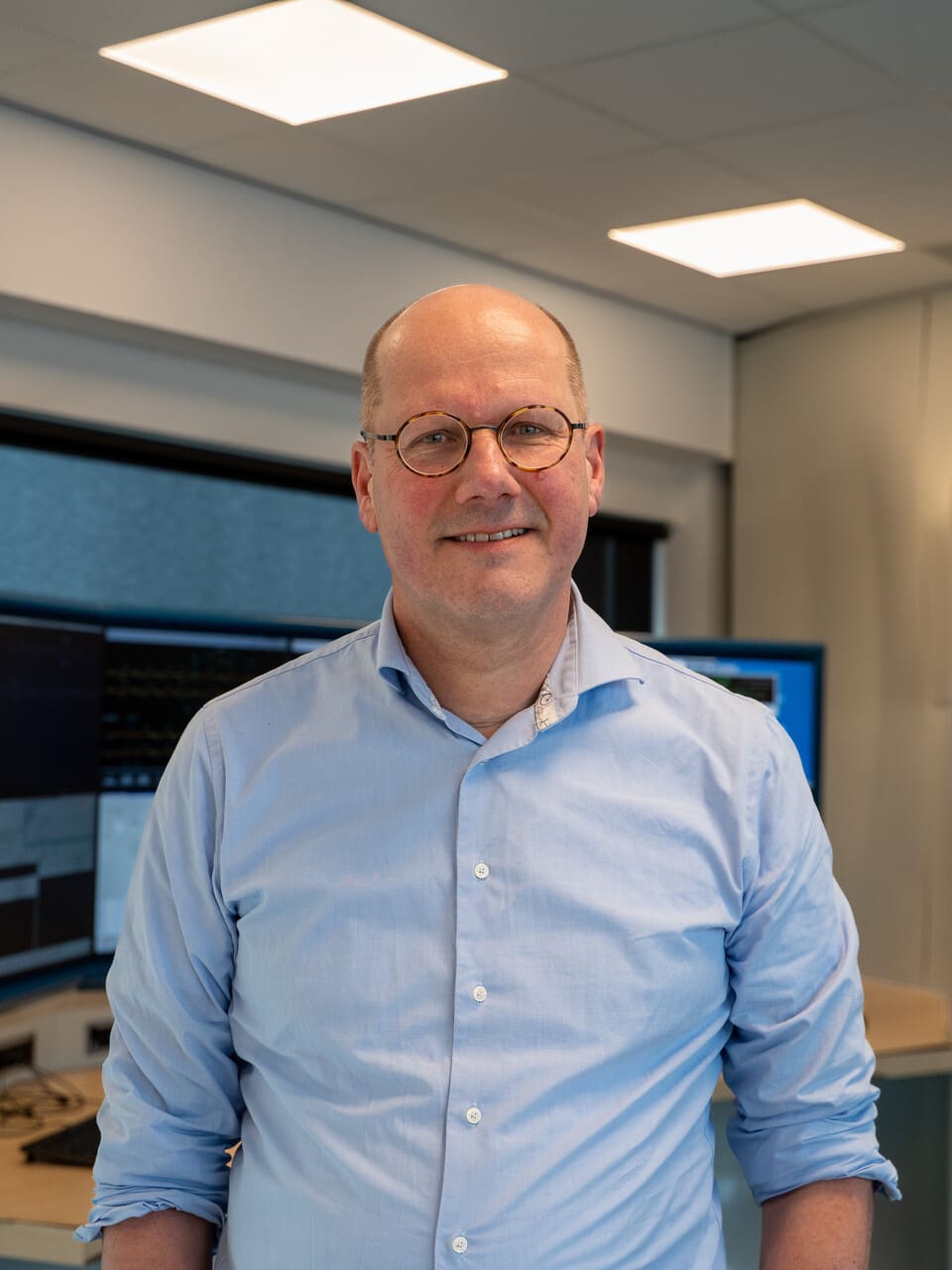
According to Director Henk van Oostveen, that role is very concrete. “Railcenter is the leading training institute for the Dutch rail infrastructure. That means that everyone in the Netherlands who works on or near the railways comes into contact with Railcenter.”
Enrollment and Employability
Railcenter provides education and training at multiple levels. “We offer education and training programs ranging from vocational to university level,” says Van Oostveen. “And we appeal to a broad target group, because our programs are designed so that both recent graduates and career changers can be prepared for the rail infrastructure sector.”
An important aspect of this is that participants not only learn but can also quickly become productive members of the workforce. “We place a strong emphasis on combining work and learning. That makes the transition into the sector much more accessible.”
Amersfoort as the logical choice
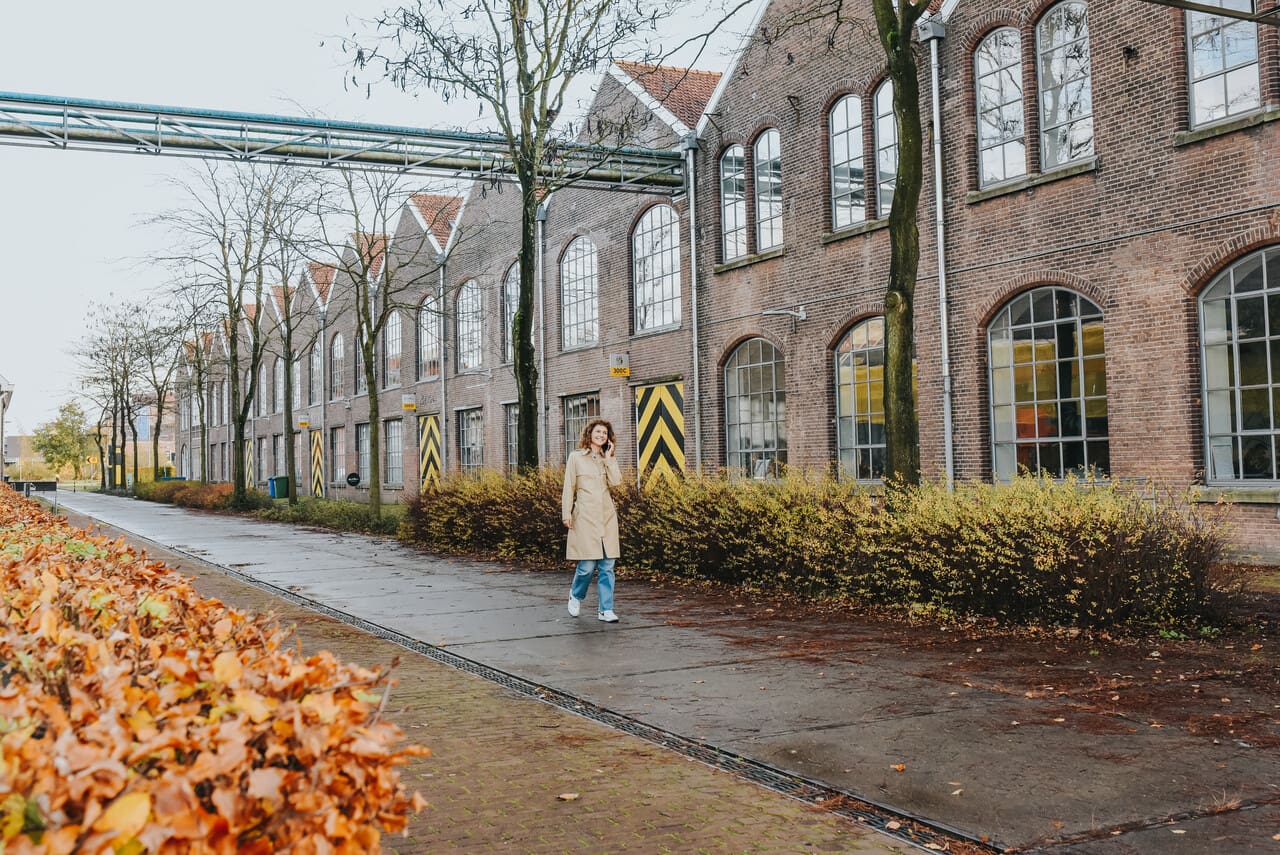
The fact that Railcenter is located in Amersfoort fits well with a sector that connects the entire Netherlands. “Amersfoort is centrally located in the country,” says Van Oostveen. “And the Wagenwerkplaats is a unique environment where railway history and training for the future come together.”
In addition, regional collaboration is a key pillar. “We work together with the municipality of Amersfoort, Utrecht University of Applied Sciences, and MBO Midden Nederland.”
A Practical Critique of Education
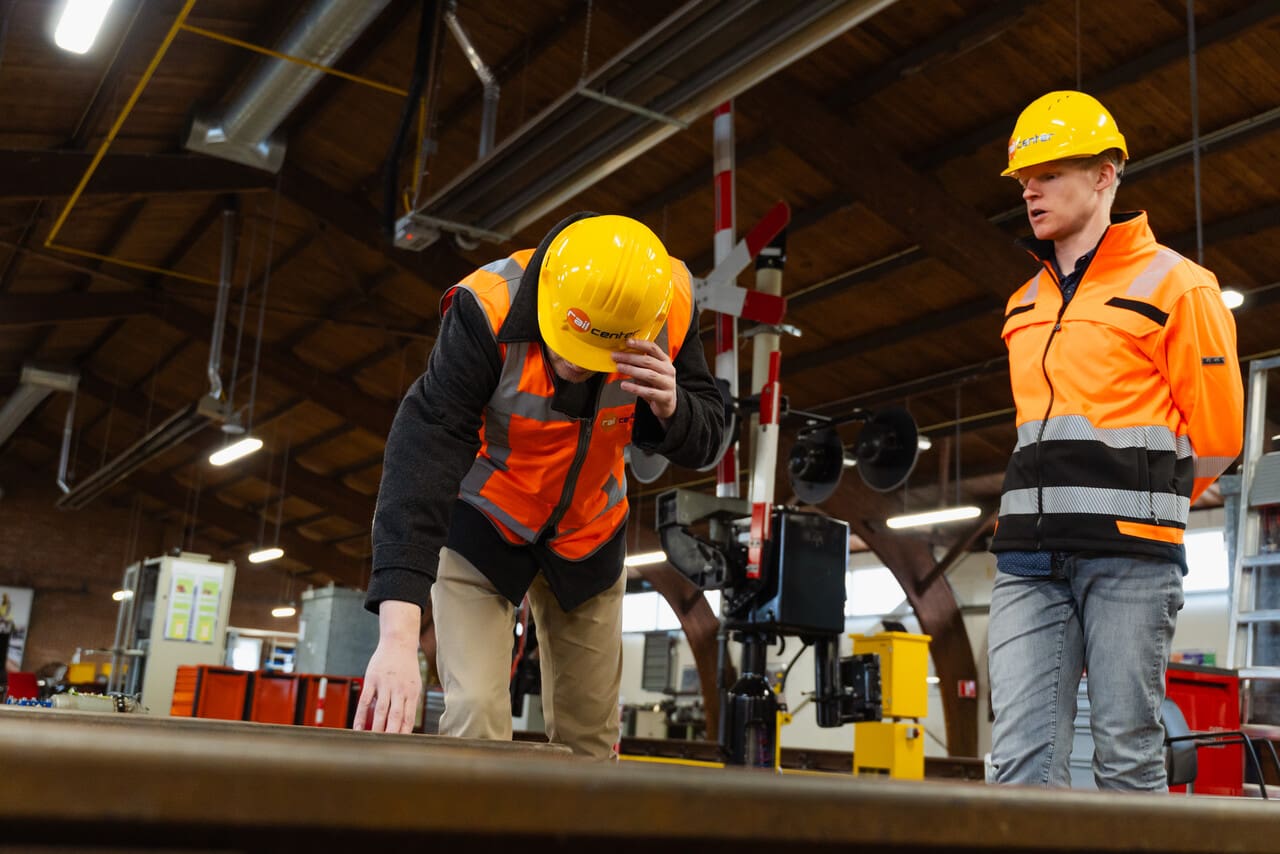
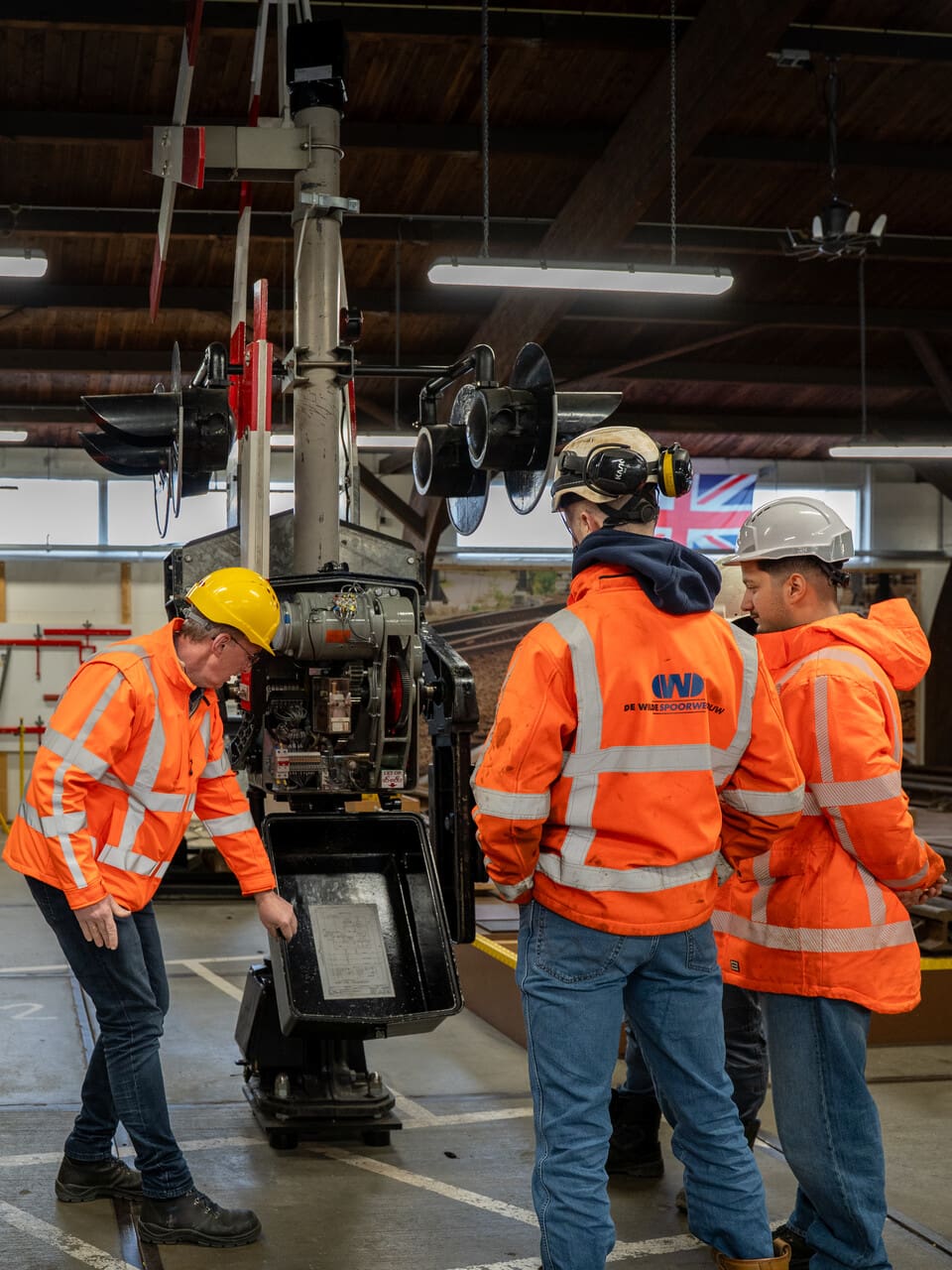
Railcenter serves as the link between education and day-to-day practice on and around the railways. “We collaborate with vocational and higher vocational education programs, contractors and infrastructure companies, government agencies, and industry organizations,” says Van Oostveen. “You can think of us as the practical layer built on top of traditional education. This ensures that educational programs better align with what employers need.”
That connection to the workplace is evident in how we operate. “Our instructors come from the field themselves. We provide intensive guidance to students in the Rail Technology program and develop training courses in collaboration with both large and small players in the industry. This way, we train people for situations they’ll actually encounter in the future.”
Enthusiasm for rail is growing rapidly
Anyone who delves into rail infrastructure quickly discovers just how versatile and technically challenging the work is. Van Oostveen regularly sees that enthusiasm among students and professionals. “Once people get to know the sector, they often stay in it,” he says.
This is also evident from the collaboration with higher education institutions. “A concrete example comes from the Rail Engineering minor: 60% of students continue to work in the rail sector after completing the minor. The biggest eye-opener is just how technically fascinating this world is.”
In this way, Railcenter ensures that the sector not only continues to operate but is also ready for the next generation of rail professionals.

More Entrepreneur Stories

Uncategorized
Business Travel Accommodations
Are you looking for a place to stay for business in Amersfoort?

Education
Young talent needs room to grow
How can we give young talent the opportunity today to make a difference tomorrow?
Entrepreneurship
HydroLogic: Smart Water Management
“HydroLogic is doing everything it can to prevent ‘Amersfoort by the Sea.’”
Education
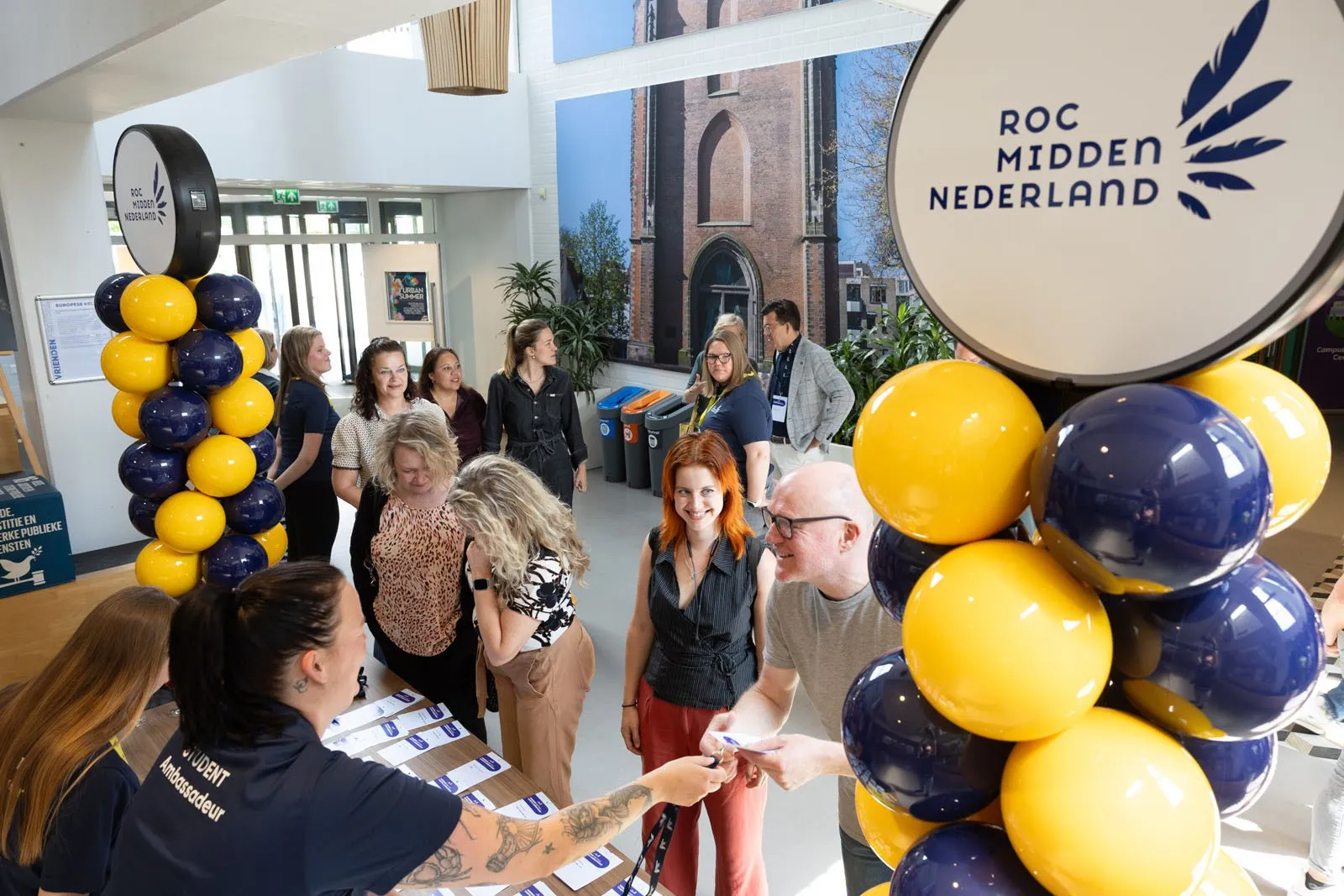
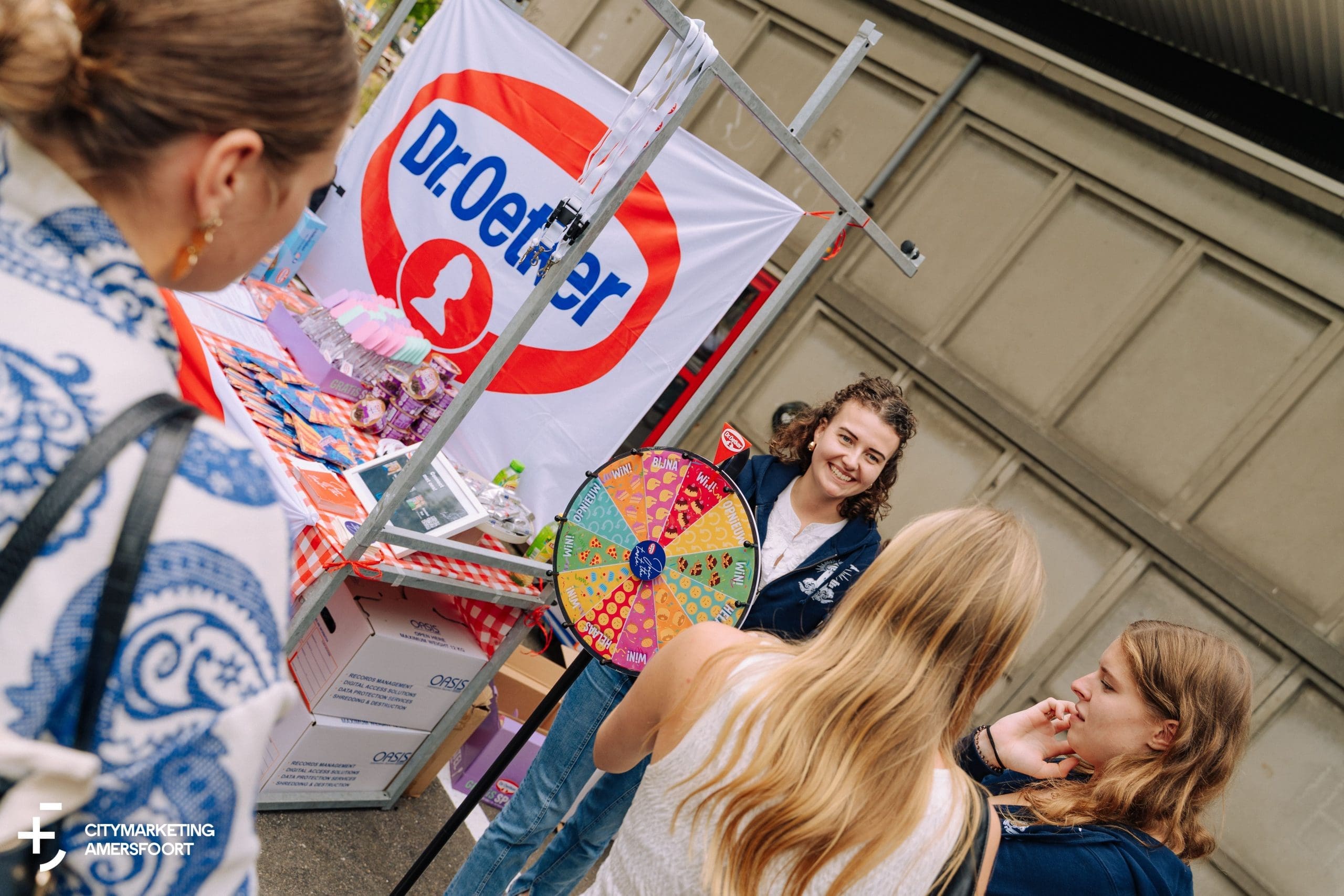
Amersfoort Welcomes New Students and Builds Connections with the Business Community
During KEI-Start Amersfoort, new students explore Amersfoort, meet local businesses, and lay the foundation for their connection to the city.