
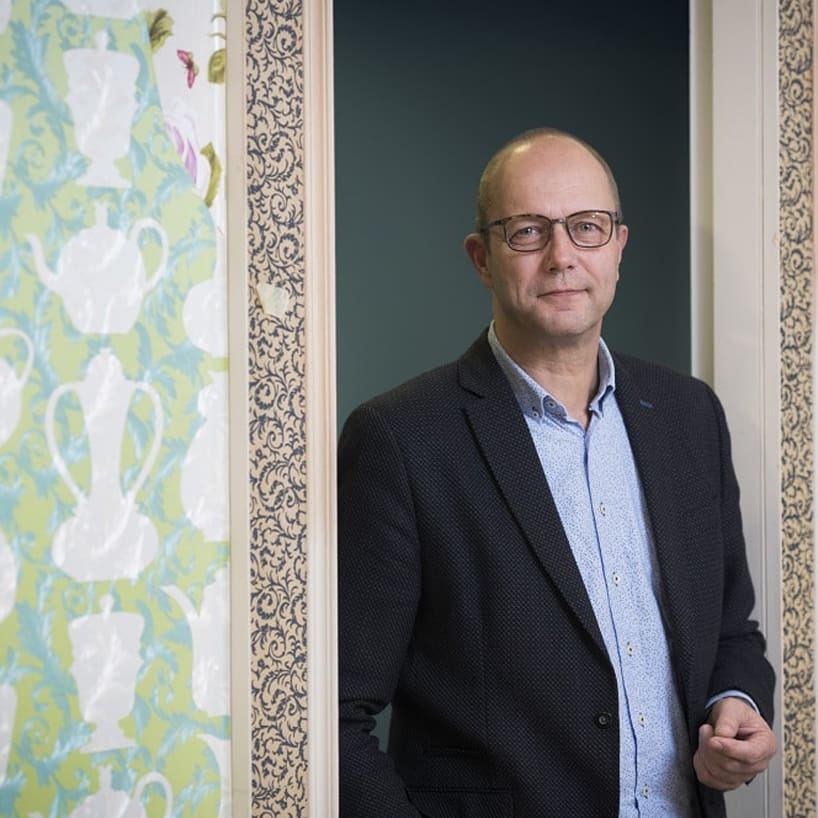
The adjustment period is over; Abbenhuis is now well settled. His “new” adventure with CliniClows has already been underway for a while. How is he—the former head of broadcasting at the NCRV and later at KRO-NCRV—finding this world that was, until recently, unfamiliar to him? “Extremely well,” he says wholeheartedly. “CliniClowns is an incredibly fun organization to work for. That’s the idea I came here with. With my background in business, the public sector, and the media, I was looking for a meaningful challenge in the charitable world. But one where you don’t just raise money for research, but actually deliver concrete products and services that make society a little better. Being able to make an immediate difference, getting your hands dirty, working with people—it all comes together at CliniClowns.”
He found a dynamic organization that, even after 25 years, still manages to put a smile on the faces of sick and disabled children in hospitals, rehabilitation centers, and day care centers. “Meet a clown and you’ll find yourself in another world,” says Abbenhuis. “That’s what we call the power of imagination. Our most important tool. That’s the beauty of CliniClowns: we do our work with as little technical support as possible. It all comes from the clown himself—his imagination, empathy, creativity, and the ability to connect with others.”
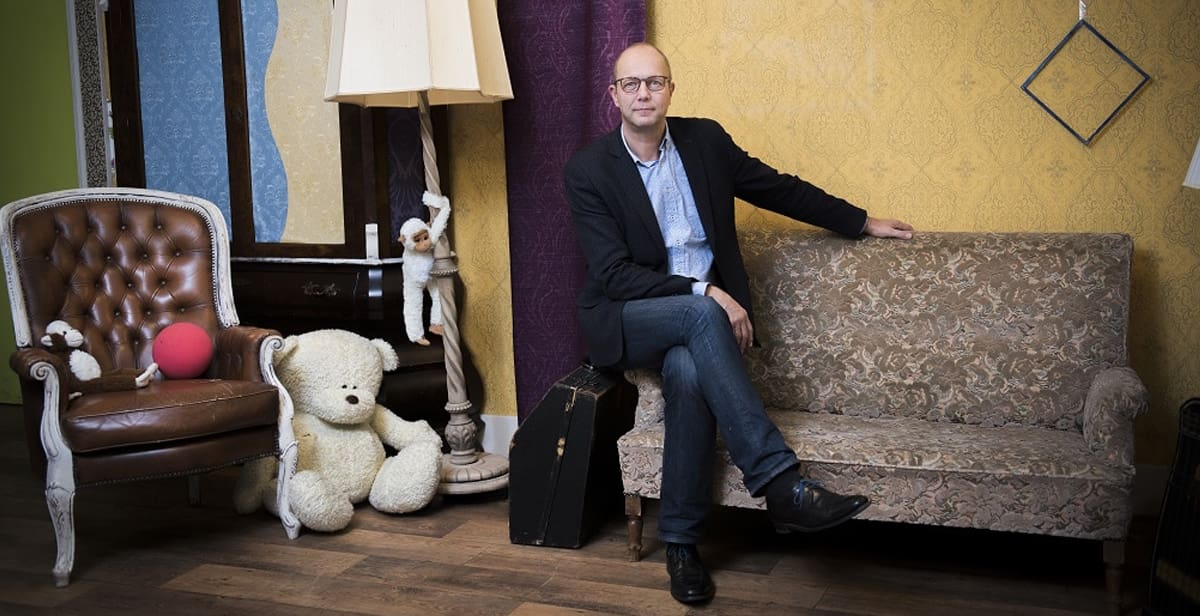
Abbenhuis calls clowning an “applied art form.” “We use the clown as a stylistic device to connect with children. Being in the hospital isn’t fun, even though doctors and nurses do their best. The days are long in an unfamiliar environment, and you might be in pain or feeling stressed. Children have a lot to deal with. So it’s nice to be able to escape from it all for a moment—to get away from the world they’re in. It’s a relief. Whether it’s a little one or a teenager, they join us on a journey of the imagination.”
“Normally, they’re not in control in a hospital, but thanks to a CliniClown, they are,” Abbenhuis continues. “A bed can suddenly turn into a boat. A clown might also suddenly do something completely unexpected—surprise is always just around the corner. There’s a good laugh. Even a brief moment of joy and distraction can make a huge difference for a child. It takes away fear, pain, and stress. The lasting effect is much longer than you’d think. The encounter stays with them for a long time, as a happy memory. And doctors see a more cooperative child. That has been scientifically studied and proven.”
It’s not a gimmick, by the way—not a performance the clown puts on, as Abbenhuis emphasizes. The clowns are consummate professionals who adapt to the situation time and time again. “It’s improvisation, every single moment. Has a child just come out of surgery? Are they anxious? Are their brothers or sisters there? Parents? The clowns always discuss these details in advance with the pediatric care staff. It’s a widespread misconception that CliniClowns are volunteers. They are professionals from the world of drama and theater. They work with a vulnerable group, so they must do so with great care—every single day. It’s rewarding work. Clowns give a lot of energy, but they also get energy and fulfillment in return.”
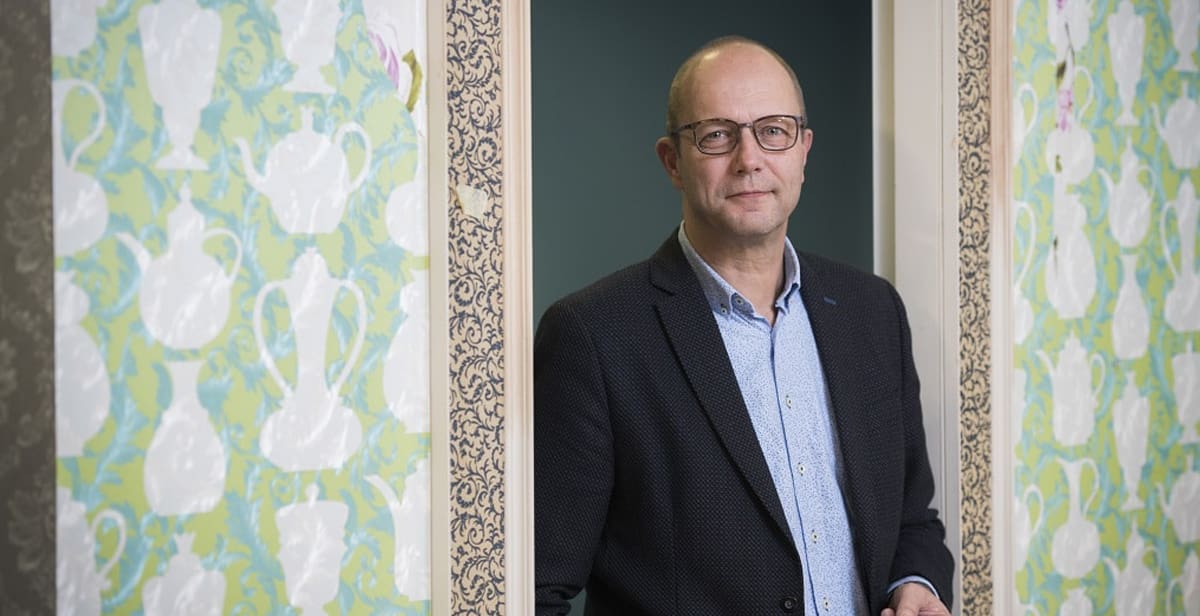
A livable and charming city
Eighty CliniClowns throughout the Netherlands set out to bring joy to sick and disabled children. In addition, the organization can count on the unpaid support of hundreds of volunteers who, for example, provide information and accept donations. At the headquarters in Amersfoort, fifty employees handle the organizational tasks behind the scenes, such as human resources, marketing, and recruitment. The CliniClowns College is also located there, offering a unique theatrical experience for sick and disabled children and their parents.
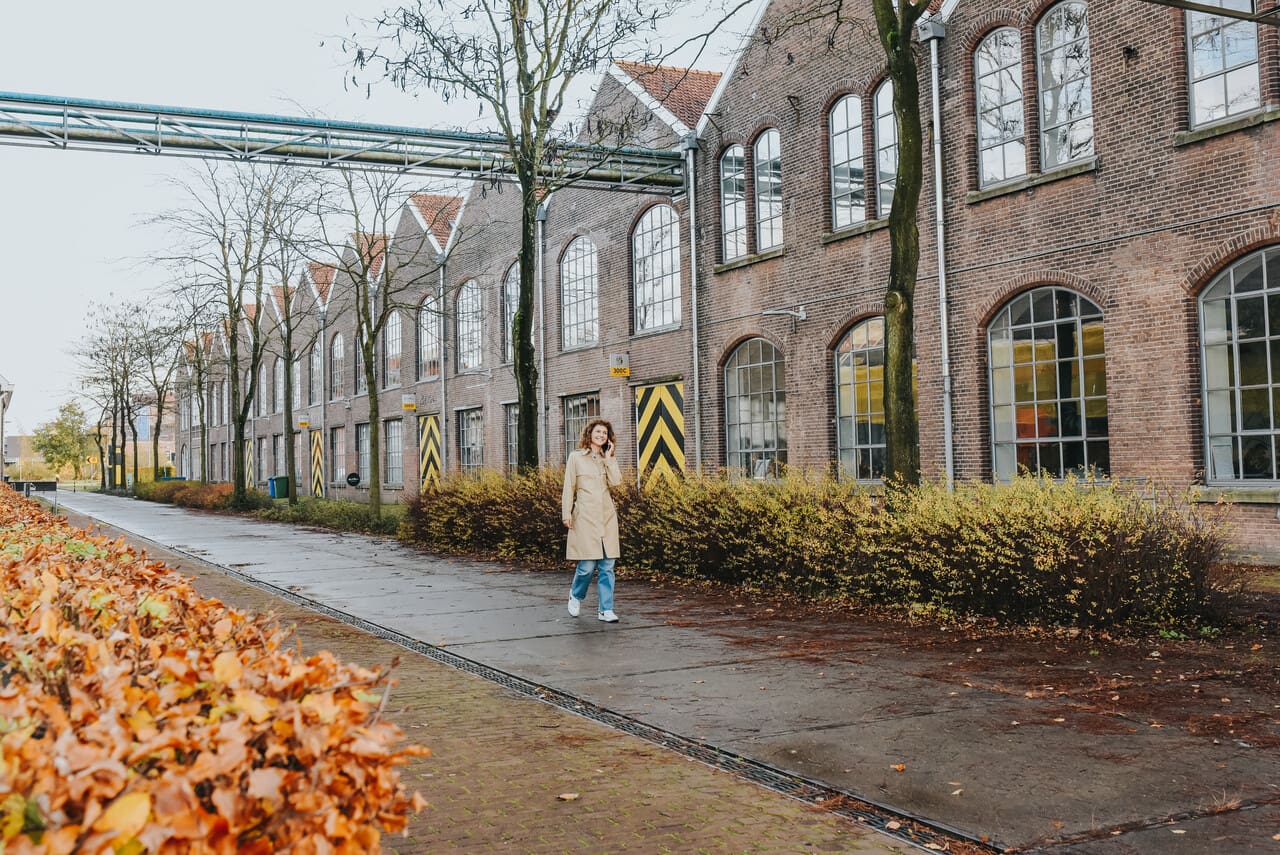
Amersfoort has been home to CliniClowns for many years. The organization was first based on Muurhuizen, then on Johan van Oldenbarneveltlaan, and since early 2010 in the Wielendraaierij at the Wagenwerkplaats—the business and creative heart behind Amersfoort Station, which in a previous life served as a maintenance facility for freight cars. “It’s wonderful that the industrial character has been preserved,” says Abbenhuis. “We’re not exactly in a bland office building or area here. Not that there’s anything wrong with that, but this is more fun. The entire station area, including the Wagenwerkplaats, is designed to foster interaction and offers a great mix of living and working. Add to that the fact that we’re surrounded by fun, creative businesses, and you have a truly wonderful work environment.”
As director, Abbenhuis might also have chosen Amersfoort as the company’s location. “A base in the center of the country is ideal—especially since our clowns, who live and work all over the country, have to come here. Amersfoort is easy to reach by car from all directions, and the infrastructure is good. It’s also a livable city. And what I’ve noticed is that all kinds of initiatives are being developed to maintain and enhance that livability. The city government is easy to reach; entrepreneurs can turn to the Amersfoort Business Team with questions. That’s great—you’re not sent from pillar to post. Personally, I really like that Amersfoort isn’t too big-city-like. It is and remains a charming city.”
He cites the presence of the Huis voor de Gezondheid in the Station District as an advantage. It houses no fewer than 18 health organizations, including the Lung Fund, the Stomach, Liver, and Intestine Foundation, Alzheimer’s Netherlands, and the Mental Health Fund. “We know where to find each other and can easily work together. CliniClowns is a charity, but even more so a social organization that wants to make a difference. Healthcare is an important arena for us, one in which many of our partners are active. One of our biggest challenges lies in the humanization of healthcare. How can we place people even more at the center of the medical world? We can’t do that alone. So it’s good that we’re so close to one another. You could certainly say that Amersfoort serves as a hub within the healthcare sector.”
CliniClowns’ 25th anniversary was celebrated in style, including an event at the Museum der Verbeelding. Abbenhuis enjoyed the festivities but is already looking ahead: “On to the next 25 years!”

More Entrepreneur Stories
Uncategorized
Business Travel Accommodations
Are you looking for a place to stay for business in Amersfoort?
Education
Young talent needs room to grow
How can we give young talent the opportunity today to make a difference tomorrow?
Entrepreneurship
HydroLogic: Smart Water Management
“HydroLogic is doing everything it can to prevent ‘Amersfoort by the Sea.’”
Education
Amersfoort Welcomes New Students and Builds Connections with the Business Community
During KEI-Start Amersfoort, new students explore Amersfoort, meet local businesses, and lay the foundation for their connection to the city.