The goal of the LIVE project is clear: to use innovative digitalization to contribute to climate adaptation, the energy transition, and quality of life in Liendert. This neighborhood, built in the 1960s, is set to undergo a large-scale redevelopment. The consortium of Earth Valley partners is developing, among other things, a detailed water monitoring system and an advanced tree registry to enable the implementation and monitoring of targeted climate adaptation measures. It is also utilizing the 3D Cityplanner. With this tool, participating parties are developing scenarios that enable decision-makers to make choices—such as green spaces versus parking spaces—for the reorganization of public space.
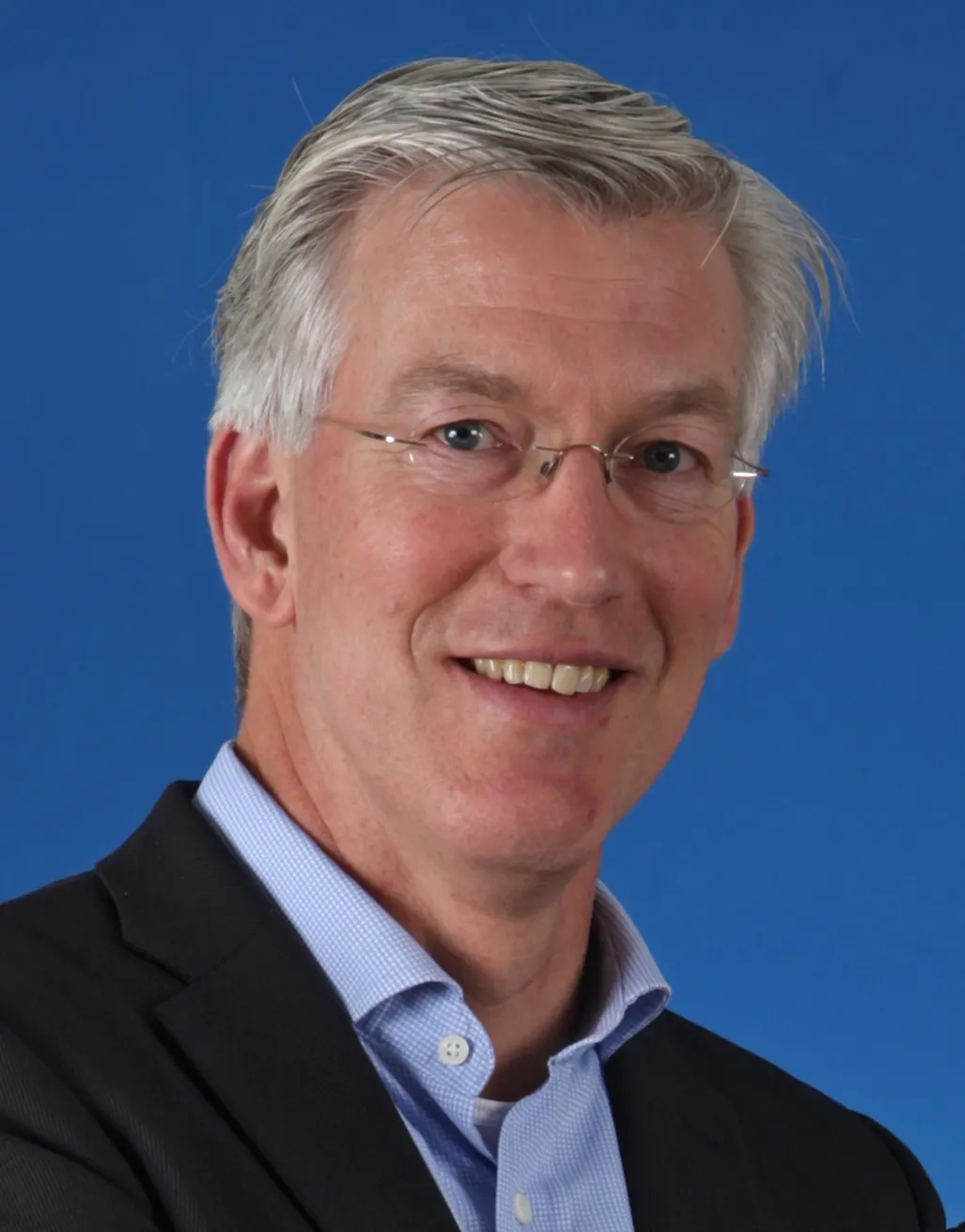
“Redesigning a neighborhood is complex and requires the involvement of many different disciplines,” explains Leon Hendriks, project manager at Aerovision. “Subsurface infrastructure, sewers, energy transition, water management, green spaces, building management, mobility, public participation: there are many issues and ambitions vying for the same space, with numerous stakeholders involved. That’s where the power of LIVE comes into play. By bringing together different needs and visualizing their impact using geoinformation, we can demonstrate how one potential intervention affects another.”
Hendriks puts it in concrete terms: “More parking spaces? Then there’s less room for green spaces. You can’t do everything, so you have to make choices. To support this, we’ve used LIVE to bring together a number of services in a digital twin. This allows us to present scenarios: what happens if we do it this way? Decision-makers can use this to make choices backed by data.’

Intensive Collaboration
LIVE is Earth Valley’s first concrete initiative. Within this ecosystem, data-driven (geo)companies and educational and research institutions along the Amersfoort-Utrecht corridor are working together with the government to address spatial issues. Societal goals such as climate adaptation, healthy and safe living, mobility, and the energy transition drive these issues, and the use of various types of geoinformation can make all the difference. Collaboration within Earth Valley is essential for making smart use of the opportunities offered by digitization and innovation.
That is exactly what is happening within the LIVE project. According to Hendriks, the municipality of Amersfoort is demonstrating its forward-thinking approach by making this redevelopment project available as a “living lab” for the application of innovative ideas. The participating geotech companies aim to fully integrate their individually developed tools and products into LIVE. This requires intensive collaboration among the companies and close coordination with the municipality.
It is an advantage that the collaboration within LIVE is structured as a grant-funded project. Hendriks: “There is no client-contractor relationship between the parties, which ensures a level playing field in the collaboration and room for innovation. The method of financing—not to mention the companies’ own investments—requires commitment from all parties. All of this, combined with the ambition to achieve the desired result, makes this joint effort a unique project.”
Pioneering
This approach serves as a model for future initiatives from Earth Valley. Hendriks: “The strength of a consortium like LIVE is that we can offer an integrated approach to a redevelopment challenge. We’re already seeing the benefits of this. It compels parties to coordinate their schedules and encourages geo-companies to make use of each other’s data. That’s pioneering, because it’s not yet happening on this scale in the Netherlands. It’s also nice to see that companies are very open with one another.”
The participating parties have a strong stake in the project’s success, partly because they have collectively invested 700,000 euros on top of the one-million-euro grant from Kansen voor West. The organizations are learning a great deal from the process of collaboration. “I’m very enthusiastic about it, and so are the other parties,” says Hendriks. “Bringing companies together isn’t that exciting. If we can apply the results of this collaboration to healthy urban living in Dutch municipalities and approach it with innovative techniques, we can add more and more value.”

Scalable
LIVE is scheduled to complete its work for the Liendert neighborhood by the end of 2023. The goal is for this collaborative model to be scalable afterward, so that other companies can join or form new consortia. Hendriks: “There are hundreds of neighborhoods like Liendert in the Netherlands. These are all potential projects for which our concept is well-suited. Many parties can add value to such an initiative. If everyone is open to joining forces—even competitors—then Earth Valley can work very well.”
The LIVE project is co-financed by the European Regional Development Fund (ERDF) Opportunities for West II and REACT-EU as part of the European Union’s response to the COVID-19 pandemic. For more information about the project, visit: https://liendert.live/

More Entrepreneur Stories
Uncategorized
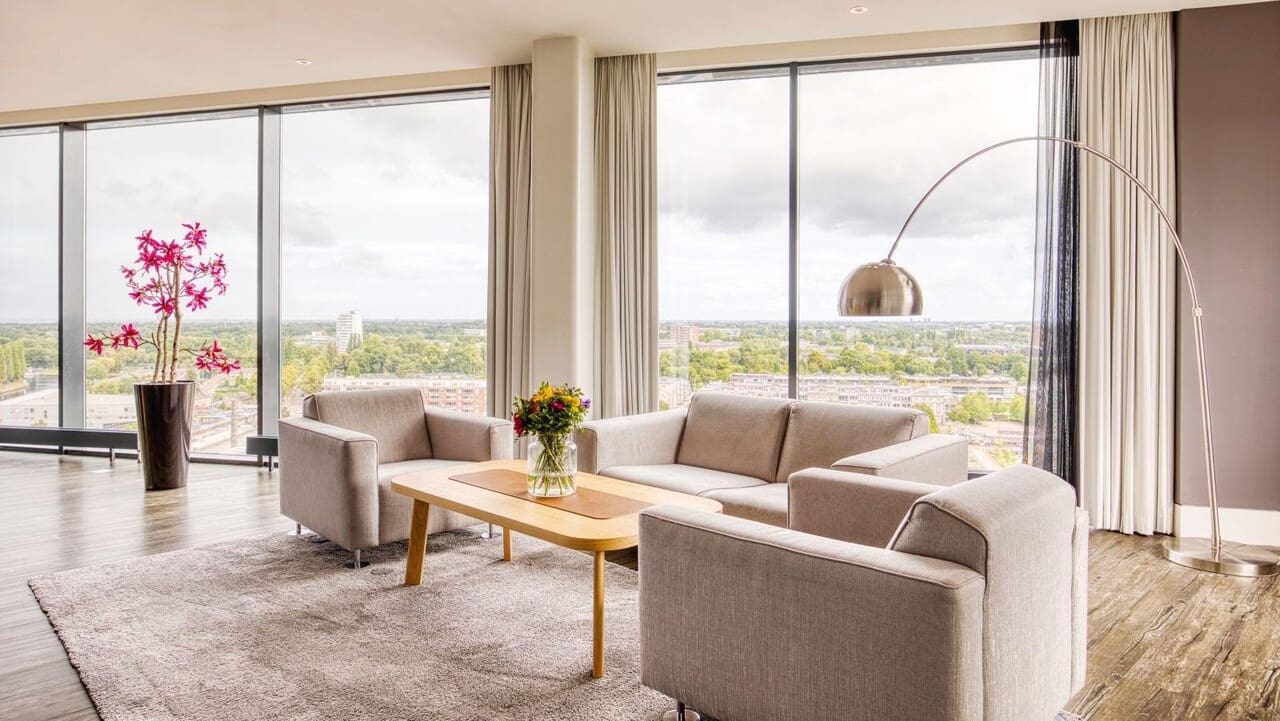
Business Travel Accommodations
Are you looking for a place to stay for business in Amersfoort?

Education
Young talent needs room to grow
How can we give young talent the opportunity today to make a difference tomorrow?
Entrepreneurship
HydroLogic: Smart Water Management
“HydroLogic is doing everything it can to prevent ‘Amersfoort by the Sea.’”
Education
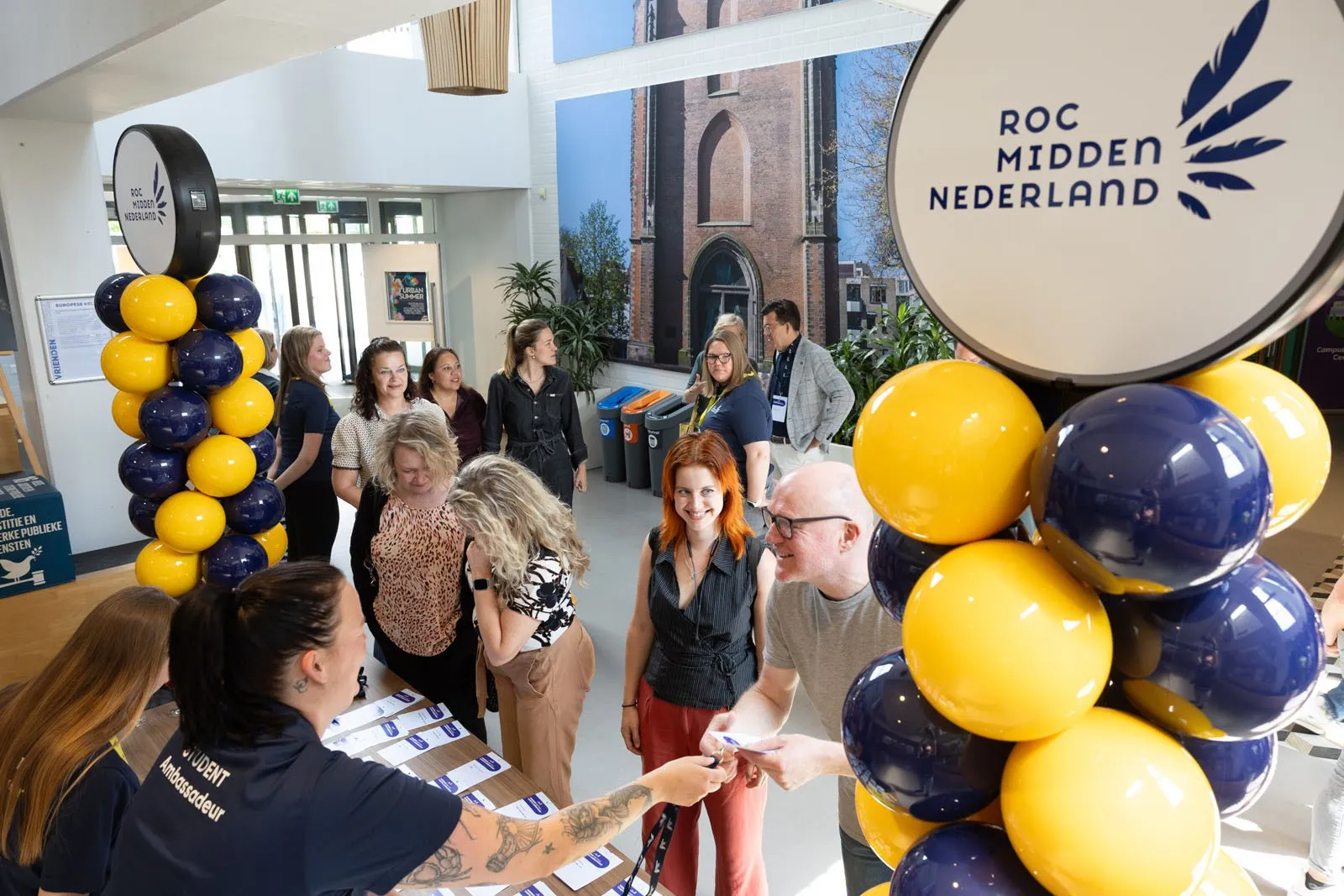
Amersfoort Welcomes New Students and Builds Connections with the Business Community
During KEI-Start Amersfoort, new students explore Amersfoort, meet local businesses, and lay the foundation for their connection to the city.