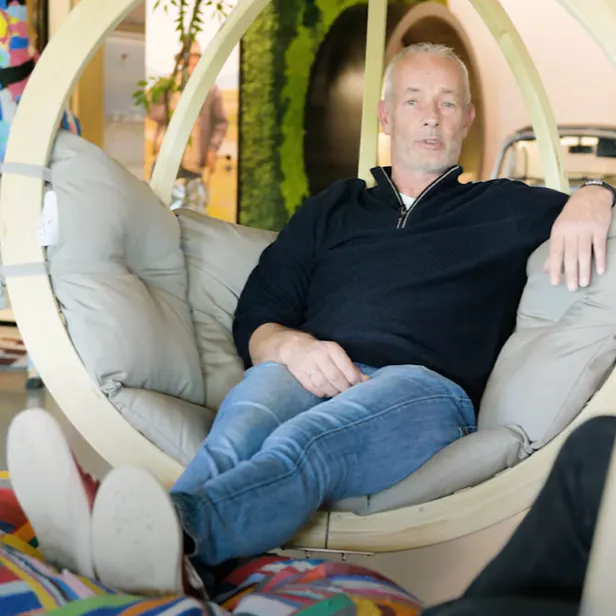
“We only live a very short time on this earth. So you can either think, ‘I’m the most important, and the rest comes after,’ or you can work together with others. We choose the latter. Eight years ago, we made a conscious decision to transform our company into a socially responsible and energy-neutral business. At first, we had our eye on a piece of land in Nijkerk for a new building. My wife said, ‘Yes, but Ron, our building has always brought us luck; we could also renovate it, remodel it, and make it more sustainable.’
“I thought: ‘How are we going to do that?’ My son pointed out the windmill on Barneveldseweg that we bought and renovated in 2002. He said, ‘That’s the simplest example. The windmill used to run on wind and produced the most food.’ People lived off what the mill produced.” He added, “Dad, every decision you’ve made as an entrepreneur was based on intuition. You never asked yourself what it would cost or what it would yield. So I thought: I’ll just go for it.”
Transition
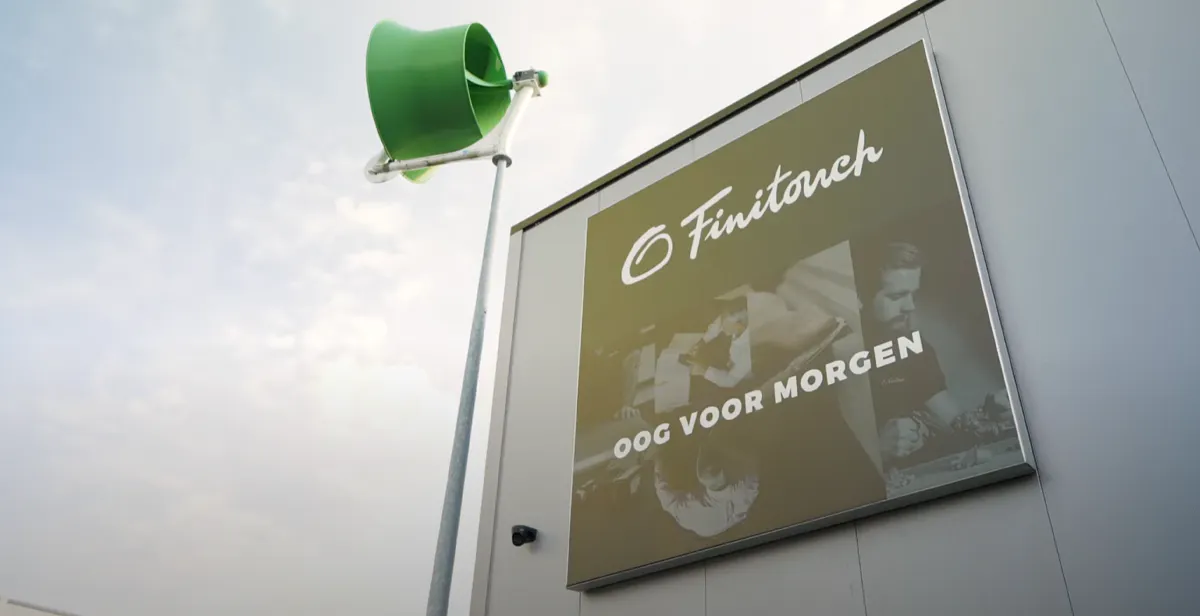
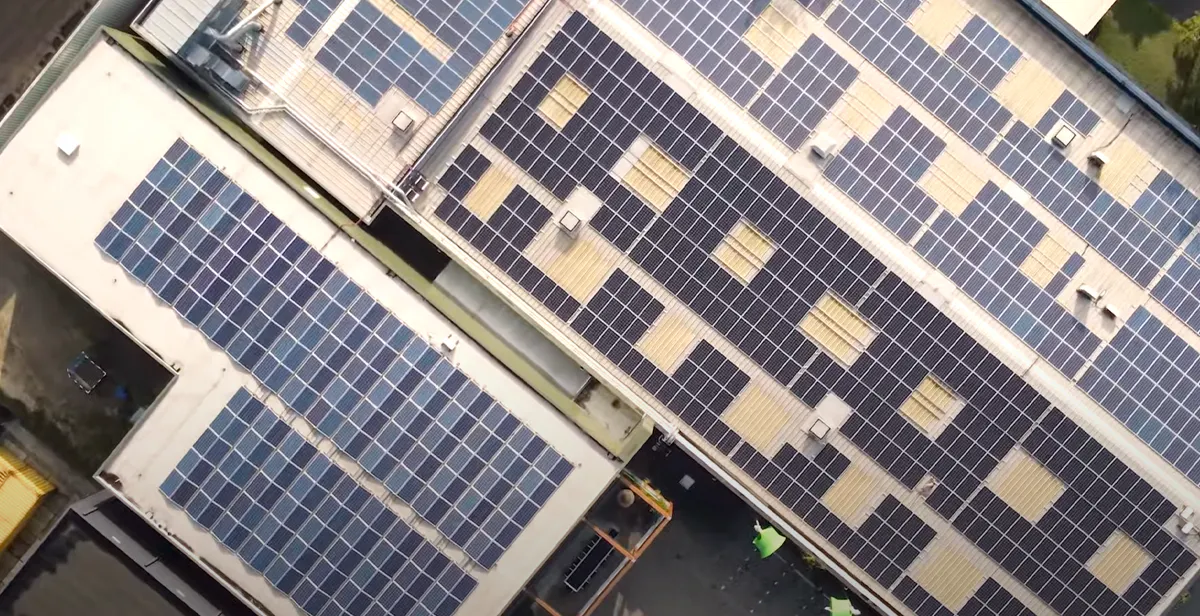
“And look at us now: we have over 1,300 solar panels and 5 wind turbines on the roof. They generate 260,000 kilowatts annually, compared to our consumption of 240,000 kilowatts. What’s more, we reduce our CO2 emissions by 30,000 kilograms per year. That’s no small feat for a manufacturing company with large production halls where we custom-make interior pieces.”
“Making the switch also meant we had to upgrade our machinery with more energy-efficient models. Our compressor used to run all day long; now it only runs five times a day. It only turns on when necessary. I’m glad we were able to pull off that transition.”
“There’s more to socially responsible and sustainable business practices. All our stock is PEFC-certified. For every tree we cut down, two are replanted, and we stay away from rainforests. I believe that if you’re doing well, you should give something back to society. We’re a shareholder in KiKa, the main sponsor of the Dank Helden van de Zorg Foundation, and every year we seek out a local cause to create a nice space—such as a hospital or an organization for people with disabilities—with a donation of 30,000 euros.”
Feeling Good
“We don’t forget about our own people, either. For example, they can use electric scooters and bicycles, and we’ve set up a fitness room at our company. We work out every week—right now, for instance, we’re doing boxing clinics. Here’s how we see it: people perform best when they feel good about themselves. It does cost quite a bit annually, but our absenteeism rate is less than one percent.”
“What does all this bring? A really good feeling. I’ve always been fortunate; I’ve been able to build a great business that makes us happy. So it’s nice to be able to give something back.”
More Entrepreneur Stories
Uncategorized
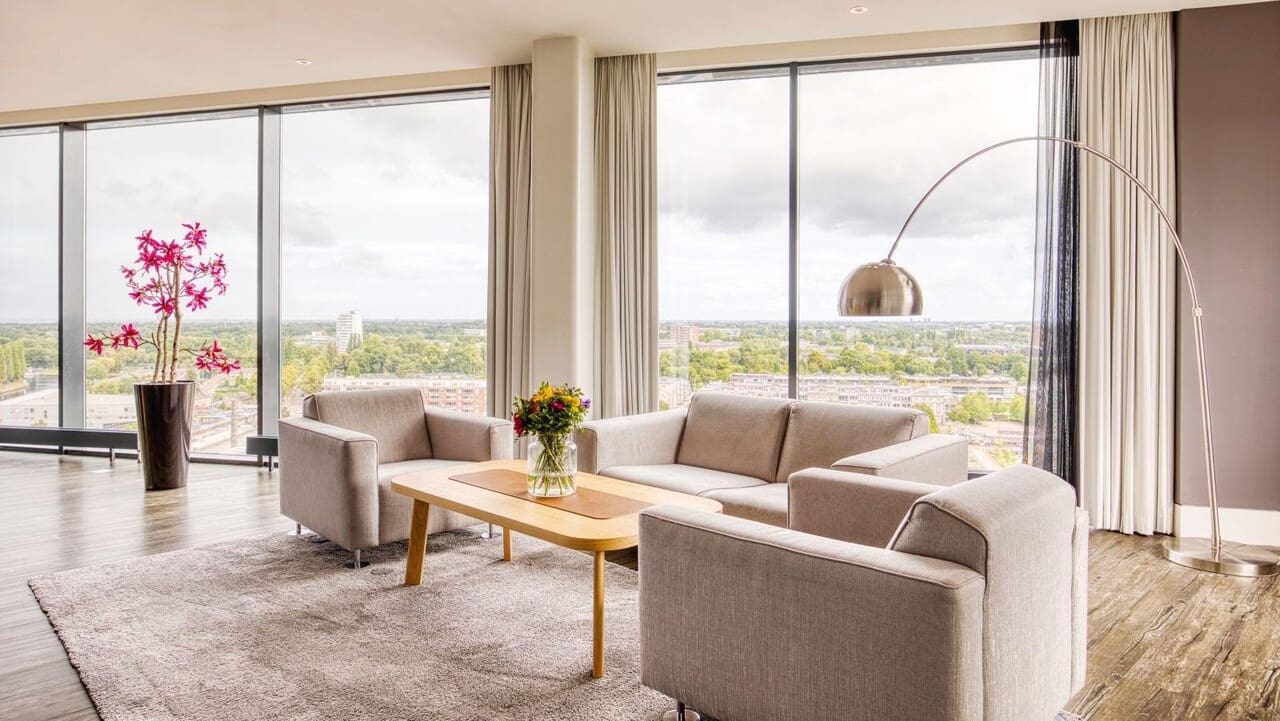
Business Travel Accommodations
Are you looking for a place to stay for business in Amersfoort?
Education
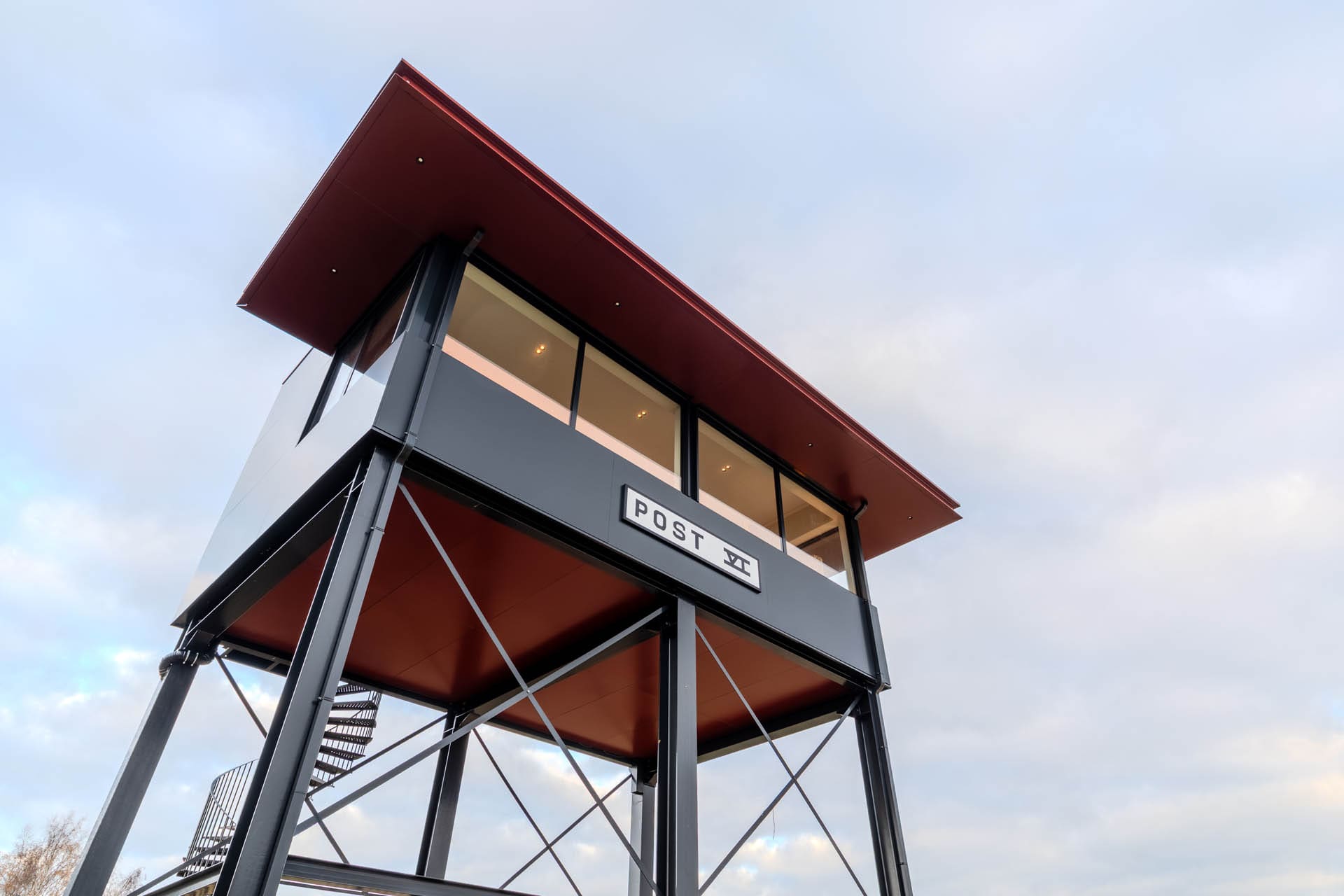
Young talent needs room to grow
How can we give young talent the opportunity today to make a difference tomorrow?
Entrepreneurship
HydroLogic: Smart Water Management
“HydroLogic is doing everything it can to prevent ‘Amersfoort by the Sea.’”
Education
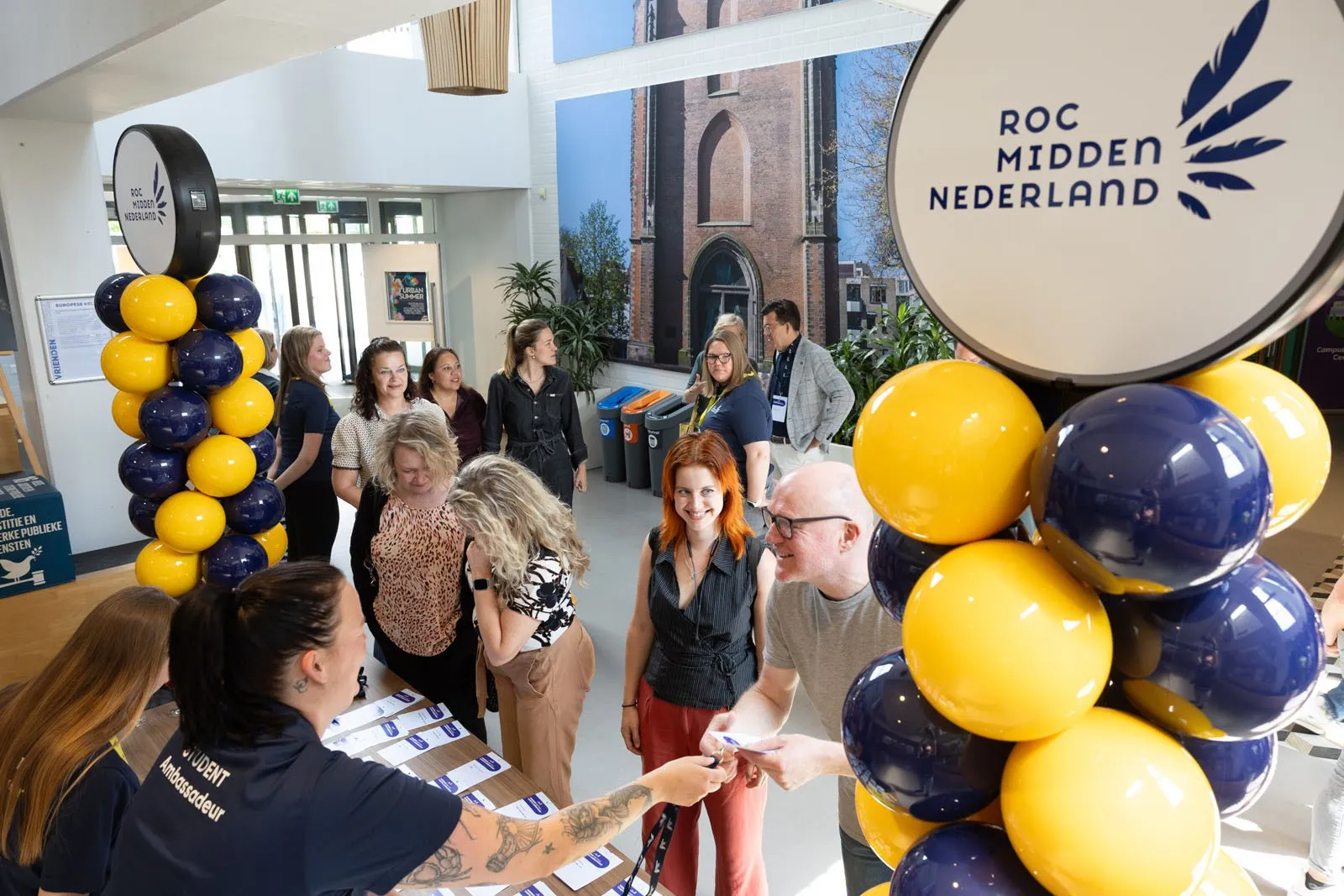
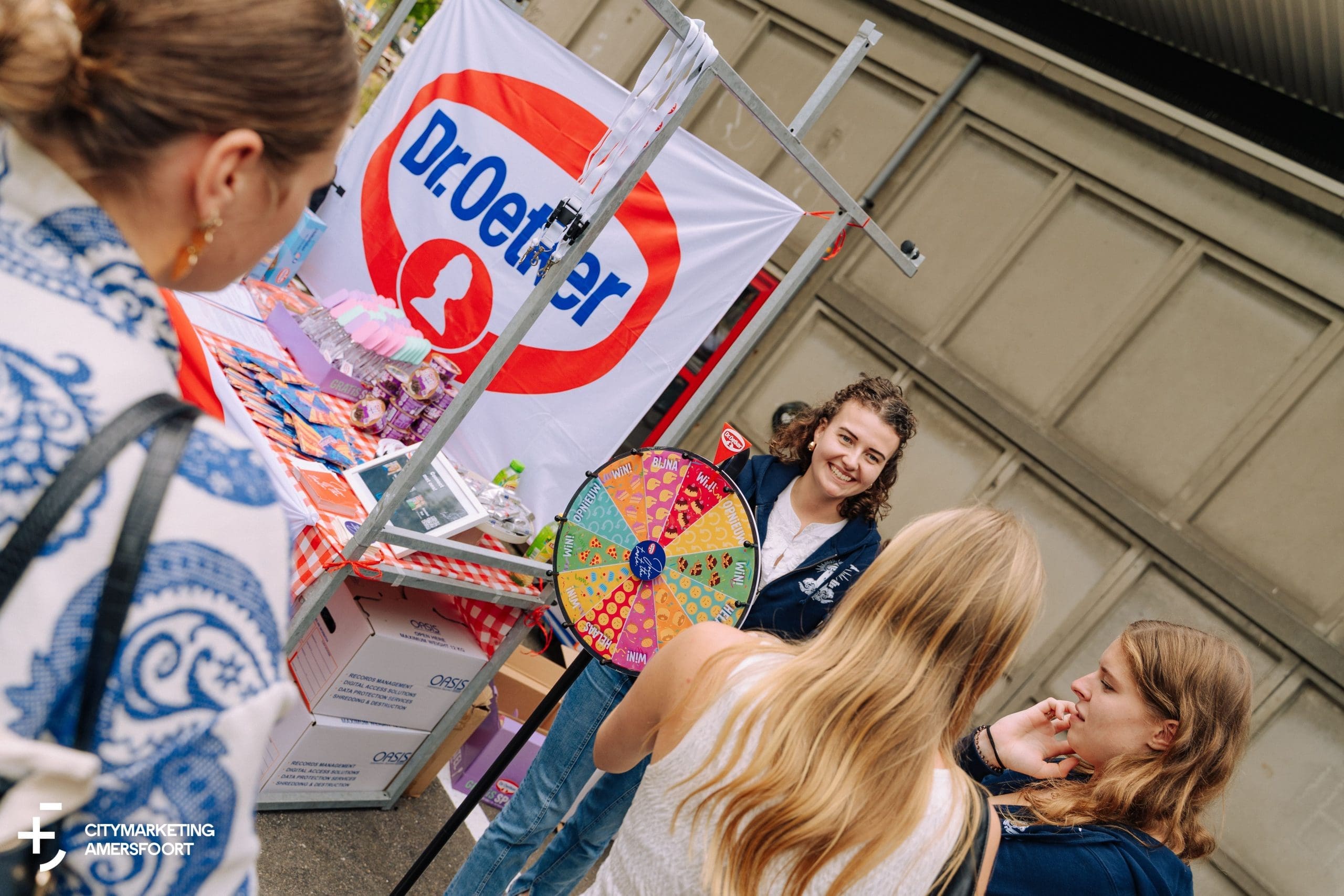
Amersfoort Welcomes New Students and Builds Connections with the Business Community
During KEI-Start Amersfoort, new students explore Amersfoort, meet local businesses, and lay the foundation for their connection to the city.