
Dosker commutes daily from Bussum to Amersfoort. It’s certainly no hardship. “Amersfoort is even more beautiful than you might think at first,” he says. “I’ve come to really appreciate this city—not only for its historical beauty, but also because it has so much to offer in terms of cultural heritage. The city actively contributes to that. Take Mayor Lucas Bolsius: he’s really committed to it. He comes here to visit. He listens, gathers ideas, and brings people together. I certainly haven’t come to know the people of Amersfoort as the type to pat themselves on the back. They don’t shout from the rooftops about the fact that so many heritage organizations are based here. But it’s steadily growing in that typical Amersfoort way.’
Of course, all those companies choose Amersfoort for a reason, Dosker notes. “In addition to the presence of many heritage organizations, the geographic location is perfect for a nationally active organization like ours. And public transportation! It’s really well organized here. We’re right near a train station. The National Restoration Fund was previously located in Hoevelaken. Accessibility by public transportation is just a bit trickier there. Hoevelaken is also beautiful—especially green—and the organization functioned well there, but when this opportunity arose, I think the decision to move to Amersfoort was the right one. We enjoy working here in the former building of life insurance company Levob, which exudes a kind of modern professionalism that suits us well.”
Dosker points to the sculpture on the awning at the entrance. The work by artist Pieter Starreveld depicts a family, with the enlarged mother in a protective role. “That’s exactly what this building, combined with that new objectivity, still conveys. We’re right at home here. Many of our employees are also from the surrounding area. Amersfoort really feels like our city now.”

Monuments That Are Alive and Well
If Dosker has his way, the former Levob building in Amersfoort will be transformed into a heritage center. In addition to the National Restoration Fund, the National Green Fund—which is dedicated, among other things, to green heritage—is also based there. And Dosker is hoping for the arrival of another great organization from the field. “There’s still one empty floor. Any organization could set up shop there, but wouldn’t it be wonderful if this became a home for heritage? That would fit perfectly with this city. And this building is already a meeting place for organizations in our field. For example, the monument preservation officers hold their meetings here, as do some municipal heritage support centers.”
Amersfoort can rightly call itself a heritage city, Dosker believes. “You might say: there are other cities with many monuments. That’s true. For example, Deventer, Dordrecht, and Amsterdam are major cities with many monuments. But what they aren’t is a place where so many heritage organizations are active. That combination—plenty of heritage, plenty of heritage organizations, and literally right in the middle of the country—makes Amersfoort unique. With a municipal administration that’s truly committed to it. You can make nice slogans about it, but you actually have to do it. Our contacts with the Amersfoort Business Team really help us move forward. That nicely fulfills the role of bridging the gap between conducting business and serving Amersfoort’s public interest. They always respond quickly and with genuine engagement—very hands-on. That’s what you need to ensure smooth collaboration between the municipal administration and a company like ours.”
Amersfoort as a hub for heritage organizations—what does that mean for the National Restoration Fund? Dosker: “The lines of communication are short, both literally and figuratively. If I want to speak with Staatsbosbeheer—which happens regularly—I can get there by bike or even on foot. The same goes for the Cultural Heritage Agency of the Netherlands. Recently, we hosted a meeting at our office for owners of historic buildings. They wanted to meet each other in person. Well, we’re perfectly positioned here in the center of the country to facilitate that. But on top of that, we were able to easily invite someone like Flip van de Burgt from the construction and restoration firm Van de Burgt & Strooij to give a presentation. We ourselves talked about buildings for which we’ve arranged financing. And then we walked over to the Mariënhof, a beautiful historic building that’s currently being restored. That’s when you see how easy collaboration becomes when you’re so close to one another.”
The National Restoration Fund has been in existence for over thirty years. It has since become the national expert in monument financing. “Living, breathing monuments—that’s what we’re committed to every day,” says Dosker. “There’s little point in simply preserving a pile of stones. Monuments need users and need to be experienced. We’re here for—future—owners who need an expert partner in the field of historic preservation. For most people, purchasing a historic building is a once-in-a-lifetime event. How do you go about it? What should you look out for? What financial instruments are available? We share that information. Since our founding, we’ve already helped 12,000 owners in this way.”

“We have a great deal of expertise in repurposing and making buildings more sustainable,” Dosker continues. “And in many cases, we’re able to offer a favorable loan or point people toward a grant. We do this in consultation with government agencies. We’re here to implement their policies, but ultimately we do it for the public as a whole. Not everyone is the lucky owner of a historic building. So our shared goal is to ensure that as many people as possible can enjoy them. My credo throughout my career in the business world has been: serving the public interest in a businesslike manner. I find that to be the case par excellence at the National Restoration Fund. We are literally a bridge between government agencies that want to achieve something, owners who need something, and the public that wants to enjoy these monuments.”
Sharing stories. That’s something the National Restoration Fund also loves to do. “Stories are what make it happen. Because when people hear the story behind a historic monument, they become passionate about it.” What does this church mean to this area? What has this centuries-old building housed over the years? We share stories like these, for example, through our websites monumenten.nl, hartvoormonumenten.nl, and herbestemming.nu. As the Restoration Fund, our greatest strength lies in personal contact. Our account managers travel all over the country, sitting down with people at their kitchen tables. That way, you can provide targeted help. So it’s really great that we’re centrally located and work in a city that cares deeply about monuments.”

More Entrepreneur Stories

Uncategorized
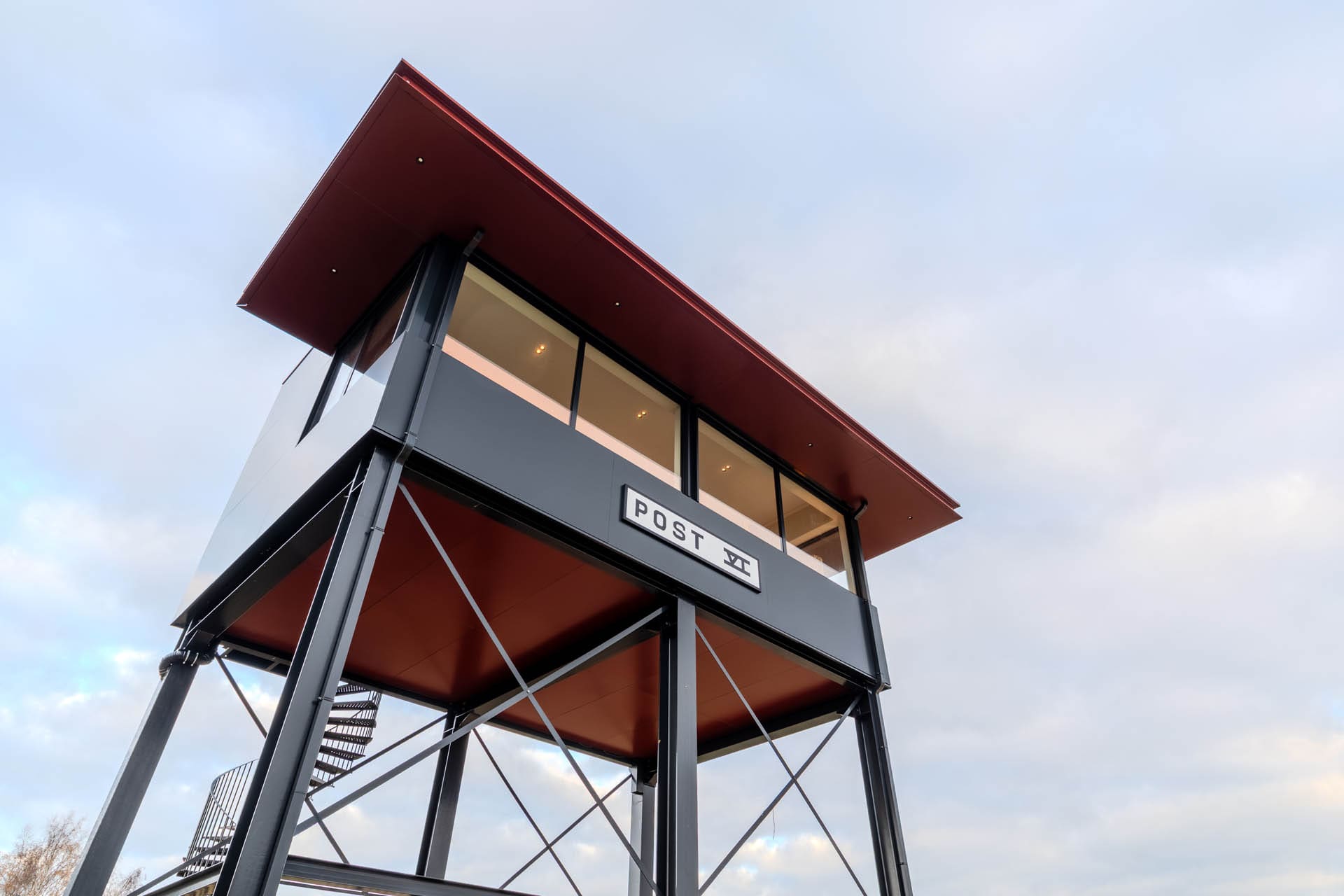
Business Travel Accommodations
Are you looking for a place to stay for business in Amersfoort?

Education
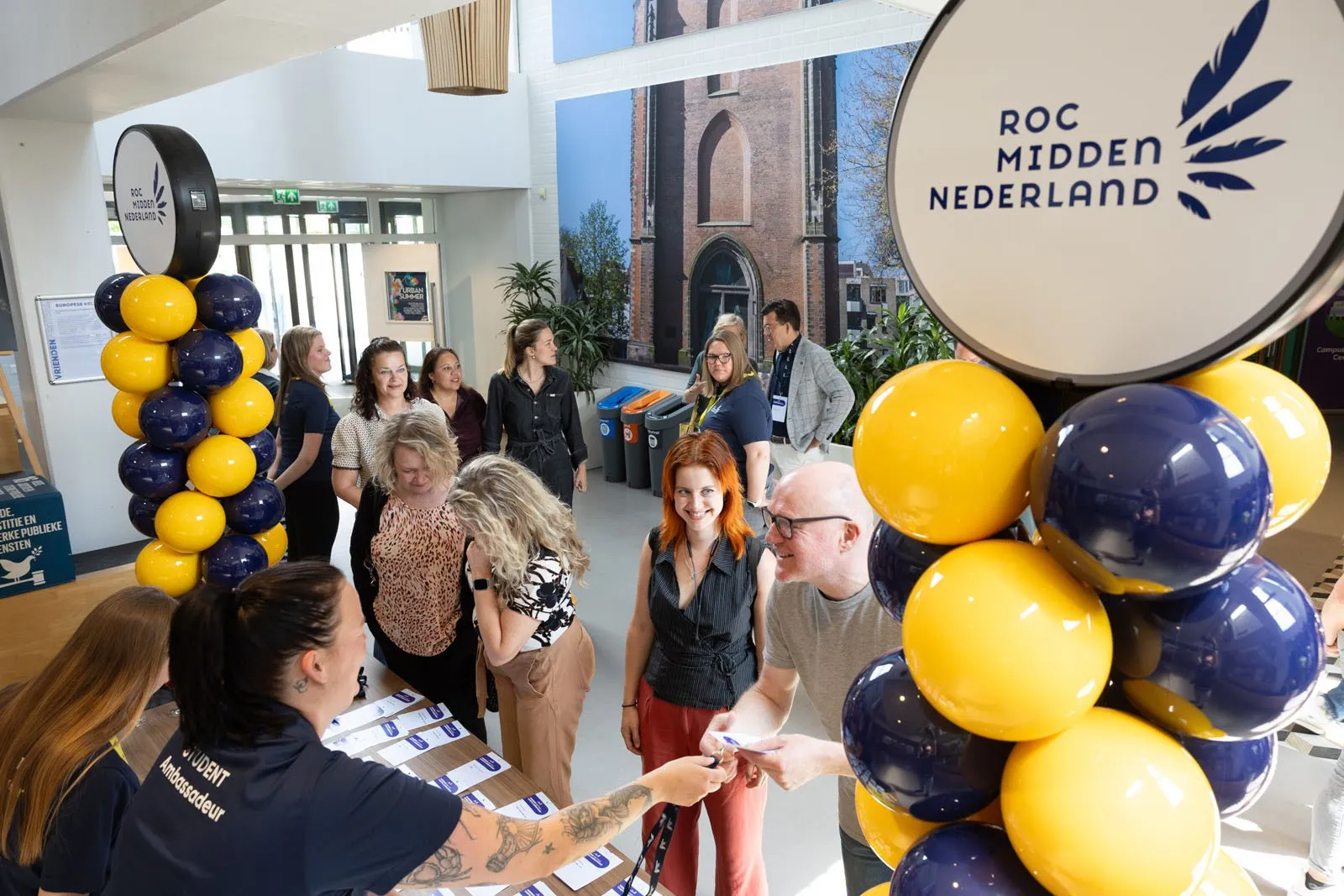
Young talent needs room to grow
How can we give young talent the opportunity today to make a difference tomorrow?
Entrepreneurship
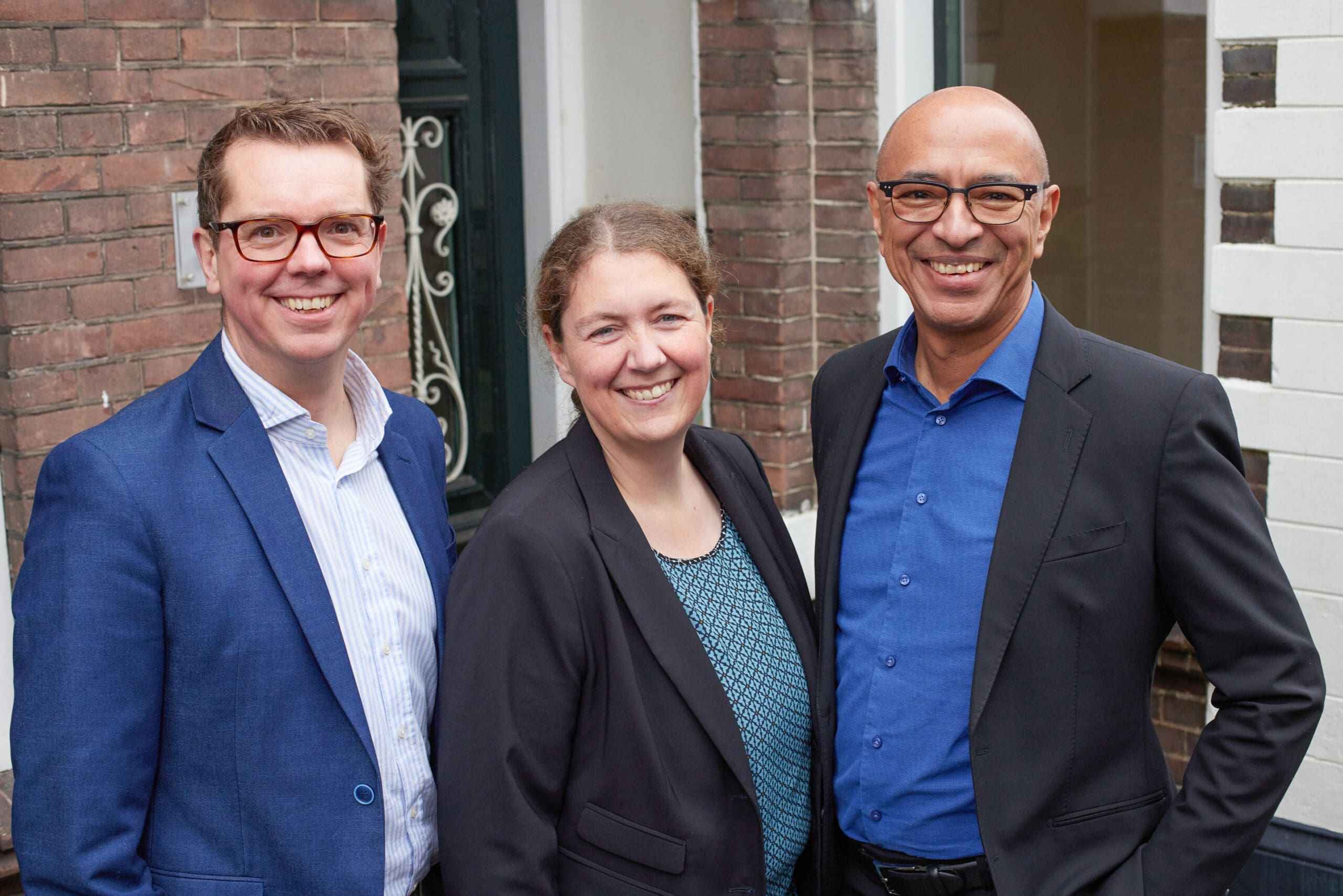
HydroLogic: Smart Water Management
“HydroLogic is doing everything it can to prevent ‘Amersfoort by the Sea.’”
Education
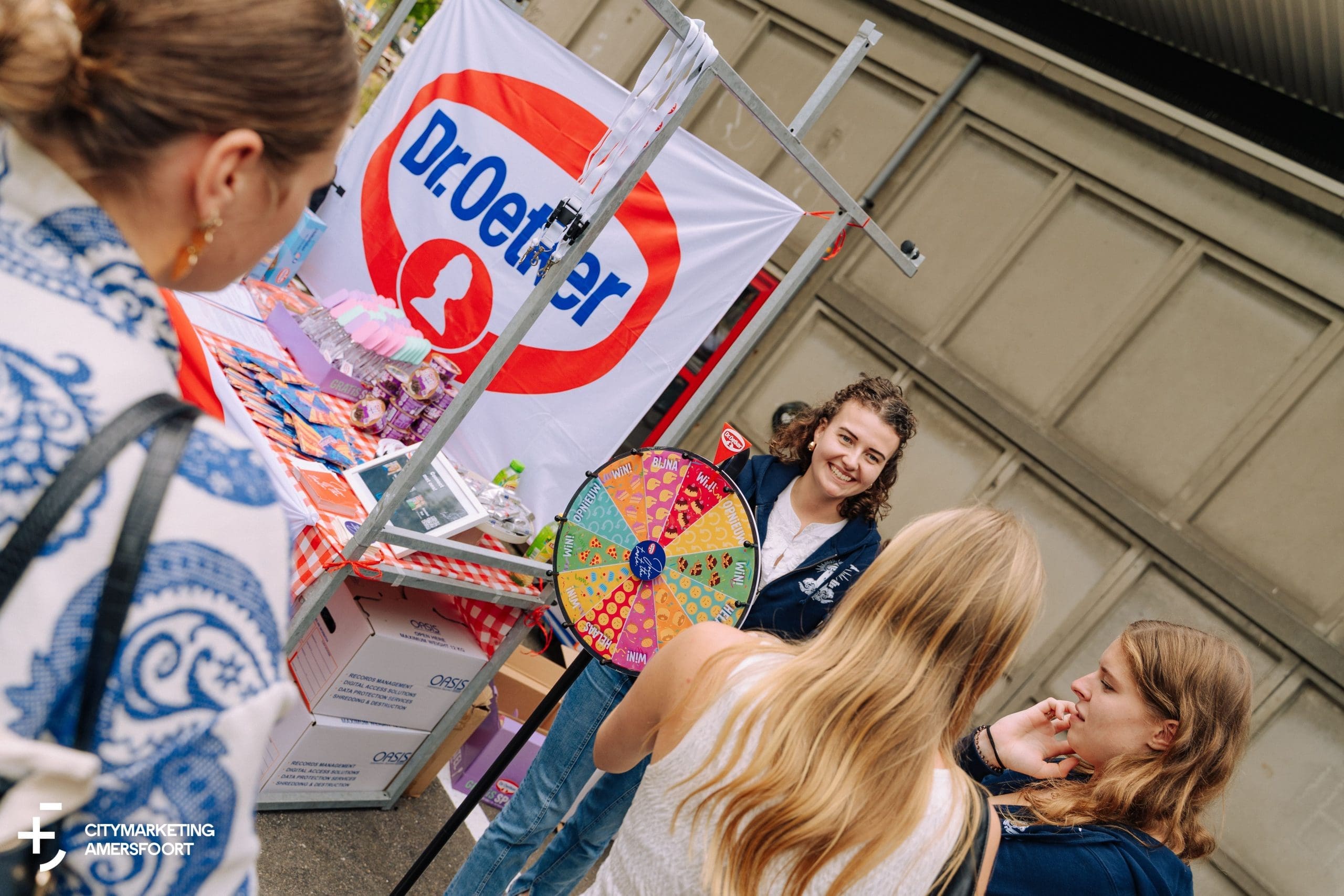
Amersfoort Welcomes New Students and Builds Connections with the Business Community
During KEI-Start Amersfoort, new students explore Amersfoort, meet local businesses, and lay the foundation for their connection to the city.