“Because we, as the province of Utrecht, strongly believe in innovation clusters. The world is facing societal challenges that are so vast—just consider the energy transition and climate adaptation alone—that we can only solve them by sharing knowledge with one another. Fundamental knowledge from educational institutions and expertise from organizations—such as those represented by the gentlemen at this table—that innovate and implement solutions. Of course, we can’t be good at everything, and yes, we’re part of the Netherlands, but it’s nice to be able to say: this area of expertise comes from this part of the country. For example, it’s very clear what Eindhoven, as Brainport, excels at. We’ve analyzed the areas of expertise in the Amersfoort and Utrecht region, and it turns out that the knowledge present here is strongly concentrated around geodata and spatial knowledge. That knowledge is so advanced in this field that I believe we can be a global player in it. And so, with that, we can also contribute to a world where life is pleasant and healthy, now and in the future. I believe in that, so I want to invest in it.”
Van Daal: “We’re very pleased about that. The kickoff meeting in October gave a great boost to the establishment of Earth Valley. Companies in the region are reaching out and eager to contribute.”

That's thinking big. Where are the best opportunities?
Photo: Photo: Erik Oostwegel (left) & Robert Strijk (right)
Strijk: “If you look at our economic policy, we have three main pillars: innovation, talent development, and spatial planning guidelines. But it all starts with a goal. And that goal is our belief that, even twenty, thirty, or forty years from now, this should still be a fantastic province to live, work, and thrive in. That’s true today, but it won’t automatically remain so over such a long period. For part of that challenge, we want to be the region where we devise and develop solutions. With Earth Valley, we’re taking a position that we believe sets us apart in the Netherlands—and perhaps even the world.”
Strijk: “The transition from fossil fuels to renewable energy, climate adaptation, and water management—to name a few. These examples alone are so significant and complex that we need to further develop our knowledge in these areas. During our preliminary meeting, I heard Erik talk about traffic issues and how we can easily improve traffic flow by more than 25 percent using smart digital technologies, without laying any additional asphalt. We’re in this together when it comes to these kinds of challenges. How can we cherish the scarce space we have in the Netherlands for the sake of nature while at the same time making the best possible use of it together?”

What does that look like in practice?
Photo: Robert Strijk, Anton van der Sanden, Wouter van Daal, Camiel Weijzen
“I can really relate to this. It’s great that the province is taking a similar stance. These are area-specific, land-use challenges on a massive scale. The Paris Agreement was signed in 2015, but we can all see that things aren’t going well, so we need to step up our efforts. For ourselves, but especially for our children’s children, so that they’ll have a pleasant place to live in the future. By that I mean, for example, the energy transition, the mobility transition, housing challenges, and the replacement and renovation projects for infrastructure. We’re good at this, and we recognize that it’s crucial to bring things together—to tackle challenges not in isolation but in an integrated way. Take the track and field as a metaphor. In a relay race, everyone runs their own race, but at the exchange zone, you pass the baton to one another. That’s where it all happens. If you do it right there, you make a difference. We all want to work toward digital twins, and for that, proper information transfer is essential. We need to share and safeguard knowledge and information with one another as effectively as possible.”
Van der Sanden: “Take the traffic challenge. You might say: let’s add an extra lane, and traffic will keep flowing. But if you come up with a solution like that, it has an impact on multiple aspects of that environment. Heat stress might increase; you might need to purchase land to make that integration possible; and there are stakeholders and nearby residents who want to have a say in the matter. There are always stakeholders who have an opinion on something, so if you tackle these challenges in isolation, we won’t get anywhere; an integrated approach is required. Another example: we’re facing, among other things, a housing challenge, a water challenge, and a capacity issue in the electricity grid. Here, too, we must not solve these problems in isolation; the key often lies in the interconnection between all these challenges. The strength, therefore, lies in integrated solutions, and Royal HaskoningDHV is fully committed to this approach. By bringing everything together—tackling such large-scale challenges in an integrated manner and pooling digital twin initiatives—you create a situation where everyone can benefit. We must work together rather than pursuing our own success. That way, we can tackle these challenges more efficiently and effectively. This is essential, because the challenges we face in the Netherlands are truly enormous. The population is growing, so we must make the most of the limited space we have in this country and use it wisely.’

Talent that moves from the education sector to the business world and research institutions is of great importance in this regard. How can we attract enough talent to meet the challenges of the next thirty years?
Photo: Anton van der Sanden
Van der Sanden: “This ecosystem can serve as a catalyst if we all work together even more closely to advance it. This region boasts a wealth of expertise in spatial development, mobility, the energy transition, and the geospatial data needed to find solutions. We’re here in Amersfoort, the cadastral center of the Netherlands—the very place where geospatial data literally began. With all the knowledge and data we have here, all the companies and research institutions based here—including major mobility players like NS and Prorail—we can shape a strong proposition together. In addition, the subsurface in and around Utrecht is very diverse. The housing challenge, traffic congestion, heat stress, urban flooding—all these perspectives converge here. You could create a model of a healthy region here, one that people from all over the world would come to see.”
Strijk: “The great thing is: that knowledge resides not only with companies—you’re speaking with one of the most leading ones—but also at Utrecht University, TNO, and KNMI. There’s a concentration here of fundamental scientific knowledge, innovative strength, and entrepreneurship that many regions envy.’
Oostwegel: “Why we’re doing all this: ultimately, we want to continue living well here, with well-being and prosperity for everyone. Add to that the aging population, and we have different goals than in the past. People talk a lot about sustainability, but whether they’ll actually fly less is highly questionable. It’s a misguided approach to ask people to accept a lower standard of living. I believe—and this is a sustainability philosophy espoused by scientist Michael Braungart—that it’s not about doing fewer things poorly, but about doing more things well. And that’s possible if we make good use of technological progress and think things through more carefully in advance. That means we’ll need more stakeholders and more expertise, but it will pay off in the long run, because we won’t have to compromise on our standard of living. Of course, there’s also competition among companies. That’s fine, as long as we share a common understanding and develop an accepted methodology to achieve a higher end quality. That way, we can follow one another sequentially as parties in the value chain, but it also works across the board. Indeed, that means you can do even more good.”
Oostwegel: “Royal HaskoningDHV is already doing a lot to develop talent at universities. We are one of the largest employers of students from, for example, TU Delft.”
Van der Sanden: “We recruit based on our value proposition: Do you want to contribute to integrated, area-specific projects? That’s what really attracts students. This year alone, 180 recent graduates have joined our company. That’s fantastic, because it’s especially young people working on sustainability challenges who inspire us. It’s our duty at this table to act on that—to create an attractive proposition from Earth Valley that aligns with this challenge.”
Wouter van Daal: “I recently had a call with six presidents of student associations from the Faculty of Geosciences to discuss the Career Day we’re organizing through Earth Valley. They left the call bursting with enthusiasm; they all want to participate. We’re talking about associations with as many as a thousand members. If we showcase great examples of area redevelopment from the province, we automatically create that magnetic pull. By putting the Earth Valley stamp on it together, we can give it an extra boost.”
Strijk: “That’s what I find so important about the development of Earth Valley. That we’re able to position ourselves so strongly as a region that this magnetic effect is created. That’s crucial for businesses, knowledge institutions, and therefore also for governments. Developments in the fields of knowledge we’re discussing are moving at a breakneck pace, so we must continue to attract the talent of the future.’

Photo: Erik Oostwegel
Oostwegel: “It’s already strong, but if we have a joint proposition and promote it, that will naturally have a positive effect. I do see a major strength that is particularly relevant to Earth Valley. I’ve participated in a number of trade missions in the past. They always involved a three-way partnership: governments, businesses, and research institutions. We Dutch are exceptionally good at presenting things that way. People take notice of that. If we can showcase an initiative like Earth Valley to the world within that golden triangle, that would be wonderful. Issues like climate adaptation and the energy transition are of global significance. We’re fortunate that we can rapidly develop expertise in these areas, that the Dutch government supports us—often as a client—and is eager to promote this abroad. That’s a unique proposition on the international stage. In doing so, we’re putting not only this region but the entire Netherlands on the map.”

Photo: Robert Strijk
Strijk: “My dream is that in five years, everyone will know what Earth Valley is, just like Brainport Eindhoven. That everyone will know that expertise in space and geodata is concentrated in the Amersfoort–Utrecht region, and that this is where the solutions to the major challenges we face will be found. When I make a commitment, as I did at the kickoff meeting, it’s not just empty words. It means I’ll dedicate resources, labor, and talent to it. It starts with the will, with articulating our ambitions: that’s where we’re all headed together. And of course, not everything will immediately align with everyone’s ideal vision. But as we journey together, we’ll gradually find common ground.”
Van der Sanden: “In the short term—say, about half a year—I hope we’ll have our proposition fully in place and that it will be supported by various parties in the region. In five years, Earth Valley should be commonplace. By then, it should be recognized beyond our borders. People should look at the Netherlands and think: Wow, that’s so cool—we want that, too.’
Van Daal: “With broad commitment across the region, we’re now working toward the launch of Earth Valley on March 11. At the same time, we’re laying the groundwork for concrete proposals to give Earth Valley substance, so that we can start making an impact as early as 2022. In five years, Earth Valley will be a household name in the Netherlands, Europe, and perhaps even far beyond.’

More Entrepreneur Stories
Uncategorized
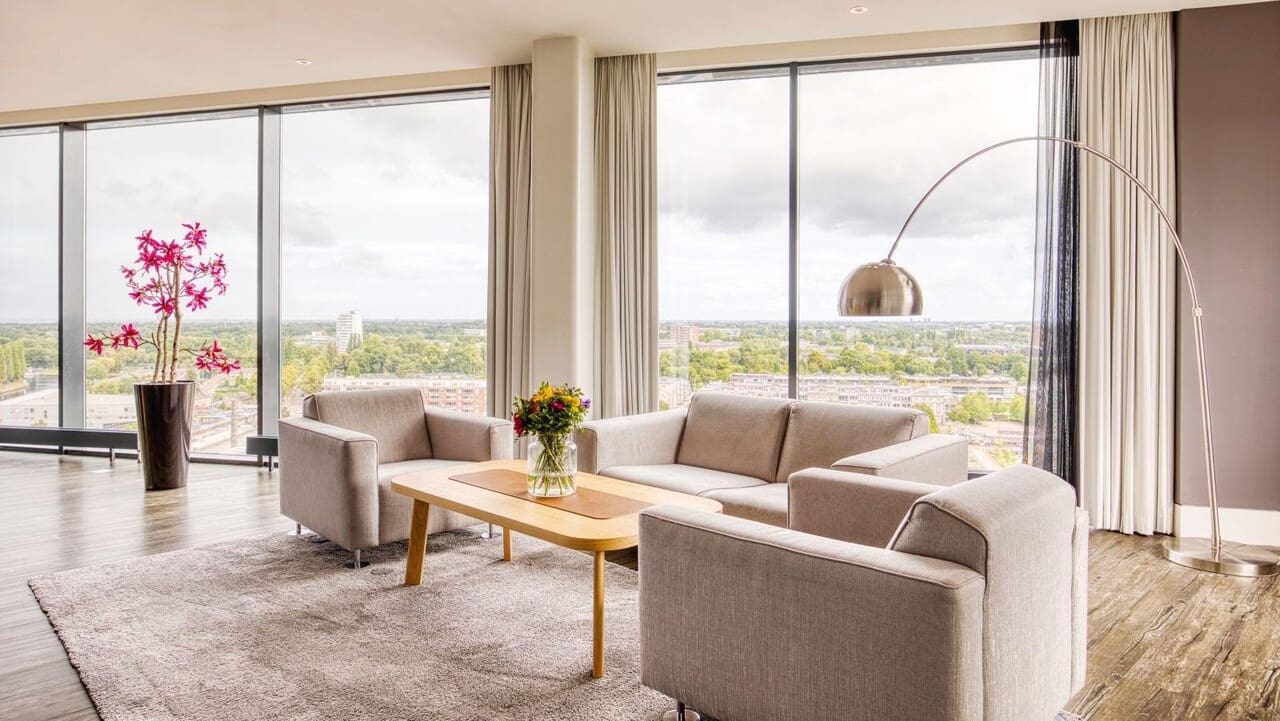
Business Travel Accommodations
Are you looking for a place to stay for business in Amersfoort?

Education
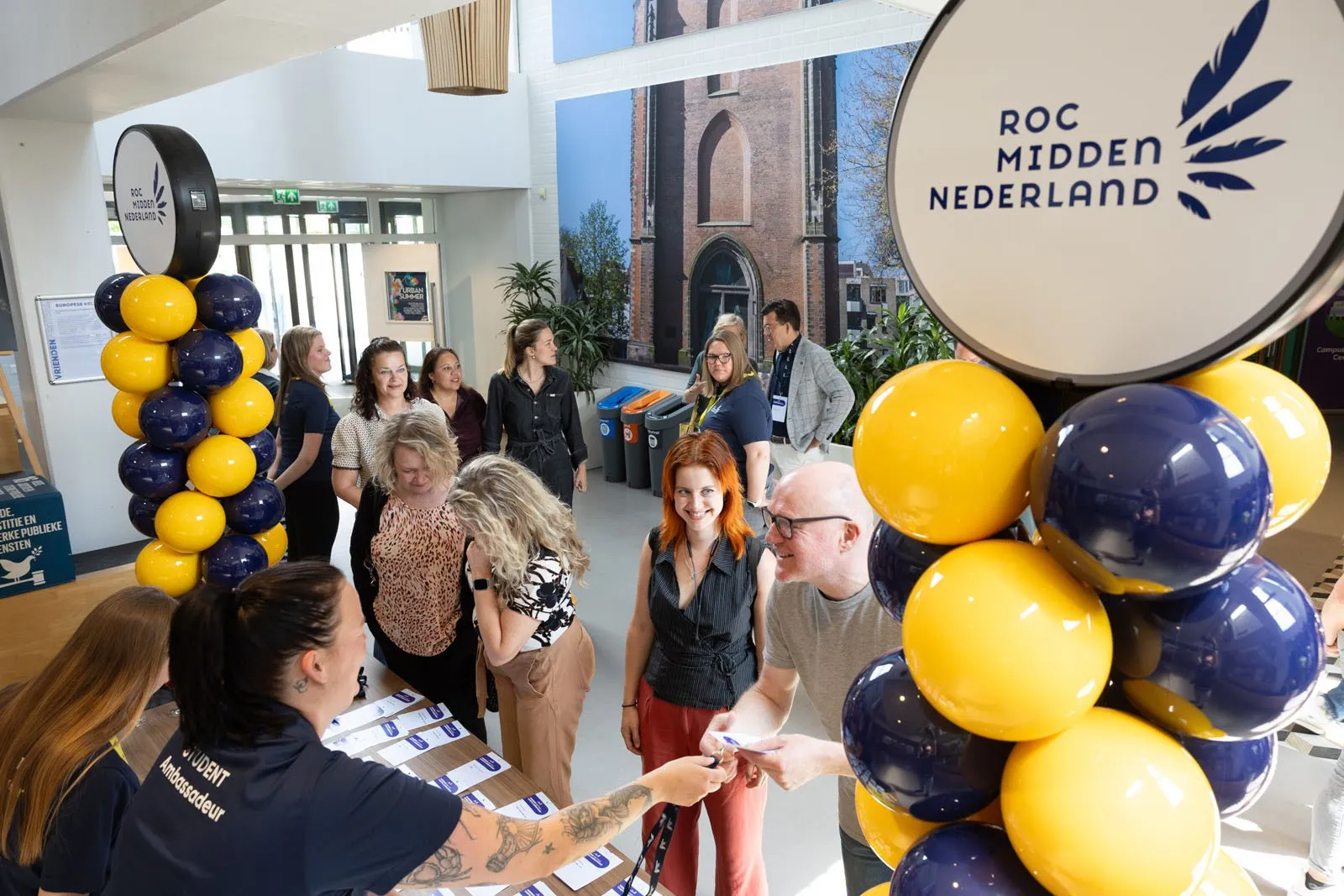
Young talent needs room to grow
How can we give young talent the opportunity today to make a difference tomorrow?
Entrepreneurship
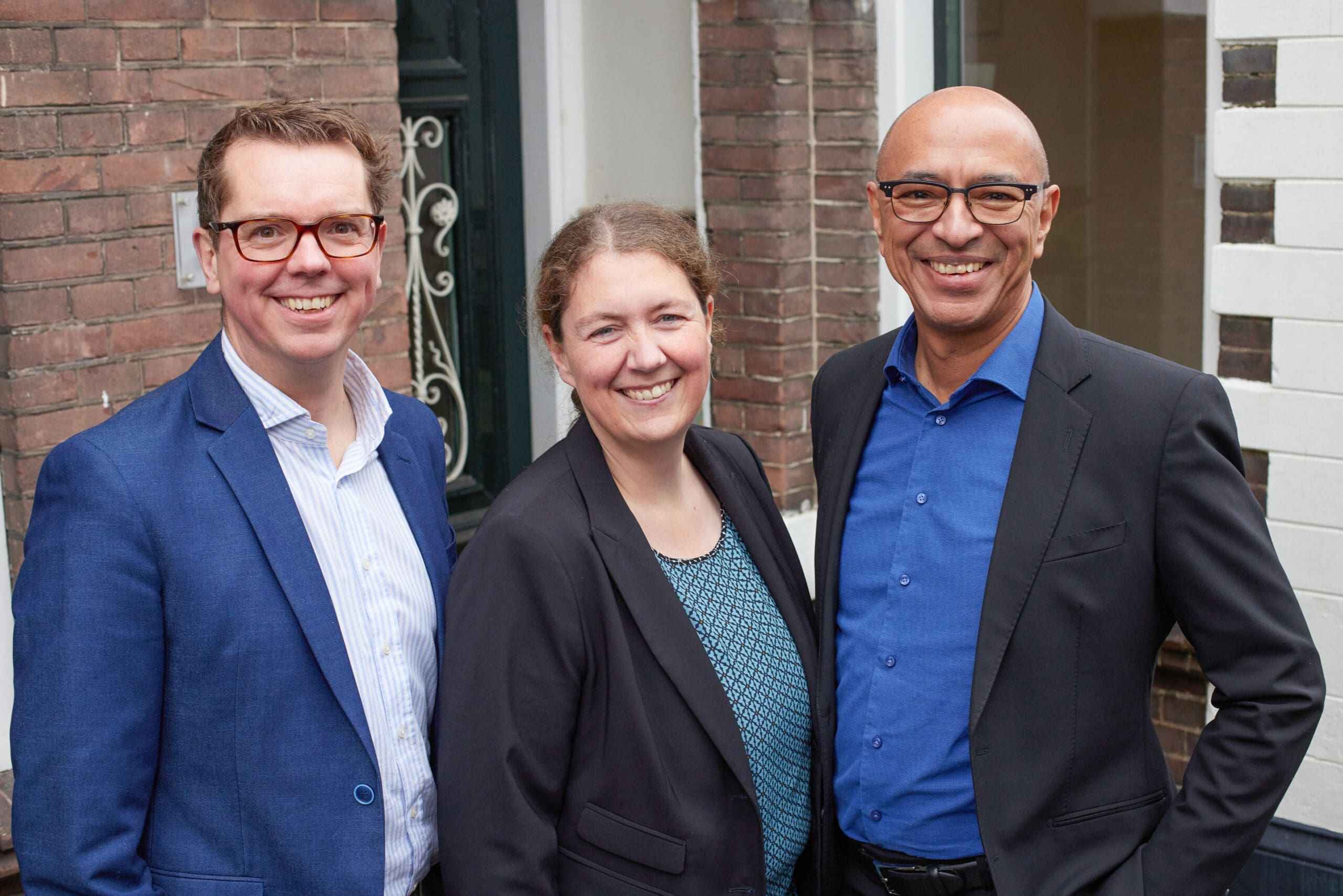
HydroLogic: Smart Water Management
“HydroLogic is doing everything it can to prevent ‘Amersfoort by the Sea.’”
Education
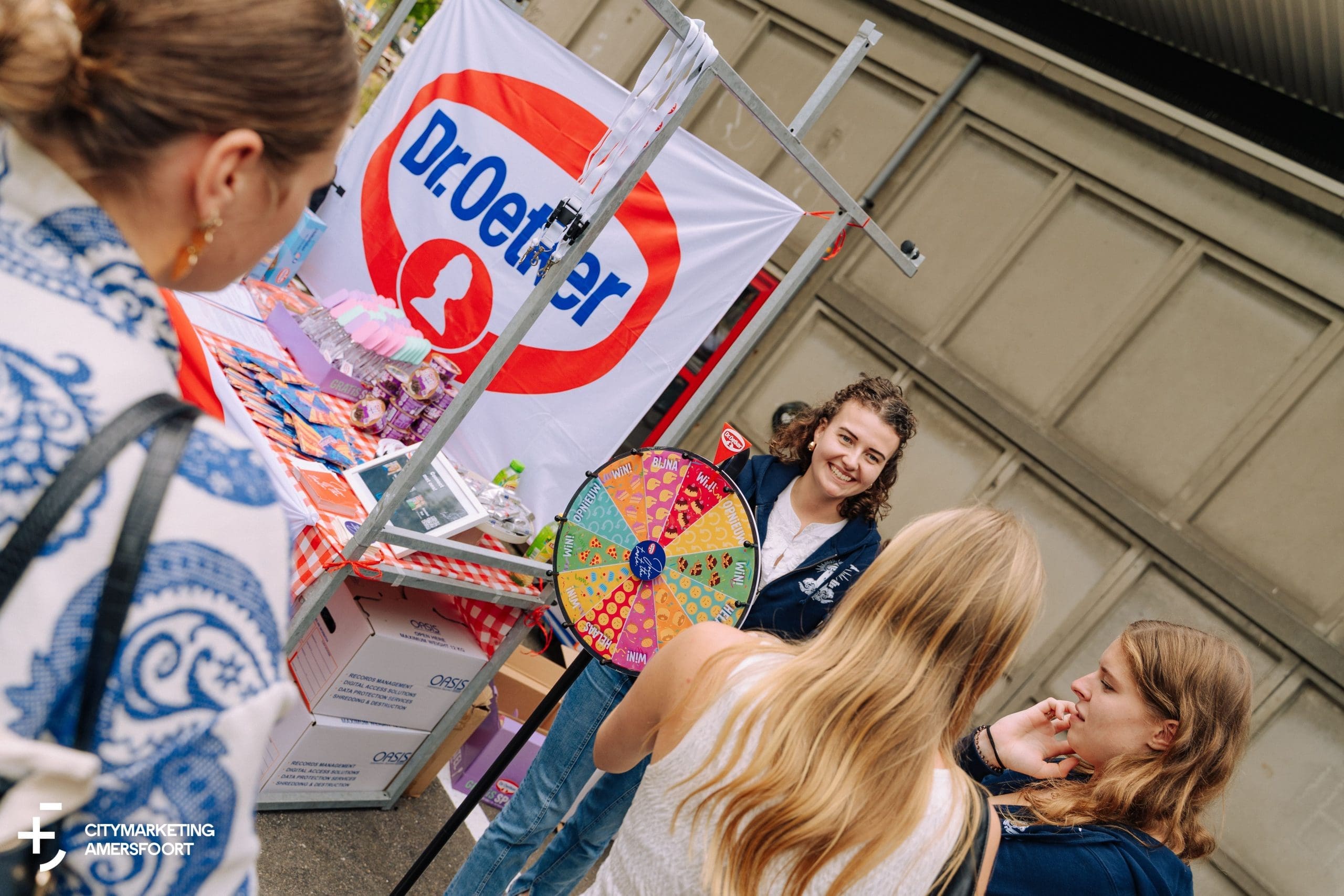
Amersfoort Welcomes New Students and Builds Connections with the Business Community
During KEI-Start Amersfoort, new students explore Amersfoort, meet local businesses, and lay the foundation for their connection to the city.