
Key Role
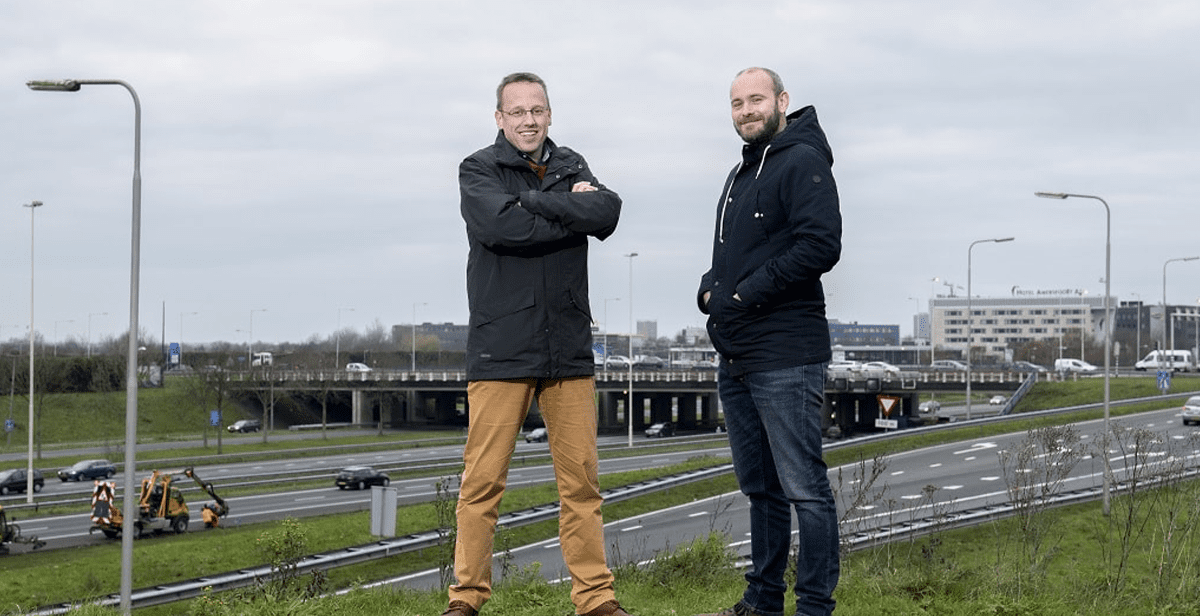
In the middle of a sentence, Felix Faassen pauses to point outside, toward the “boulevard” that runs around Vathorst. “As it happens, there’s a delivery truck going by that we’re tracking.” Less than half a minute later: “And do you see that big truck over there? We’re tracking that one, too. It’s on its way to a mail sorting center.”
Welcome to the world of Simacan. A world full of data, predictions, and practical applications for road traffic. Don’t even mention water or rail. Simacan’s founders stick to their core business. They do what they do exceptionally well—that’s their focus. The road is their domain. They have that data completely under control. The two worked together at TomTom at the start of the new millennium. There, they had the opportunity to apply big data to consumer products. Even back then. It was pioneering work. Together with their colleagues, the two were at the forefront of developing the connected TomTom version with real-time traffic information.
It was a wonderful, educational time. But all the while, the desire to independently develop valuable products and services was simmering beneath the surface. After stints at other companies and a period of planning, the moment finally arrived on the first day of 2013. Their company, Simacan, was officially launched.
Their mission: to combine real-time traffic data from private and public sources and make it available, usable, applicable, and shareable—all in a cost-effective manner. Schuurbiers: “We thought: if we can pull this off, we can enable road transport companies to work easily with that data. The Simacan data platform was designed to ensure that companies always have access to the right data, even if they use a different software system. From roadwork to traffic jams and vehicle locations: our challenge was to convey that information accurately. We successfully rose to that challenge. But little did we know that we’d eventually turn it into end-user applications as well…”
Five years later, Simacan is making a lot of companies—and people—happy with road data. Faassen: “We sometimes joke: there are so many Dutch people who come into contact with our technology without even knowing it—we should make a commercial.” Concrete examples? Take all the ANWB traffic information on radio and television—it comes from Simacan. Or the text messages Albert Heijn sends to its customers with the exact delivery time. Simacan handles the calculations for these, knowing exactly where the delivery trucks are located. Simacan also supports the restocking of Albert Heijn stores, as well as the transport of packages from PostNL to mail sorting centers.
Schuurbiers: “And during this conversation, it suddenly occurs to me that almost all St. Nicholas gifts and
Christmas dinners went through our platform. Our data-driven software offers carriers and shippers operational insights. From the moment they depart, we track them, and thanks to our traffic information, loads or equipment can be reallocated. They can adjust the ‘execution’ or learn from it. The logistics sector is growing tremendously; you’re seeing increasingly large operations, sometimes with as many as five hundred trucks on the road at once. Previously, an entire department had to be involved to coordinate that effectively over the phone. Thanks to our Control Tower, which integrates our software, much of this is handled digitally, so you only need to focus on the things that aren’t going well. Predictability and transparency: that’s what we offer the transportation industry.’
Simacan’s software is increasingly playing a pivotal role among various logistics partners. It brings the right information into the supply chain—including scheduling, environmental zones, and delivery windows (you can’t just drive trucks into the city whenever you want)—as well as existing planning and transport management systems: it all comes together in Simacan’s Transport Cloud, an open and vendor-neutral cloud platform that unlocks countless data sources for digital collaboration between logistics partners.
Silicon Eem Valley
“This is how we’re exploring the boundaries of the smart city,” says Faassen. “If we’re sitting by this window in five years, home delivery will be 100 percent electric and autonomous. Large trucks that can’t yet run on electricity due to their limited range will stop at a facility on the outskirts of the neighborhood to transfer their cargo. The cargo will then be transported into the neighborhood with zero emissions. Right now, it’s still every man for himself; soon, it will be a shared resource. One thing is certain: a lot of data is needed to share transportation efficiently and easily. That’s what we’re working on. We’re a data- and supplier-independent intermediary.”
From their office building in the Vathorst Business Park, they’re right across from what could become the Netherlands’ first smart city. That makes Amersfoort feel like a natural home base. “We’re always brainstorming the next step. Our services touch on the smart city concept, so we’d like to contribute to that. That makes Amersfoort—and Vathorst in particular—the ideal test site. It’s no coincidence that online grocery store Picnic chose Vathorst as its first pilot location. Many people live and work there, forming a diverse population. There are great companies, a train station nearby, and the ring road is unique. It’s a controlled area where you can measure and test a lot of things.”
“The municipality of Amersfoort wants to actively contribute to the development of a smart city,” Faassen continues. “A smart city also means improving quality of life. We could achieve that here. Logistics simply have a major impact. We think it would be interesting to improve that a little.” Schuurbiers: “In doing so, you have to think from the residents’ perspective, because that’s what it’s all about. They need to feel supported by modern technology.” To stick with home delivery: data, the Internet of Things, and ICT can ensure that people have control over when their order is delivered, or are informed that a different time would be better for the neighborhood. Deliveries would then be made using quiet, fuel-efficient, autonomous vehicles. You could also think of pickup points; then you’d pick up your order whenever it suits you.”
The Amersfoort region has the potential to become “Silicon Eemvalley,” says Faassen. “There are many IT companies here. And many companies in the field of geoinformation. If you combine those two worlds, there are endless possibilities.” Amersfoort is the ideal home for Simacan in more ways than one. “It’s just very practical. This is the center of the country. From Amersfoort, everything is equally close and equally far away. And we’re right next to the A1. All we have to tell visitors is: take the exit at Loods 5 and IKEA, and everyone knows where we are. Many of our employees have moved to Amersfoort. That also says something about the quality of life here.”
As a true Rotterdam native, Schuurbiers has been living in Amersfoort with his family for ten years now. He doesn’t want to leave. “We’re absolutely loving it here. The quality of amenities is high; we have everything we need here.”
Piece of the Puzzle
Simacan has come a long way in five years. “Sometimes we really have to pinch ourselves. That might sound a bit corny, but we’ve worked at serious companies—we know how complex things can be. Over the next three years, at the initiative of the national government, we’ll be working in a consortium with Siemens and Ericsson to send data to cars via the cloud, with the goal of improving traffic flow and increasing road safety. That’s incredible! We’ve created a test app that digitally processes all the information on the variable-message signs you drive under and even displays it to you. In real time! Five years ago, we couldn’t have imagined this even with the wildest imagination.’
Schuurbiers and Faassen are already looking even further ahead, toward the arrival of self-driving cars. “Sensors can see sixty meters ahead, but not fifty kilometers. You need data for that. Hopefully, we can be a piece of the puzzle in the future.”

More Entrepreneur Stories

Uncategorized
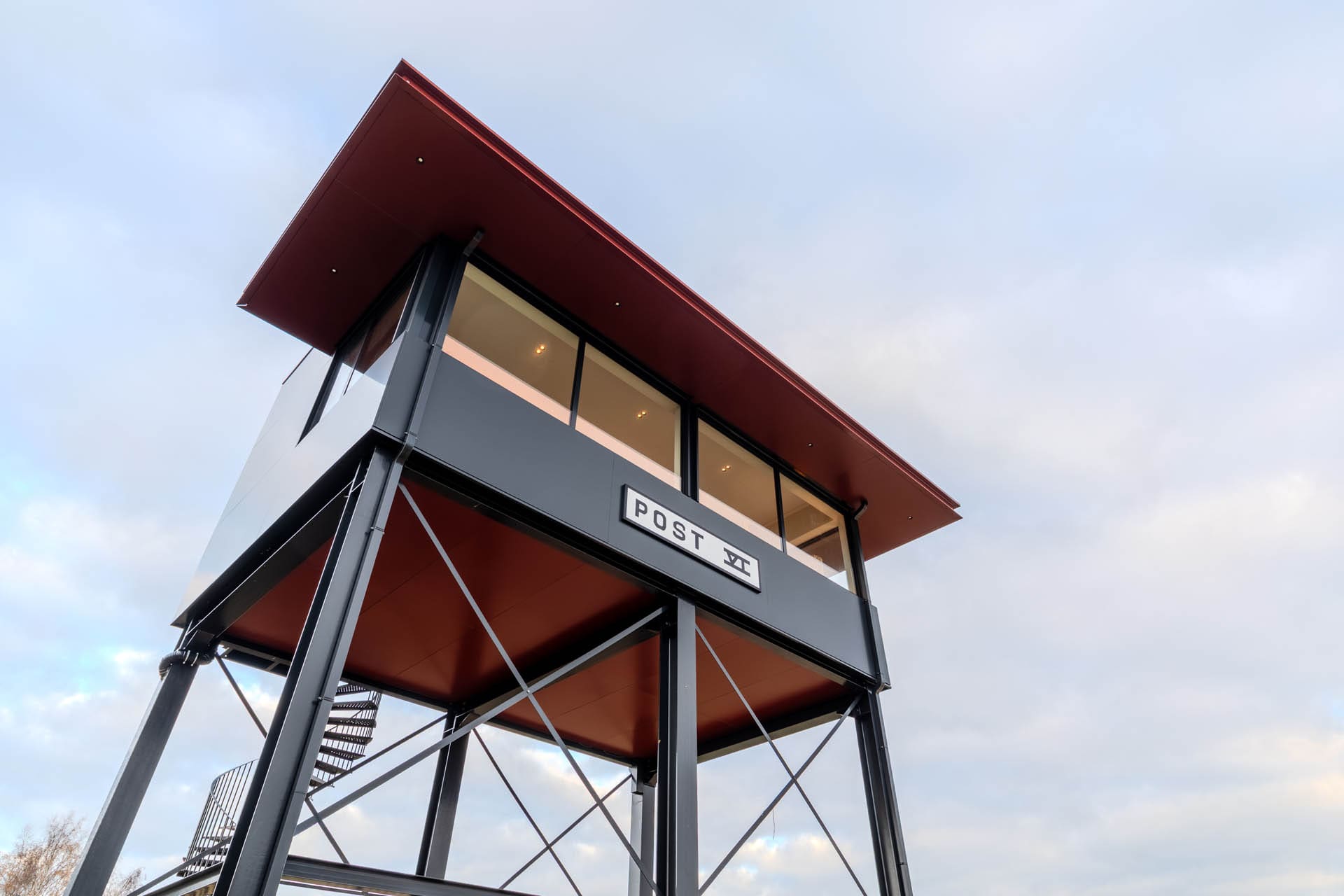
Business Travel Accommodations
Are you looking for a place to stay for business in Amersfoort?

Education
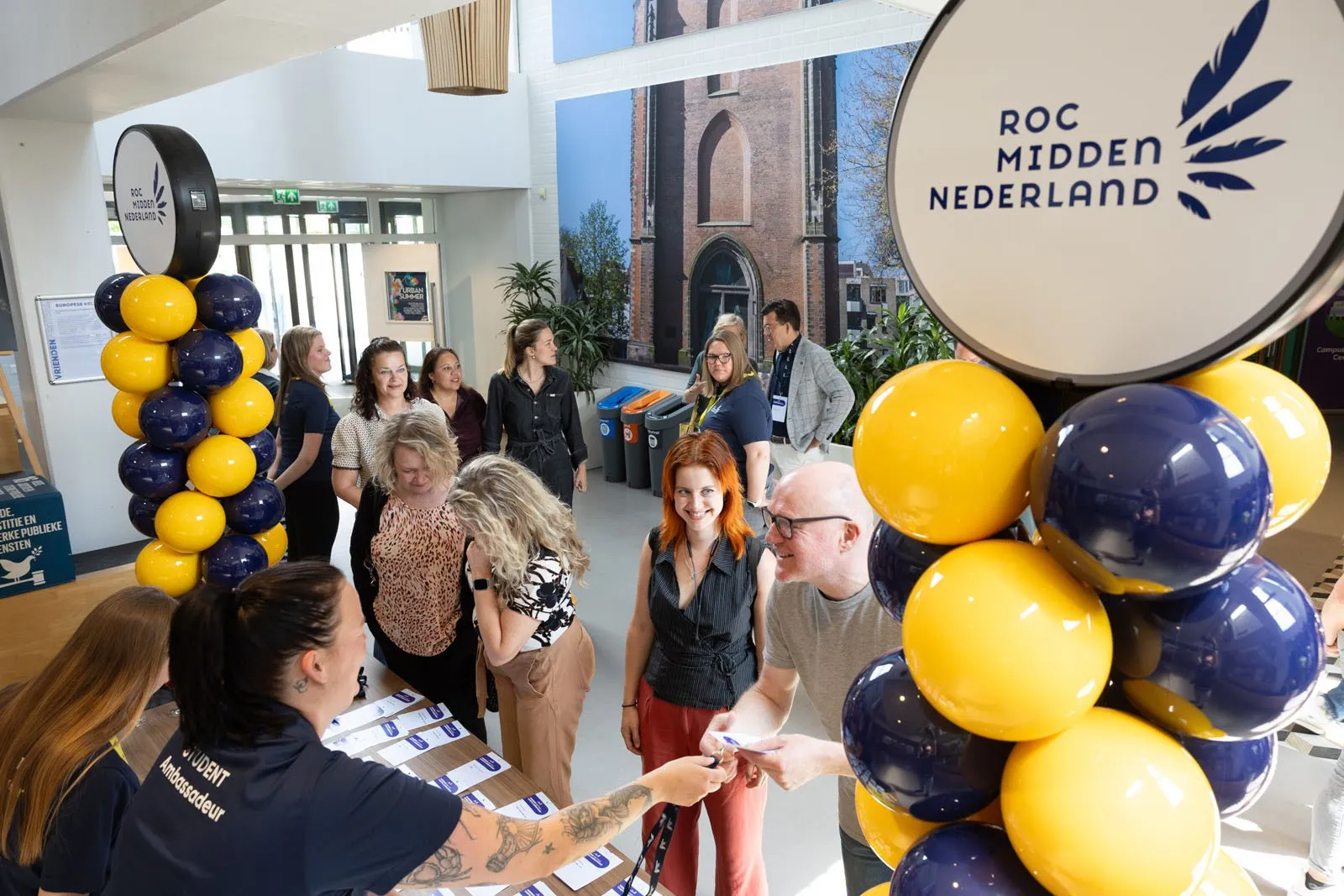
Young talent needs room to grow
How can we give young talent the opportunity today to make a difference tomorrow?
Entrepreneurship
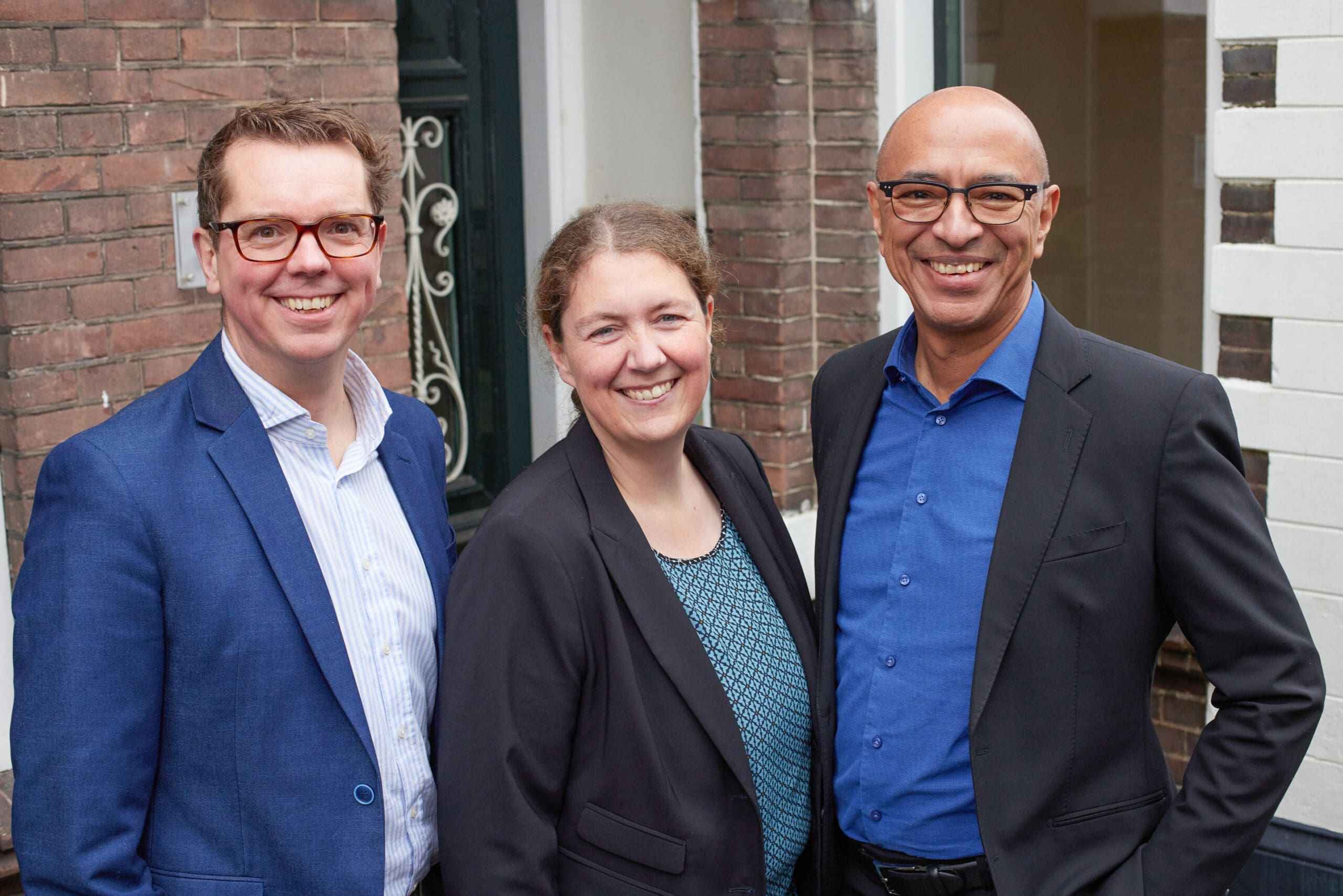
HydroLogic: Smart Water Management
“HydroLogic is doing everything it can to prevent ‘Amersfoort by the Sea.’”
Education
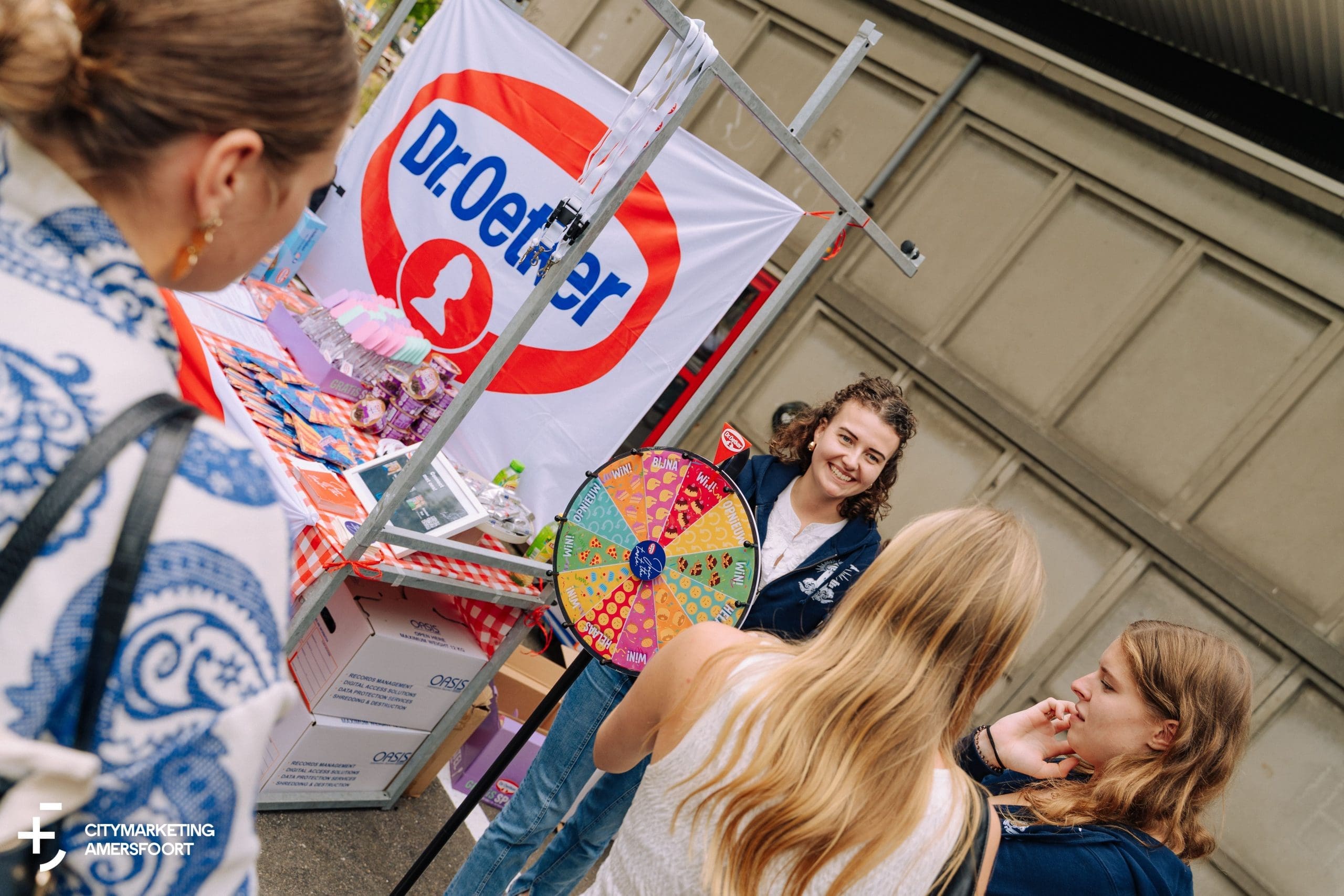
Amersfoort Welcomes New Students and Builds Connections with the Business Community
During KEI-Start Amersfoort, new students explore Amersfoort, meet local businesses, and lay the foundation for their connection to the city.